It’s hard to belive that winter camp is already over. Everything was so cool and fun. But for now let’s talk about the last week.
We took part in an Intellectual competitions. Our team answerd many questions and learned new things.
We also played many board games, summarized the epic poems with Nune Movsisyan. We’ve also been in theatrical performance. And had a meeting with psychologist Susanna Chalikyan as well.
All i can say is that this was an amazing experience. I met new people got close to many learned new stuff overall i had an amazing time.
I can’t belive that winter camp’s second week is already over. This week was so full with different activities, such as board games, sports, meetings and discussions.
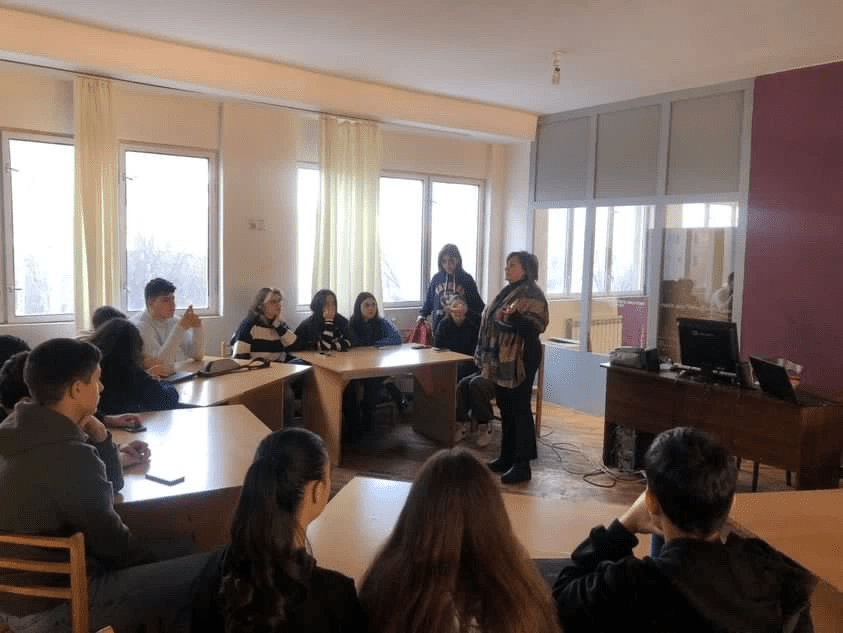
During this week we had meetings with Nune Movsisyan, Nune Aydinyan, Hasmik Ghazaryan and Ashot Tigranyan. With Nune Movsisyan me discussed our researches about the epic poems. With Hasmik Ghazaryan we read a short story, which was called «Պարացելսի վարդը» and examined it. Then with Mr Tigranyan we did a test and had an interesting conversation. And in the end with Nune Aydinyan we payed “Politea”.
This week we had a military training. That was so interesting because we got to know some things about the army. And we had a physical exercise class as well, and as lask week it went so well.
We went to ice skating. , that was so fun with the group, we truly enjoyed our time.
this is our lovely vlog.
We also took part in an Intellectual competitions. Well we didn’t win but at least we answerd many questions and learned new things.
Can’t forget to talk about the most interesting thing that our group did this week, so we stayed at school for 24 hours. it was so cool and honestly one of my favorite days ever. ( you can read more about my 24 in school here)
Our lovely group stayed at school for 24 hours and this was my experience.
After discussing with our teacher and agreeing on doing this project i was very excited and i always wanted to do something like this.
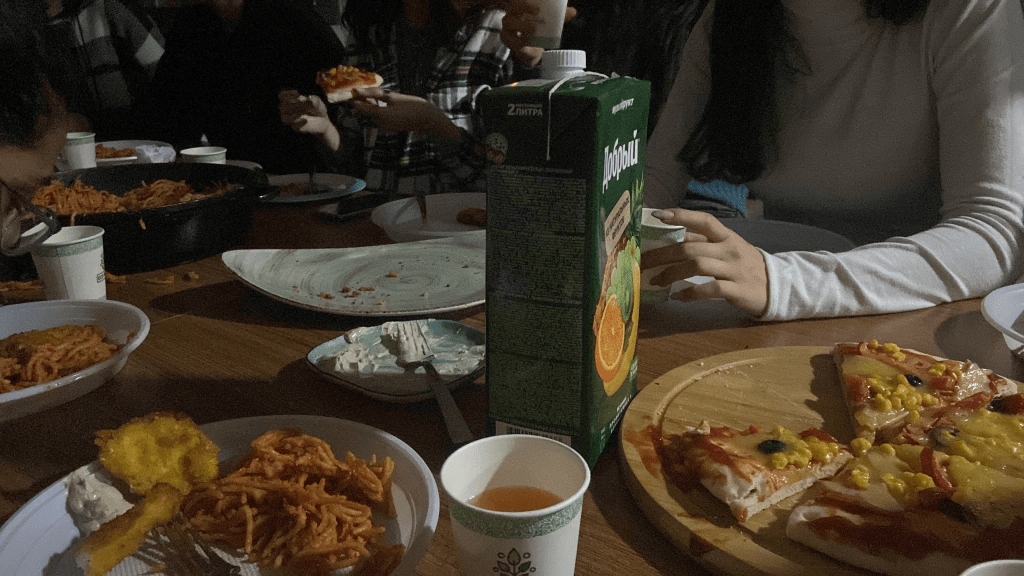
So after classes we went to get ingredient because our “day” started out by making food for our show delicious mess. We were divided by groups and everyone was making something different. My group was in charge of making the chicken nuggets which turned out amazing. While making food we were listen to music dancing having fun
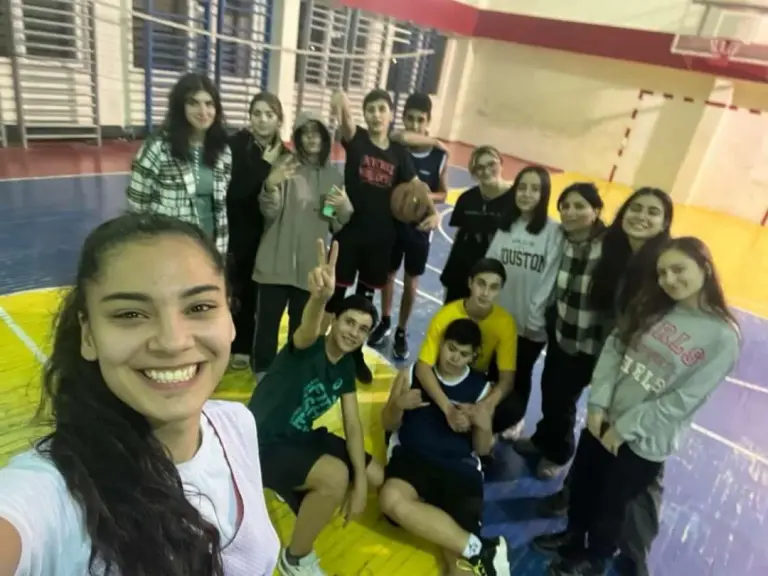
After eating we cleaned up after ourselves and we changed clothes to play basketball/volleyball and i guess our favorite game flag.
We played for several hours then Ms. Irina stopped us so we can go watch the movie that we planed to watch beforehand. We got our snacks ready and we proceeded to watch the horror movie the nun although for me i was laughing.Me Ani and Serli sang in marmarya which was so fun and i loved how while we sang it echoed.
Around 2 am we played hide and seek. It was so fun, but we didn’t have a lot of places to hide so we didn’t play much, so we also ended up going to the room. We started playing some truth or dare but it got boring so we all just were on our phones. We all stayed up late, and we were laughing till 5 am we just fell asleep later. woke up at 8:00am then went to eat breakfast. After we ate breakfast, we were all waiting for our rides to pick us up and leave. I had a really great time I would actually want to do it again soon with the same people.This was actually one of the best days of my life. Thank you too Ms. Irina for actually making this possible
The first week of winter camp is already over. As we know, after Christmas holidays, it’s hard to get back to everyday classes. But our school has found a way. In January we have a camp, and during those three weeks we spend a great time by doing projects, group activities, having meetings, discussions and trips as well. Also during the camp, we not only make new friends, but also get closer to the people we already know. I was very excited this year for the winter camp for some reason.
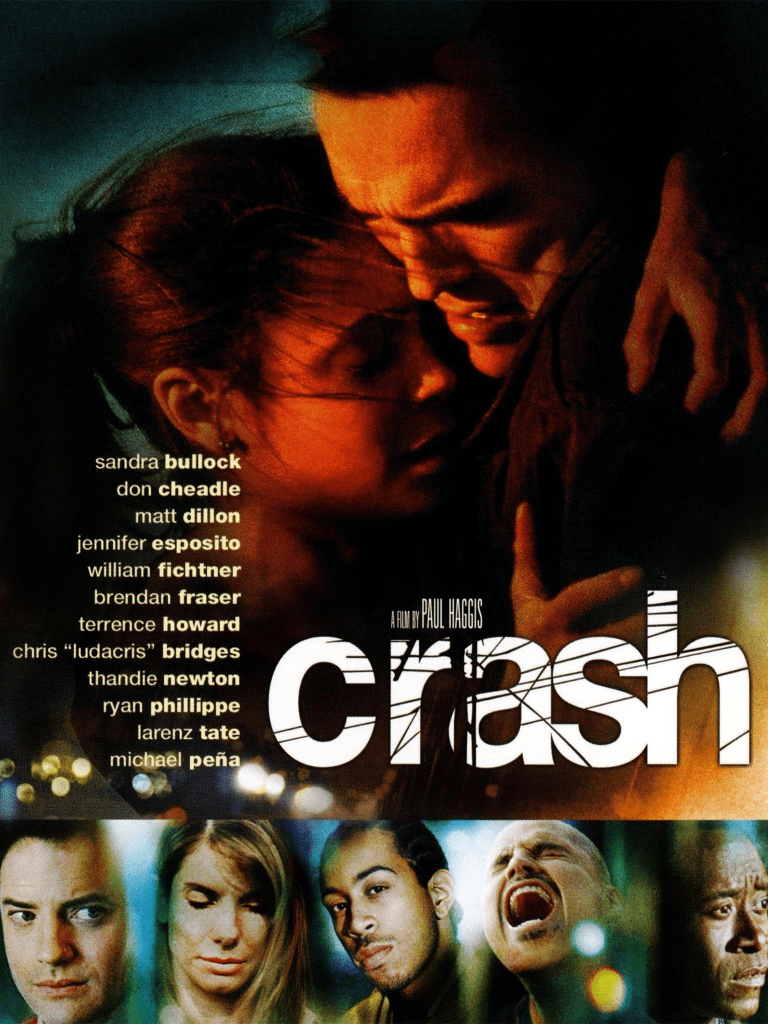
The first week we met up with teacher Ms. Nune and we translated epics with her. I personally chose an Arabic epic called Antar and i worked with Julia and Ani. We worked with Ms. Elena, and we translated and read the story «Անթառամները». We also worked with Ms. Hasmik, and we had a discussion about the movie called the crash.
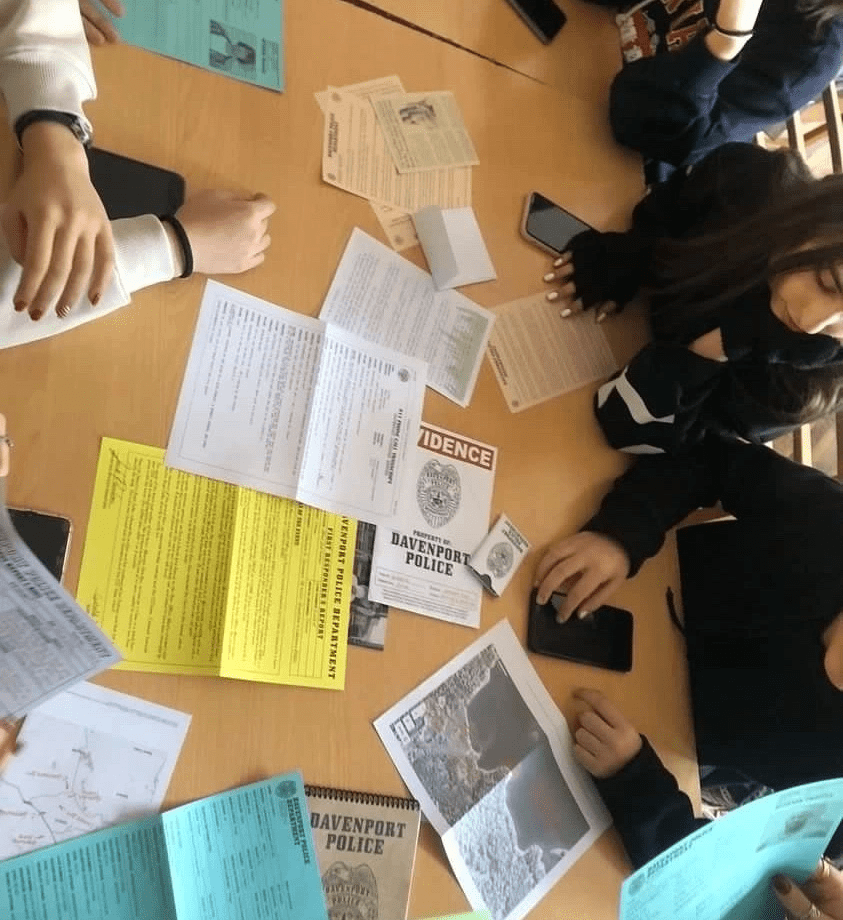
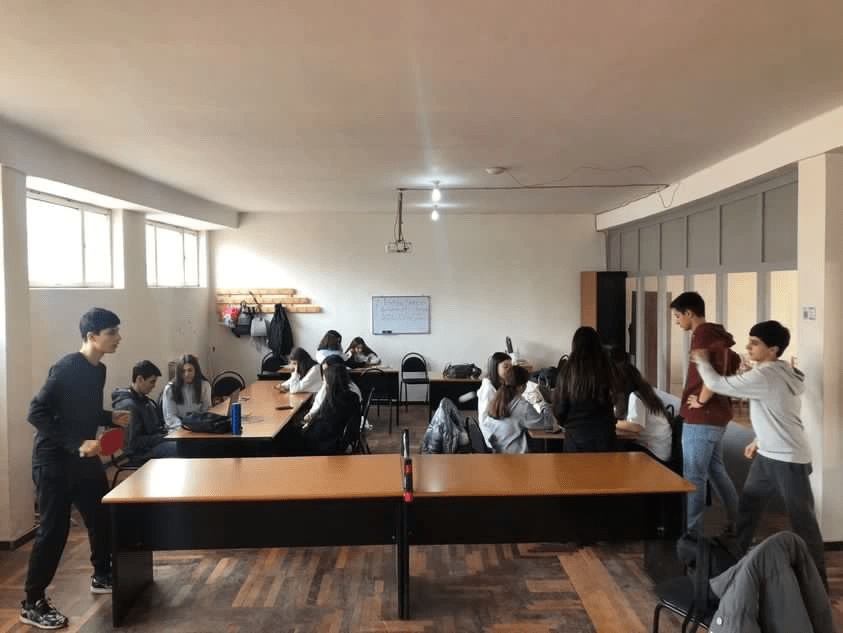
We played a lot of games my personal favorite was the unsolved murder case file of Zoey and Avery the twin girls it was very interesting. We mostly played Mafia and many other games but a memorable thing was when we played ping pong in class.
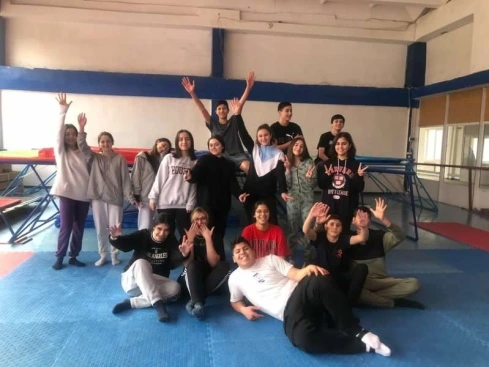
We did gymnastics and after warmups we played flag that was fun. We were laughing so much while warming up.
i know that next week is going to be more interesting a fun wee is waiting for us!!
«Անթառամները» ստեղծագործություն է մի գերդաստանի պատմության մասին, որը սակայն ներկայացնում է մի ամբողջ երկրի վիճակ։ Մարդիկ ապրում են ցավի, ուրախության, տանջանքի և կորստի մեջ։ Նրանց աչքերը և՛ տեսնում են հարսանիք, և՛ պատերազմ, և՛ զինադադար, և՛ առօրյա բնակչի կյանք՝ որոնց սիրելի զբաղմունքն էր գորգ գործելը։ Պատմվածքը շատ ցավոտ է և հուզմունք առաջացնող, հատկապես այն պահին, երբ խոսվում է տանջանքների մասին, օրինակ թե ինչպես թշնամի երկրի բնակիչները գորգագործությամբ տարված աղջկան դարձրին կռնատ և նրանից խլեցին ամեն ինչ…
There was a man who used to beat his wife but unfortunately, she succumbed to his beating though he had not intended to kill her. But when she was dead, he became fearful of her relatives. In a state of anxiety, he came out of his house and met an acquaintance to whom he posed his problem. The friend told him to invite a young man to his house and behead him and put the severed head next to the wife’s corpse. Then he would tell the wife’s relatives that he had found them together in bed and was unable to control his ire. And slew them both.
The man liked the idea and sat at the doorway in anticipation of a young man. After some time a handsome youth passed by his house. He invited him inside and beheaded him.
Then he summoned the wife’s relatives and told them the fictitious story. They were satisfied but the person who had devised this plan had a teenage son who did not reach home that day. The man was worried and when the son failed to turn up he came to the house of the one whom he had offered evil advice and asked him if he carried out the plan suggested by him.
Yes… said he and took him near the dead bodies. He was shocked when he saw that the youth, he had killed was his own son. His evil advice caused the death of his own son.
The moral of this story is that one who digs a pit for others falls into it himself. History is replete with such incidents. According to HOLY BOOKS, the following saying was common. One who digs a hole for his brother gets into its A similar proverb is there. Do not do evil to anyone the sane evil will turn towards you.
Translation: Չարություն մի արա ոչ ոքի.
Մի մարդ կար, որը ծեծում էր իր կնոջը, բայց, դժբախտաբար, նա ենթարկվեց նրա ծեծին, թեև նա մտադիր չէր սպանել նրան։ Բայց երբ նա մահացավ, վախեցավ նրա հարազատներից ։ Անհանգստության վիճակում նա դուրս եկավ տնից և հանդիպեց մի ծանոթի, ում առաջ քաշեց իր խնդիրը:Նրա ծանոթը ասաց, որ մի երիտասարդի հրավիրի իր տուն, գլխատի նրան և կտրված գլուխը դնի կնոջ դիակի կողքին: Հետո կնոջ բարեկամներին ասի, որ անկողնում գտել է նրանց և չի կարողաց ել զսպել իրան։
Այդ մարդուն դուր է գալիս այդ միտքը և նստում դռան մոտ՝ սպասելով մի երիտասարդի։ Որոշ ժամանակ անց մի գեղեցիկ երիտասարդ անցավ նրա տան կողքով։ Նա ներս հրավիրեց նրան և գլխատեց նրան։
Հետո նա կանչեց կնոջ հարազատներին և պատմեց հորինված պատմությունը: Նրանք բավարարված էին, բայց այն մարդը, ով ծրագրել էր այս ծրագիրը, ուներ մի դեռահաս տղա, որը այդ օրը տուն չհասավ։ Այդ մարդը անհանգստացած էր և երբ որդին չհայտնվեց, եկավ նրա տուն, ում նա չար խորհուրդ էր տվել և հարցրեց, թե արդյոք նա իրականացրել է իր առաջարկած ծրագիրը։
Այո… ասաց և տարավ նրան դիակների մոտ: Նա ցնցվեց, երբ տեսավ, որ երիտասարդությունը, որին սպանել էր, իր սեփական որդին է։ Նրա չար խորհուրդները պատճառ դարձան, որ իր որդին մահանա ։
Այս պատմության բարոյականությունն այն է, որ նա, ով ուրիշների համար փոս է փորում, ինքն է ընկնում դրա մեջ։ Պատմությունը լի է նման դեպքերով։ Ըստ ՍՈՒՐԲ ԳՐՔԵՐԻ ՝ հետեւյալ խոսքերը տարածված էին ։ Նա, ով իր եղբոր համար անցք է փորում, մտնում է դրա A նման առակի մեջ։ Չարություն մի արա որեւէ մեկի հանդեպ, որ խելացի չարը կշրջվի դեպի քեզ:
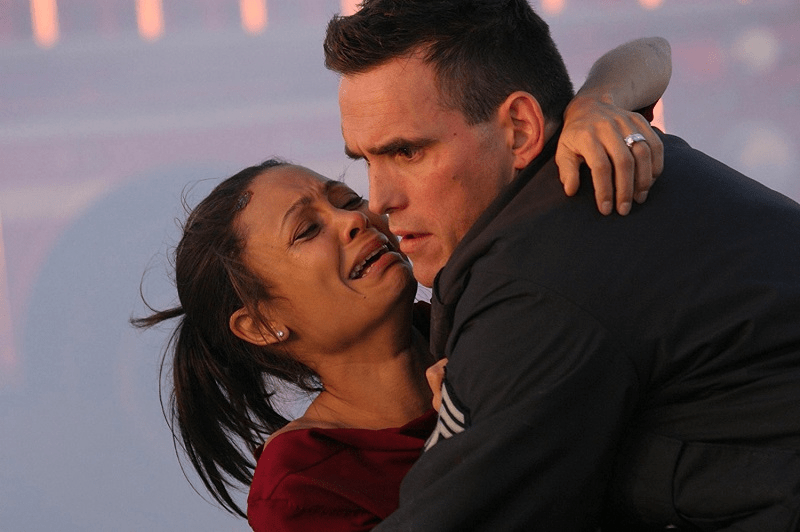
Crash is a movie about racial stereotypes and how individuals let them influence the way they see people. The film has earned positive acclaim from critics and it’s easy to see why. Crash is unafraid to ask the hard questions and show a jarring reality that is often avoided on the silver screen. For this reason, I thoroughly enjoyed the film. Although the film is often greatly dramatized, I believe the filmmakers were successful in their attempt to promote racial awareness. To accomplish this, the film boasts an ensemble cast of white men and women, several African American characters, several Hispanic characters, a Persian family, and several Asian characters. Through their daily lives and perspectives, we see many instances of discrimination from them and against them. i wouldn’t say that this movie is one of my favorites but again its an interesting movie.
The first thing you should know when starting this movie is that you should not make it totally positive or totally negative. Yes, this movie received three Oscars and was included in several lists of the best movies of all times.
However, it was reasonably criticized for reinforcing racial stereotypes and indirectly promoting the idea of white supremacy. Paradoxically, the movie motivating spectators to end racism on a personal level is full of prejudices and underlying motifs of white privilege.
Memorable scenes (includes some spoilers)
People do not trust a Hispanic locksmith Daniel, assuming that he is a member of a gang on no other grounds except the fact that he has many tattoos and a shaved head. A white middle class woman, Jean, is afraid that Daniel will give copies of their keys to the members of his gang. A Persian shop owner, Farhad, does not believe Daniel and refuses to change a shattered door of his shop. Because of that door, Farhad’s shop is robbed.
Daniel’s daughter is afraid of sleeping in her bed when she hears a gunshot in their street. Daniel wants to comfort his child and tells her to use an imaginary cloak making her invisible. Later on, the girl tries to save her father with that ‘invisible cloak’ from angry Farhad who decides to take revenge for his shop.
Tom Hansen is a white policeman who is irritated by the racist remarks of his partner Ryan and asks to switch his partner. However, Hansen kills a black guy, Peter, thinking that Peter draws a gun on him, whereas in fact Peter does not.
Ryan is a white policeman who makes racist remarks and sexually molests a black woman, Christine, when searching her, but later saves Christine’s life by pulling her out of a burning car.
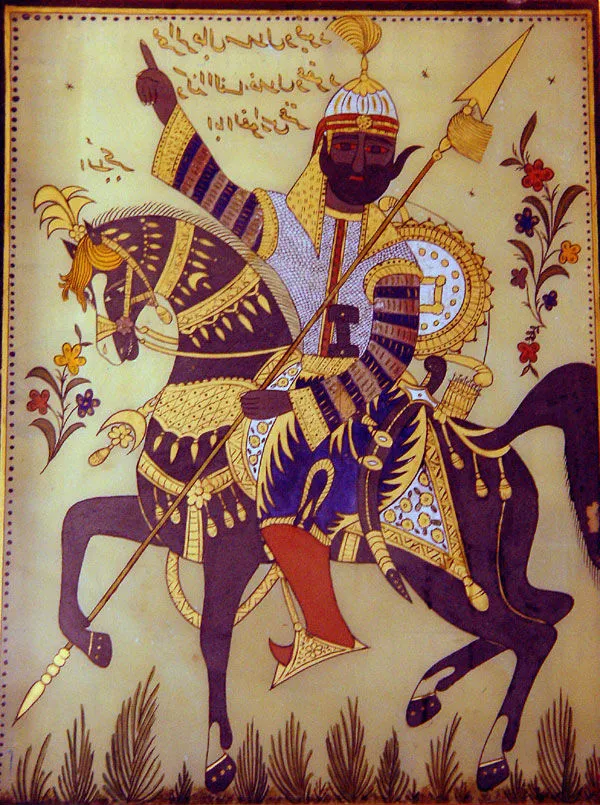
Antarah ibn Shaddad al-Absi (عنترة بن شداد العبسي), also known as ʿAntar, was a pre-Islamic Arab knight and poet, famous for both his poetry and his adventurous life. His chief poem forms part of the Mu’allaqāt, the collection of seven “hanging odes” legendarily said to have been suspended in the Kaaba. The account of his life forms the basis of a long and extravagant romance.
Forbidden Love
The story behind one of the greatest poems in Arab history
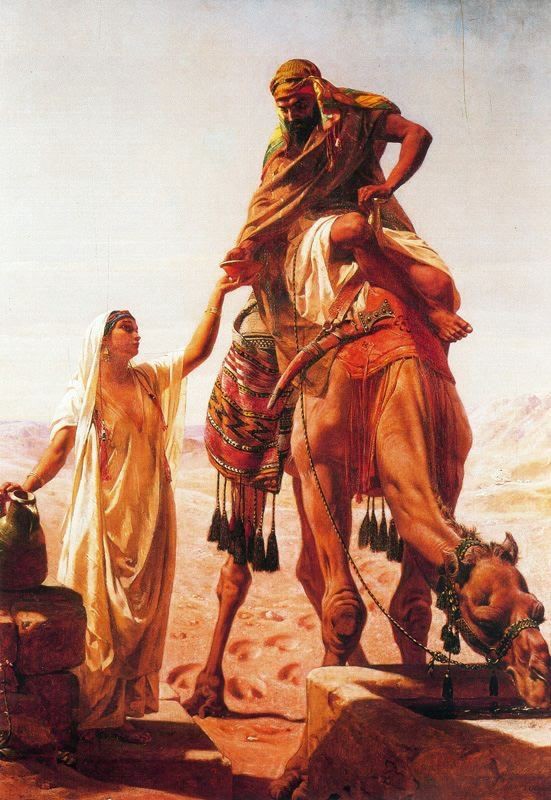
The story of Antarah ibn Shaddad, the Arabian Knight, and Ablah, his cousin and sweetheart, is a timeless love story of the Arab culture. This poem is one of the seven poems called ‘Moalaqa’ in Arabic, which means poems that you will always remember. The seven poems are considered as the greatest poems in Arabic history, and they are well known among the Arab people throughout time.
This poem consists of 79 verses. The 16 verses below are taken from different sections of the poem.
The poem :
Have poets left aught that had not before been told?
Do you now know the house you did not know of old
O Ablah’s “Jiwaa’” home, of beloved ones, do tell
Good morn, Ablah’s home! May you ever fare safe and well
Jiwaa, Ablah has chosen as a place to stay
“Hazn”, “Samman” and “Mutathallim” were our folks’ way
…
Should you, when seeing me, at once put on your veil
Know that I’m good at slaying knights in coats of mail
What you know of my good traits, you should others tell
If I am not wronged, with others I fare quite well.
But if I’m wronged, in punishment I’ll be hard and free
And as bitter as bitter-apple e’er could be
At night I took drink after hot winds came to rest
Drink bought with a coin whose condition was the best
From yellow bottle of many a fluted line
And from a white cloth-stopp’d ewer, I poured my wine
…
I kept what my uncle entrusted to my care
During battles, when tightened lips one’s teeth laid bare.
From bloody fields of death, heroes ne’er back away.
But of death’s horrors they mutter what they must say.
Tween them, and foes spears, they place me in tightest spot.
I cower not, but space to fight I have not got.
The self-urging host had advanced on us in force.
I wheeled at them straight on, and blameless held my course
…
My soul’s canker when knights to me called out
“Curses, Antara ! Advance and put them to the rout!
Steeds, scowling with horror, tear through low, pot-holed ground
Large, small, hirsute, smooth — all are to the battle bound.
Wherever I lead my camels, me they will e’er obey,
My mind e’er leads me to the straight and righteous way
I’m loath to die while the battle is still not on
With “Dhamdham’s” sons whose vengeful ire is too far gone.
Translation to Armenian: Արգելված սեր
Բանաստեղծները թողե՞լ են այն կարծրությունը, որը մինչ այդ չէր ասվել:
Հիմա գիտե՞ք այն տունը, որը չգիտեիք հին
O Աբեղայի «Ջիվա» տունը, սիրելիներից, պատմեք
Բարի մորն, Աբլահի տուն… Թող որ դուք երբեւէ ապահով ու լավ
Ջիվաա, Աբլան ընտրել է որպես մնալու վայր
«Հազըն», «Սամման» և «Մութաթաղիմ» մեր ժողովուրդներն էին
…
Պե՞տք է, ինձ տեսնելիս, միանգամից քո վարագույրը հագնես
Իմացեք, որ ես լավ եմ սպանել ասպետներին վերարկուներով
Այն, ինչ գիտեք իմ լավ գծերի մասին, դուք պետք է ասեք ուրիշներին
Եթե ես չեմ սխալվում, ուրիշների հետ ես լավ եմ վարվում։
Բայց եթե ես սխալվեմ, պատժամիջոցում ես կլինեմ դժվար եւ ազատ
Եվ որքան դառը-խնձոր e’er կարող էր լինել
Գիշերը ես խմեցի այն բանից հետո, երբ տաք քամիները հանգստացան
Խմիչքը գնվել է մետաղադրամով, որի վիճակը լավագույնն էր
Շատերի դեղին շշից ֆլեյտա գծից
և սպիտակ կտորից-դադարից, ես թափեցի իմ գինին
…
Ես պահում էի այն, ինչ քեռիս վստահում էր իմ խնամքին
Մարտերի ժամանակ, երբ շուրթերը ամրացնում էին, մեկի ատամները մերկ էին դնում:
Մահվան արյունոտ դաշտերից հերոս նե’րը ետ:
Բայց մահվան սարսափներից նրանք փնթփնթում են այն, ինչ պետք է ասեն:
Տվեք նրանց, և թշնամիները նիզակներ են դնում ինձ ամենախիստ տեղում:
Ես չեմ վախենում, բայց կռվելու տեղ չունեմ:
Ինքնատիրապետում ունեցող տանտերը մեզ վրա ուժի մեջ էր մտել։
Ես ուղիղ սլանում էի նրանց վրա, և անարատությունս պահում էի
…
Հոգուս կտուցը, երբ ինձ մոտ ասպետները կանչում էին
«Անեծքներ, Անտարա!» Առաջ գնացեք եւ տեղադրեք երթուղու վրա։


 ԱՐԱՔՍ ՔԱԼԻՋՅԱՆ