



Since our debates topic is about Euthanasia let us first understand what it actually is. Euthanasia refers to the practice of intentionally ending a person’s life to relieve suffering, typically due to an incurable illness or severe disability. It can be classified into different forms:
Laws regarding euthanasia vary significantly across countries and states, with some permitting certain forms of assisted dying under strict conditions, while others have strict bans on any form of euthanasia or assisted suicide.
Since we now know what the topic is kind of about. This is my opinion on the subject. I would first of all like to say that It’s a complex and sensitive issue with no easy answers. Now I don’t think that euthanasia is bad or harmful to anyone in some cases i think that it needed, and it does end the suffering of many people. There are many pros and cons to this. Let me start with the pros.
Pros
As i mention before it does end the sufferings of many and although it is a very hard decision a lot of families and individual’s do think it’s a better option then letting their beloved or themselves suffer that much. Some people are tired from their suffers and just want to end it and this is medically the best option for them in my opinion. The principles of autonomy, compassion, and alleviating suffering, presenting euthanasia as a compassionate choice that respects an individual’s autonomy over their end-of-life decisions. However, it’s important to note that these pros are often countered by various ethical, moral, and practical concerns raised by opponents of euthanasia.
Cons
Opponents of euthanasia raise several arguments against its legalization, highlighting various ethical, moral, and practical concerns. Many argue that intentionally ending a person’s life, even in cases of terminal illness or extreme suffering, goes against the sanctity of life and ethical principles. Mistakes in diagnosis or prognosis are possible, leading to the premature ending of a person’s life. There might be situations where individuals who could have potentially lived longer or had alternative treatment options are mistakenly deemed incurable or terminal. There is also the using euthanasia as a murder weapon. It might sound weird and confusing at first but sadly there have been cases where doctors have used their advantages and have killed the vulnerable with euthanasia. It is very sad that these situations happen. These arguments against euthanasia often stem from concerns about preserving the value of life, protecting vulnerable individuals, maintaining ethical standards in medicine, and ensuring that alternative options for end-of-life care are adequately explored and available.
Conclusion
In conclusion, to come up with an answer for this topic is quite difficult even when taking into consideration the pros and the cons. By looking i can see that there are more disadvantages then advantages it is very difficult because Euthanasia can be a good thing if used correctly but can be very unfortunate if it is used with advantages or careless errors. I am very excited for our debate to understand what my classmates think and to understand how we can find a solution for this problem.
Ժամկետը՝ հոկտեմբերի 30-ից նոյեմբերի -16
Նպատակը՝
Ընթացքը՝
Komitas came out of the hotel, raised the coat collar,put his hands in his pockets, and walked fast and lightly . It was the middle of December. The cold was whimpering in the Parisian streets. It was not early in the morning, the sun should have passed a couple of ropes from its day’s rough journey, but it was not there, it had disappeared behind the dark sky of the city, and had melted and lost like a spark torn from a chimney.
The new issue of the “Le Mercure musical” magazine, – the trembling voice of the newsboy was heard on the opposite sidewalk, – the latest issue!
Komitas was interested in the name of the magazine: two weeks ago, when Parisians got together in the Sal Des, Agri-Culture Hall, where the first Armenian concert was going to be held. and he was making the final arrangements on the stage, he suddenly heard.
– It’s amazing. The scientific and musical authorities in Paris have also come. Merely unusual and attractive programs have gathered so many people. I am suspicious that Armenian music will give something, especially… under the direction of a religious man.
The speaker was a young man sitting in the front row, self-confident and jaunty. And at the end of the concert when the room was stunned in admiration the young man flew on the stage.
“Please…, please…, forgive me”, he bowed.
He smiled tiredly and without any malice, and the young man became more confused.
“Holy Father”, he stuttered.
Then he found out that he was a reporter in ”Le Mercure musical” magazine.
“The latest number, the fresh verse”, the sobbing voice of the boy was heard.
Komitas automaticaly slowed down the steps. He had no intention of buying the magazine, but the newsboyran to him, held out the magazine, stammering. –“Mesio… “
-“You’re cold, my little one,” he bought the magazine and interacted with the boy’s sweaty cheek. -Mercy… the new verse… the fresh number… – The newsmagazine ran down the street.
The band looked at him and smiled sadly. “You’re an orphan, little one!” and the magazine walked armed with a newspaper. The magazine had the orchestra’s reaction, the sensational words shouted from the lines:
“Armenian music . . . News… discovery…” -Again, is the same arrogant and offensive celebration; he invents a new people who confuse their birthday from ancient times and discover the song and music that the people breathe and breathe like air.
“A music that leads us far and makes us live the lives of a forgotten people …” the editor called and owed on his shoulders. -Ten or twelve years ago, wasn’t the world full of journalists like you that Sultan Hamid was red feasting on the massacres of the people who invented you today? And now the same goes on. Now… (That was half of December 1906). Now the turn to say meaningless words is your turn, closed the magazine with a heartfelt shutdown, squeezed into the catch, and accelerated the steps.”Every people, like every man, must live their day and life, their journey must be broken with their own feet. Who has walked someone else’s feet for so long? Who has shaved another’s hump?
It was the middle of December. Cold day. the Parisians knocked on the door and the window against the day. Passersby were special on the cold sidewalks with their eyes blindfolded. Whether the ice has anything to do with the sky, the cold, the buildings, the doors and the windows, and the reluctant flocks that were reluctantly separated from the lips of the chimneys.
Around the street, the Eucharist noticed a wallet. It was old-fashioned, poor, ten frank.
“Poor guy has lost it,” he thought sadly, and looked around, “I have lost a cold day’s living, coronation, will be, he will come back. “Now he will come,” he persuaded himself, looking at the clock. In the 12th, there was less than a quarter, and on the 12th, Pearl was invited to dinner. “I’ll wait a little,” he decided, calmly walking around the street and back, And he was convinced that he would come, the man who had lost the fire on that sweet winter day, and that he would know him immediately.
“It’s a sad thing not to have a living of the day,” Komitas thought, “it’s against the birth of man, it’s against nature. And it is not for bread and bread, for the clothing and the blue, that men come into the world, they are given from above with their birth, given like air and fur. And if they don’t, then great crime has been committed. Poisonous swords have been opened against nature.”
A chariot came out of the street, decorated with golden poppies, and the street was filled with a warm breath of horses. The proud breath of the horses had become a deer by the rumbles, the chariot blew his hands, And the Committee wanted to stop the chariot to keep the wallet in front of the passerby’s eyes and say, How, isn’t it yours? Nothing, take it, there’s ten franks in your wallet, you’ll buy charcoal, you’ll buy coal
And that desire, born one, breathed a memory, a sad ten-year memory. In 1896, another winter, was the first winter to study at Berlin’s highest music studio. And he came out to ask an acquaintance for debt, but selfishness didn’t allow him to knock on the door to ask for money for bread, and he hungrily measured the streets of Berlin. Suddenly he saw half a mark at his feet, took it, and cheered, what to do, you can’t go into a tavern with half a mark, not to the store.
“I bought a half-market lottery ticket and the next day I won a hundred marks,” the Eucharist recalled, “for two days I thought only about eating a notebook, But I could have been satisfied (I should have been satisfied) “and instead of living a body on those two days, I would live in the spirit for which I was born, for which they’re all born for. And I”.
Then he remembered other days of hunger and sweetness, more than his school years in Berlin, and considered them all vain and saddened that none of the coming days, and even though he has no sin for those vein days, he has no sin in his ears, the words of Professor Schmidt of the Berlin Conservatory, “You, I’ll forbid you to pay me from now on.” The frozen face warmed with shame.
“But I paid him, nevertheless,” Komitas breathed furiously, “I don’t understand why people have the right to set foot in the mere personal world of others, ” It’s unrighteous to think of Professor Schmidt, he was a kind and humane old man, loved me, and was interested in me.” and looked at the clock, waited more than an hour. “He stumbled,” he said, “as if he weren’t expecting a random and unfamiliar man, but a relative with whom he had an appointment to meet right there, the turn of the street, at that very hour, only you don’t know why he’s late, he doesn’t come. But he’ll definitely come, and he has to wait, he’s obliged.
He will know, come, it’s cold, come early.”
And he took a hundred franks out of his pocket, right, a hundred, hurriedly opened the wallet and enveloped a hundred franks deep in the wallet, under ten franks. Then he smiled, He rubbed his hands, took a deep breath, breathed calmly like an old and heavy debtor, and suddenly realized with his breath, that a hundred marks won by lottery ten years ago deemed it hidden from him. “Why?” he tried to understand, “why owe it?”
“For a hundred people were discouraged in that lottery, “For the magician, he smiled, felt that the real answer was again hidden from him, sleeping deep in the soul, one day he will appear, he will appear unexpectedly, and rejoice.
“They put me in my midst” he thought of the emotions enveloped in my mind, “let them stay, take out a young baby՚.
Then he warmed his hands with his breath, looked back and forth at the length of the sidewalks, and continued to walk, the turn of the street and back, turning back and back.
It’s cold… He’s late՚
Now he didn’t look at the passersby so diligently, he didn’t seek the owner of the wallet, the two-hour journey had created the illusion that he was waiting for an acquaintance, who, if he came and didn’t notice, would come near, welcome, and reach out. He said, “How can someone be this late? I got cold.”
Suddenly he threw away his heart. A thick man came from in front, pressed into an autumn old coat. His eyes were lost, but he didn’t look for anything on the sidewalks.
“It’s not him,” Komitas decided, and instead of regretting, he had a hidden joy and stood, doesn’t he want the owner of the wallet to appear early. Isn’t it? “How no, he should come now and stand up for the lost, and let him go, it’s cold, the Pearl is waiting, dammit…” But there was still a heat waving under his breast, the anxiety was extinguished, the poor man of the moment, who could have been the owner of the wallet, he might have passed, the owner didn’t, and went away. And a heat waved under the breast, the heartbeat was extinguished.
Komitas smiled at his secret feeling.
” I have chickens in my middle. – Someone had opened his eye, threw it away. – I won’t take it out. My warmth, let them stay. The world is cold.”
In the depths of my soul, the feeling was not departing, crushing, turning an indispensable word and word, and erecting barefoot on that cold sidewalk next to it.
That winter day is a million and one person in the world, with an invitation to a million and one meal (millionth and oneth, Komitas himself), A million people have bought concerts and theater tickets, millions and one person work, millions and one think, breaks heads, millions and one person dies, millions and one person is born. On that day and hour of winter, a man in the world, one, only one, waits for a stranger on the winter street to return his loss of ten franks. And he himself would give him the wallet and continue on the way to the house of Margaritha and be invited to dinner millions and one.
And he didn’t agree with the owner of the wallet early.
On that winter day, there were millions and one robbery in the world, millions and one was robbed, millions and one man had lost their wallets, worn and new, full and empty, millions of people had found wallets, pocketed and gone to his thing. In that winter day and hour, a man in the world, one was only dating the owner of the lost wallet. Then let him come early, let him stand accountable for losing his wallet.
And he disagreed with the fact of the owner’s early arrival. Every minute of waiting was proud to drop in his soul, “And there was nobleness in that time, cold and winter, in a foreign land, an hour to cheer a left-handed man, he waited for three hours. And he would still wait. No, he keeps no one’s way, And the prayer is not over yet, the complaint and demands of those who work and thirst, and he shall pray for their good fortune for a long time.
Komitas looked behind a man pressed in an old autumn coat and felt sorry for not being the owner of the wallet, and he felt that he was still in a warm wave under his chest. it’s good that he wasn’t the owner.
Again, he smiled at his stolen feeling and didn’t try to go again.
And it came to pass, that, behold, the street responded to the lid of the tablet and the metal, and a small, low wagon appeared. The wagon dragger was a man, deprived of his spine and neck, there was a piano on the wagon, and two walked by the side of the wagon, In the cold of December, men in clothes and blue, gloves-right piano safety. and that’s from the heavy footprint of the wagon. The wagons from the ice creams of the street were in the post, the piano was shaking, and the keyboard was silver rain.
“I can talk to you alone about the pain of the world, “Komitas whispered to the piano, “with you alone՚ ” he repeated, and the steps took him behind the piano.
“You play like that every day,” he thought of the cargo, “this is your invented series, you have no one else. “And then he recalled:
“So when will I have the piano?”
And he remembered his orchestra, far from his hometown, leaving his orchestra in Ejmiacin , and seemed to him that his desire to have the piano was a betrayal of his orchestra, and the piano left behind.
“My honest, faithful orchestra, my sweet mercury,” he whispered and added, “my friend…”
Then a soft sadness came, wrapped around him, and warmed to him on that cold street, and the sadness that appeared was a shoulder-enveloping coat. “My friend,” he repeated, “and their fingers moved rhythmically in his pocket.
And they quarreled and whispered advice to each other, and then a word came and became a breath. And Komitas came out excitedly to search for someone to bring in, to turn him into an ear to the gospel of his orchestra. Then Komitas approached the orchestra and reopened the edge of the conversation:
My heart is like ruined houses.
And the orchestra understood him and responded:
Oh, lady, household!
Now he came to Paris and recounted the years of his “sweet mercury” conversation about the Armenian world, its obscured mountains, the stubborn and faithful eyes of houses and householders on those mountains, about the yellow flames filled with toner:
And Paris whispered: “Armenian music…New… discovery.”
The truck and the wagon wasn’t visible, the piano’s flower had disappeared on the street, but it still stayed for Komitas, and he remembered again.
“But when will I have the piano? I’m a musician, I’m 37 years old and I don’t have a piano.”
No, it was necessary to piano, and it was not a betrayal of an old and faithful orchestra. He will not strangle him; he will not be taken out of the house. He will stay. He will listen and smile with a yellow smile of strings. He will hear and establish the gospel of himself and the piano. Sometimes he will intervene, help, hard, he and the orchestra understand each other well, they’re old friends.
“And we’ll have a long partner. Until I have the piano, until I have all the conveniences to work, my life will pass.” On a cold day, and the Parisians arrested the door and the window against the day. Passersby were special on the cold sidewalks, and there was not late for Komitas. He spent four hours back and forth, turning back the street, turning back and back…
Four hours…
Both the wallet and the purpose and tax of the traveler. There was only a desire to meet someone who was desperate, let him come, be a master of the prayer that the Holy Father hath done for himself under the fresh dome of the earth, to pray from sunless morning to sunshine.
And he came.
She was a widow with a widow’s jacket, widow’s feet, a woman’s footsteps, a beetle’s head. (It was unexpected, you don’t know why it didn’t occur that the owner of the wallet could have been a woman.)
“In the world, there are many swords against nature,” Komitas again thought, “Nature has made this a woman, the burden of the widow has been lifted upon her shoulders. The woman is killed, the woman is made to become a widow.”
There was a complaint in the eyes of the teenager, and hope hung from her lips like a weeping, and trembled. trembling with his eyes, standing with his eyebrow, in a chlorine, The woman’s wandering gaze met Komitas, then cracked, huddled at her feet, became a thief, and he searched for the lost with a thief’s eyes, and suddenly he felt that the look focused on the tablet wasn’t looking for a wallet now, but he struggles to keep his eyes on him, and he wants to understand it.
“The eyes were black. Sad. And…” The woman tensely kept the Komitas’s face, eyes, and woman striving not to blink her eyes, not to lose the face, eyes, and look of the unknown man.
“Eyes were black, sad, and sad. “It was for me,” he thought, and his lips trembled with excitement, and the hot tremor flowed with his knees. He tried to lift his head again, But a merciful hand that was Komitas eyes shook her hair under her head, and the woman didn’t want to touch, check, find out the compassionate hand that she had been waiting for.
Then the woman looked at the black necklaces of Komitas’s coat, the black trumpets of the pillow, the black feet on which the cold shone like a shoulder, The woman’s steps became no more willing, confused and unwilling, sad, a few more steps, and she will pass by this stranger, and then the cold will crawl under her head instead of that warm hand, and he’ll stay with the winter day and the lost wallet. -Madmuazel… With every mixed step, she had waited for the sound of those eyes (there was a word in her eyes), had waited with her breath, and was shocked with the voice of Komitas— it was the scream of breathless waiting. -Madmuazel, have you lost anything?
The girl’s legs and knees had faded, she became warm, her eyelids were heavy, her eyelids were coming together, and she felt tired, tired, and wanted to sleep.
I wish there would have been a warm corner. She wants to sleep -Yes! I’ve lost my wallet, “she said lowly.
Komitas took his hand into his pocket. -Take it. – He smiled sadly, and why were you late? -The girl reached out weakly, took the wallet, tried to open with her trembling fingers. It was inadvertently motivated, unrelated to the moment. Komitas took her hands onto his palms. -You don’t have to open, he said, adding to himself, “It’s cold.
And then he pocketed his hands, made a slight humble bow. -Tomorrow evening there’s an Armenian orchestra in the Armenian Church. I invite you. Come on.
And he just headed and went. The girl watched him with a lost look, the man walking away in flexible steps, And when Komitas looked back, he smiled, and handled, the girl’s lips trembled.
And in the soul a wave of incomprehensible waves, a wave of sorrow, He opened his eyes inside, threw away a feeling hidden from him, whose distant response only came to place, so much so: Komitas felt like that four-hour wait should have been a little different. A little different way, he was waiting for himself. a widow, but a woman appeared.
He turned around again, looked at it, and the woman was still standing.
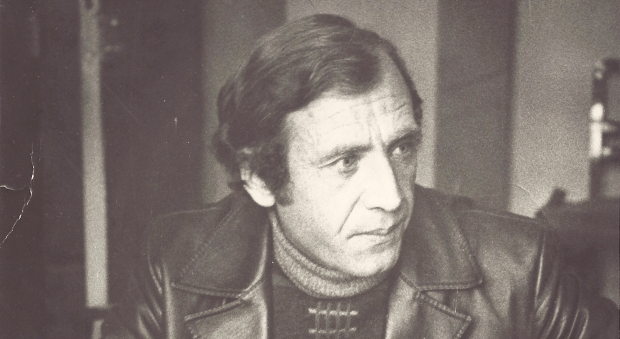
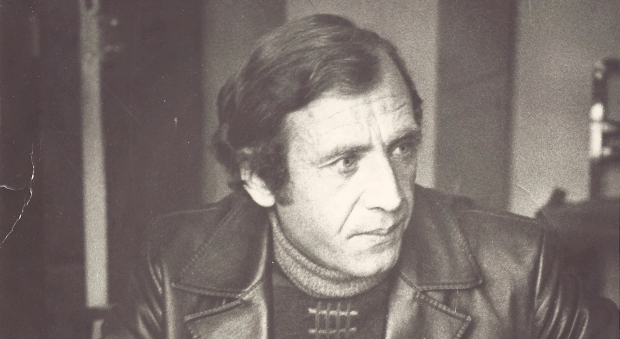
Մուշեղ Գալշոյանը ծնվել է 1933թ. դեկտեմբերի 13-ին, Հայաստանի Թալինի շրջանում, բայց նրա մեջ մինչև կյանքի վերջը շատ ուժեղ մնաց սասունցի լինելու գիտակցությունը։ Նրա ծնողները սասունցի փախստականներ էին, որոնք Արևելյան Հայաստան հասնելով՝ բնակության վայր ընտրեցին Թալինը։ Հայրը կորցրել էր առաջին ընտանիքը կոտորածների ժամանակ։
Սովորել է Երևանի գյուղատնտեսական ինստիտուտում, աշխատել մասնագիտությամբ, ապա դարձել լրագրող։ «Ավանգարդ» թերթում և «Գարուն» ամսագրում աշխատած տարիներին, լրագրական հոդվածներին զուգընթաց, գրեց իր առաջին վիպակը՝ «Ձորի Միրոն», որը նրան բերեց հասուն գրողի համարում։
Գալշոյանը լավ պատմող էր, հետպատերազմյան հայ արձակի լավագույն պատմողներից մեկը։ Սուր դիտողականությամբ, չափի նուրբ զգացումով, նա պատմում էր իր հերոսների մասին, առանց պաթոսի, առանց մանրամասն նկարագրությունների, բայց ստեղծում էր գունեղ, տեսանելի կերպարներ։
Հիշատակված պատմվածքները մտնում են «Մարութա սարի ամպերը» շարքի մեջ, որը Գալշոյանի լավագույն գործը եղավ։ Եվ դրանց մեջ լավագույններից մեկը, թերևս լավագույնը, «Դավոն» պատմվածքն է։
Այս պատմվածքում Գալշոյանի խոսքը ճշգրիտ է, բայց հագեցած ներքին քնարականությամբ, հուզականությամբ։ Պատմվածքին յուրահատուկ գրավչություն է տալիս սասունցիների բարբառը, որ Գալշոյանը հրաշալի գիտեր և վարպետորեն վերստեղծում է այս պատմվածքում։
Մուշեղ Գալշոյանը մահացավ 1980 թվականին, Կաթնաղբյուր գյուղում, հրացանի պատահական կրակոցից, հայրենի դաշտում։
Վավերագրական այս ֆիլմը յուրօրինակ մոտեցում է Մուշեղ Գալշոյան գրող-արձակագրին:Գրողն այս ֆիլմում ներկայանում է հիմնականում իր իսկ գրած ակնարկների միջոցով, ակնարկներ, որոնք մինչև օրս էլ խիստ արդիական են: Դրանք գրողական մտքի մտահգության, հային հայեցի պահպանելու ուրույն գրողական դրսևորումներ են, լի վաղվա օրվա նկատմամբ մեծագույն պատասխանատվությամբ:
Վավերագական ֆիլմի սցենարիստներն են՝ արձակագրի դուստրը՝ Սիրանույշ Գալշոյանն ու Տարոն Ղափլանյանը, ով նաև սույն ֆիլմի ռեժիսորն է:
Read the text and answer the questions choosing the right answer.
Line number
2.The new site for the chocolate factory was chosen because.
a) it was close to several transportation routes.
b) it had clean, countryside air.
c) a lot of people lived nearby.
d) it was in the center of the city.
3.According to the text Bourneville takes its name from
a) a French town.
b) a local river.
c) a local town.
d) a kind of French chocolate.
4.The original houses in Bourneville were
a) built by the factory workers.
b) traditional in appearance.
c) large.
d) free for workers.
5.According to the paragraph 4 the workers at the Cadbury received
a) dancing lessons.
b) free health care.
c) free access to sports facilities.
d) food and drink.
6.The text shows that the Cadbury family were
a) sporty.
b) careless.
c) mean.
d) kind.
7.The word deserve in line 16 may best be replaced by
a) have the right
b) are worthy of
c) have failed to
d) are good enough for
8.Which word can best replace the word affordable as used in line 34?
a) inexpensive
b) costly
c) cheaply
d) reasonably
9.Which word best describes the meaning of the word facilities in line 26?
a) advantages
b) equipment
c) potential
d) solutions
10.According to the text the Cadburry brothers
a) like other British factory owners didn’t like the idea of providing homes and
communities for their workers designed with convenience in mind.
b) were the first and only businessmen who wanted their employee to have good
standards of living.
c) didn’t worry about their workers’ living conditions.
d) were among the first business owners to ensure their workers had good standards of
living.
||.Choose the right option.
He (11)________ of the same pot of money the two succeeding nights and was
therefore sure that he (12)________ the treasure in the place where he had seen it in
his dreams. So, he (13)________ early the third morning, went to the mill alone with
a spade in his hand and began to dig under the corner of the wall. He (14)________
for three hours when at last his spade struck a broad, flat stone, so large that he
(15)________ remove it. He decided that he would go home, would tell his wife
everything and would ask her to help him. So he (16)________ home and told his wife
of his dream and of the treasure that (17)________ them under the stone.
11.a) dreams
b) has been dreaming
c) was dreamed
d) had dreamt
12.a) found
b) had found
c) would find
d) will have found
13.a) would get up
b) got up
c) has got up
d) have got up
14.a) is digging
b) had dug
c) had been digging
d) has dug
15.a) needs
b) wasn’t able
c) ought
d) couldn’t
16.a) would run
b) ran
c) was running
d) has run
17.a) waits for
b) has waited for
c) has been waiting for
d) was waiting for
He remembered what (18)________ the day-before, he fell into the stream on purpose
and (19)________ there until the salt melted . After he (20)________ the
same thing the third time, his master decided to cure the lazy animal of his tricks. He filled the bag
with sponges and (21)________ it on the donkey’s back. When the donkey came to the
stream, he plunged into the water at once, expecting that the bag (22)________ still
lighter. He was, however, greatly disappointed when a few minutes later he found that the bag was
ten times heavier than it (23)________ before.
18.a) had happened
b) happened
c) was happening
d) happens
19.a) has stayed
b) was staying
c) stayed
d) would stay
20.a) had been done
b) was done
c) had done
d) does
21.a) was tied
b) tied
c) had been tied
d) has tied
22.a) became
b) had become
c) would become
d) will become
23.a) had been
b) is being
c) was being
d) were
III. Choose the appropriate option.
24.When population is not checked by artificial means, _ increases, putting more
strain on limited natural resources.
a) it
b) they
c) them
d) its
25.“Who do you think is going to win the game tomorrow?”
I think our team has _______players, so we’ll win.”
a) well
b) better
c) a good
d) a better
26.“What do you intend to buy?” “I am saving all my pocket money ___ to buy a new PlayStation.”
a) away
b) out
c) down
d) up
27.“Let’s write her a letter.”
“ writing to her, she never answers letters.”
a) There isn’t any good
b) It’s no good
c) There is no good in
d) It isn’t good
28.“It took Edward a long time to _ living alone. He had always lived with his
parents.”
a) be used
b) got used to
c) get used to
d) used to
29.“I think in the future there will be too many people in the world and not for
everyone.”
a) food enough
b) enough food
c) so many foods
d) only much food
30.“I’ve been accused of stealing money at work.”
“You _ get a lawyer to help you with that.”
a) had better to
b) would rather to
c) would better
d) had better
31.“It’s a pity to stay at home in _.”
“Oh, yes the weather is fine.”
a) a such weather
b) such a weather
c) so weather
d) such weather
32.“This article is in ____, and I don’t speak French. Can you help me?”
“Sure. I’ll translate it for you.”
a) a French language
b) the French
c) French
d) French language
33.“My brother doesn’t like our Math class.”
“_.”
a) Nor I do
b) So do I
c) Neither do I
d) So I do
34.“Who is your_________writer?”
“Well, I like Agatha Christie’s detective stories.”
a) the most favorite
b) most favorite of
c) favorite
d) more favorite
35.“I am fond of eating snack foods like crisps and sweets.”
“It’s better to eat only of these, because they contain a lot of fat and
sugar which are harmful.”
a) a least
b) little
c) a little
d) less
36.“These are lovely flowers!”
“And they smell , too!” a) so nicely b) nice c) nicely d) in a nice way
37.“Look. __ car is in front of his house. He must be at home.”
“Let’s stop and visit him.”
a) the Jacks
b) Jack
c) Jack’s
d) Jacks
IV. Fill in the blanks with the word form that best fits each space.
Gabriela worked for a multinational company as a (38)________ project manager
in Brazil and was transferred to manage a team in Sweden. She was excited about her new
role but soon (39)________ that managing her new team would be a
(40)________. Despite their friendliness, Gabriela didn’t feel
(41)________ as a leader. Her new staff would question her proposals openly in
meetings, and when she gave them instructions on how to carry out a task, they would often go
about it in their own way without checking with her. When she announced her decisions on the
project, they would continue giving their opinions as if it was still up for discussion.
After weeks of frustration, Gabriela emailed her Swedish manager about the issues she was facing
with her team. Her manager (42)________ asked her if she felt her team was still
performing, and what she thought would help her better collaborate with her team members.
Gabriela found her manager vague and didn’t feel as if he was managing the situation satisfactorily.
38.a) succeeded
b) success
c) successful
d) unsuccessful
39.a) realized
b) realization
c) realizing
d) realize
40.a) challenges
b) challenger
c) challenging
d) challenge
41.a) respected
b) respectful
c) respectless
d) respective
42.a) simplify
b) simply
c) simple
d) simpler
V. Choose the right option.
43.What annoys me most is ____.
a) why does the boss speak with the employees
b) the way the boss speaks with the employees
c) however the boss speaks with the employees
d) in fact the boss speaks with the employees
44.We worked all night on the decorations for the party, _ we couldn’t finish the
job properly.
a) even if
b) as matter
c) however
d) as though
45.Examinations give you a chance to show _______ from the course.
a) if it’s knowledge you have gained
b) whose knowledge have you gained
c) much knowledge you have gained
d) what knowledge you have gained
46.Western Scotland is wild and mountainous, eastern Scotland is lush farmland.
a) whereas
b) in spite of
c) as though
d) despite
47.“This restaurant is very expensive!”
“It is, but order_________ want. Our wedding anniversary is a special occasion.”
a) whatever do you
b) what is it you
c) what do you
d) whatever you
48.John seemed to be in a good mood, _ he refused angrily when I asked him to
join us.
a) because of
b) yet
c) so
d) unless
49. leaves from certain trees, such as the maple and sassafras, turn bright colors.
a) While the fall
b) The fall comes
c) When comes fall
d) During the fall
50.“___ had I gone out into the street when I noticed a well-dressed man standing
by the side of the bookstall.”
a) Hard
b) Hardly
c) No sooner
d) As soon as
VI. Choose the correctly transformed sentences.
IX. Fill in the gaps with the prepositions/adverbs given below (two of them
are odd).
Columbus’ initial journey _ the New World _ the Spanish
ships Santa María, Niña, and La Pinta took around three months. Columbus and his crew’s arrival
_ the American Continent initiated the colonization of the Americas by Spain, followed
in the subsequent centuries _ other countries from the Old World (i.e., Europe.). The
discovery of the New World resulted in the exchange of goods, animals, culture, people, and
technologies __ the American Continent to Europe and vice versa. This transfer is an
event referred to by some late 20th‐century historians as the Columbian Exchange.
 ԱՐԱՔՍ ՔԱԼԻՋՅԱՆ