Ստեղծագործությունը շա՜տ դուրս եկավ եւ անչափ հետաքրքրեց։ Կարող եմ մեծ վստահությամբ ասել, որ պատվածքում ամեն ինչ դուրս եկավ, համահունչ էր եւ գրված գեղեցիկ, թե’ գրելաոճը, թե’ գաղափարը, թե’ սյուժեն…։ Սյուժեյի մասին կարող եմ ասել միայն այն, որ հնարավորինս հետաքրքիր էր եւ դրա պատճառով այն շատ հեշտ ընթերցվեց եւ սյուժետային գծի մեջ առկա փոխաբերությունները հավելյալ հետաքրքրություն էին տվել պատմվածքին։ Գրելաոճը գեղեցիկ էր։ Ինձ համար ՝ կատարյալ։ Չկային անիմաստ կամ անհետաքրքիր պատկերներ եւ դրանց առկայությունը միայն գեղեցկացնում էր տեսարանները եւ պատմածը։ Եվ վերջապես՝ գաղափարը։ Գաղափարային գծերը մի քանիսն էին եւ դրանք մեծ տեղիք տվեցին ինձ մտածելու եւ խորհրդածելու հետագայում կողակցի ընտրության վերաբերյալ շատ ու շատ նրբությունների մասին, ինչպես նաեւ հաշվի առնել հեռատես լինելու կարեւորությունը։
մակդիրներ — սառցե հայացք, սառցապատ ձեռքեր, սառցե աչքեր համեմատություններ Նրա բառերը կախվեցին օդում սպիտակ ամպի տեսքով` մանգայի կոմիքսի երկխոսության նման: Հատկապես լուռ, խորաթափանց հայացքը և աչքերը, որ փայլում էին ինչպես սառցալեզվակները ձմռան առավոտին. Ամեն ինչ պարզ է, ինչպես սառույցի խորության մեջ նայելիս:
4.Ո՞րն է ստեղծագործության գաղափարը:
Ինչպես վերեւում նշեցի, ստեղծագործության գաղափարը ըստ իս մեկը չէր։ Այն ուներ տարբեր տեսանկյուններ եւ ցանկանում էր փոխանցել տարբեր մտքեր։ Առաջին միտքը եւ գաղափարային գիծը, որը բացահայտորեն կարելի էր նկատել դա հենց “Սառցե մարդու” փոխաբերությունն էր։ Կարծում եք հենց այնպե՞ս էր նա կոչվում “Սառցե մարդ”, հենց այնպե՞ս էր սառույցից։ Ոչ, նա ուղղիղ իմաստով սառույցից չէր եւ նրա վրայից սառցեբեկորներ չէին թափվում այս ու այն կողմ ՝ ինչպես ստեղծագորոծության մեջ էր նկարագրված։ Այն կայանում էր “սառը” մարդու կերպարանքի ներկայացում, որն իր էությամբ սառույց էր։ Նա սիրում էր իր կնոջը, շատ, եւ դա կարելի է տեսնել պատվածքում երեւացող բազում տեսարաաններում, խոսքերում եւ այլնում, սակայն սառը մարդիկ իրենց էությամբ հեշտ չեն եւ սիրելու զգացողությունն ու դրսեւորումն էլ իրեց մոտ ուրիշ է։ Ինքս միշտ զարմացել եմ մարդկանց վրա, ովքեր կարողացել են լինել սառը մարդու կողքը, լինելով լրիվ այլ տեսակի։ Պատվածքում կային մի քանի տեսարաններ, որտեղ կարելի էր նկատել, որ Սառցե մարդու սիրո դրսեւորումն այլ էր։ Օրինակ, երբ իր սիրելի կինը արտասվում էր, նա ուղղակի մաքրում էր նրա արցունքները, այնպես, որ պատվածքում այդ պահը նկարագրվում էր կարծես նա նրա արցունքները վերածում էր սարցեբեկորների։ Նա չէր հանգստացնում նրան, փաղաքշական խոսքերով չէր լցնում, կարեկցում, փայփայում։ նա ուղղակի գրկում էր եւ լռում։ Իսկ դա արդեն իսկ բարդ ընդունելի է, երբ քո տեսակը այլ է։ Այս ամենը կրում էր մի միտք, որ սերը կարող է դիմադրել անգամ այդ տարբերությանը, քանի որ անգամ այսքանից հետո աղջիկը դեռ անչափ սիրում էր իրեն, սակայն ինձ համար այս ամենը կրում է այն միքտը, որ եթե դու շատ ես մեկից տարբերվում, ապա այդ մեկին սիրելը կլինի շատ ու շատ բարդ եւ միգուցե հենց քեզ համար այն լինի հիասթափեցուցիչ եւ ընտրության սխալը՝ ճակատագրական։ Եվ երկրորդ միտքը դա նրա Սառցե մարդ լինելուց զատ, իրենց միջեւ եղած տարբերության միտքն էր։ Նրանք տարբեր էին, չափազանց։ Նրանց կիսում էին անդունդներ, սակայն նրանք սիրեցին միմյանց ու կարող է թվալ, որ բավականին երջանիկ էին, եւ աղջիկն էլ՝ երբեք չէր բողոքում, սակայն միեւնույն է իրենց տարբեր լինելը ունեցավ մեծ հետեւանք եւ դա այն էր, որ արդյունքում աղջիկը չունեցավ այն, ինչը միգուցե եւ սպասում էր ունենալ այդ սիրո արդյունքում եւ այդ ամուսնության մեջ։ Կարեւոր է կողակցի ընտրություն կատարելուց լինել շատ խորաթափանց, հեռատես եւ կայացնել մտածված որոշում, անգամ եթե սերը անտանելի ուժեղ է, ամեն ինչ չէ, որ այն կարող է դիմադրել, իսկ հիասթափվելը այսօր, այնքան հեշտ է։
Հաճույքով կարդացի պորտուգալացի գրողի այս կարճ պատմվածքը։ Մի քիչ զավեշտալի էր։ Թեման էլ շատ արդիական եր այն նիհարելու մասին եր։ Ինձ դուր եկավ այն գաղափարը, որ ալարկոտները նախընտրում են անգլիական մեքենա, որ դուռը բացեն ու անմիջապես հայտնվեն մայթին ։Կարծում եմ այս ոճը բնորոշ է եվրոպական, հատկապես իսպանախոս գրականությանը։ Նրանց մոտ ֆիլմերն էլ են այսպիսին՝ կյանքից, բնական ու թեթև։
Բուքն է լալիս. հողմ ու ձյուն, Մառախուղ է և մշուշ. — Ո՞վ է անվերջ հեծեծում, Ո՞վ է կանչում այսպես ուշ։
Ո՞վ է շրջում անդադար, Ու՞մ է կանչում հիմա նա, Ես հեռու եմ, ես օտար, Ասացե՛ք՝ թող հեռանա…
Ասացե՛ք՝ թող հեռանա. Թող մոռանա ինձ հավետ,— Անդարձություն է հիմա,— Չկա դարձի արահետ։
Մեկը կորած շիրմիս մոտ Հեկեկում է և երգում. — Ո՞ւմ լացն է այն, ո՞ւմ ցավոտ Երգն է ճերմակ մրրկում…
Իմ շիրիմը հեռավոր, Ե՛վ մոռացված, և՛ մենակ, Ո՞վ է հուզում մենավոր Իր թախիծով շարունակ։
Օտար երկրի դաշտերում, Ցուրտ գիշերում ձմեռվա Ո՞վ է անքուն դեգերում, Անվերջ սգում իմ վրա….
Թարգմանություն: Late love
The bouquet weeps. wind and snow, It is foggy and hazy. — Who is riding endlessly? Who calls out so late?
Who walks constantly? Who is calling now? I’m far away, I’m a stranger, Tell them to leave!
Say, let go. May we forget me forever and ever— Now it’s irreversible— There is no conversion path.
One near my lost grave weeping and singing Whose Weeping Is It? Whose Pain? The song is in the whitewash.
My grave is far away, Forgotten and lonely, Who Touches Lonely? With its continuing sorrow,
In the fields of a foreign land, Winter on a cold night Who is sleeping in wagons? Mourning endlessly on me…
2. «Անծանոթ աղջկան»
Լույսն էր մեռնում, օրը մթնում. Մութը տնից տուն էր մտնում. Ես տեսա քեզ իմ ճամփի մոտ, Իմ մտերի՛մ, իմ անծանո՛թ։ Աղբյուրն անուշ հեքիաթի պես Իր լույս երգով ժպտում էր մեզ. Դու մոտեցար մեղմ, համրաքայլ, Որպես քնքուշ իրիկվա փայլ։ Անակնկալ բախտի նըման, Հայտնվեցիր պայծառ-անձայն. Անջատվեցինք համր ու հանդարտ, Կյանքի ճամփին մի ակնթա՜րթ…
Թարգմանություն:To the unknown girl
The light died, and the day was dark. Darkness came from house to house. I saw you in my path, My close friend, my stranger. A Source Like a Sweet Story Smiled at us with a light song. You approached gently with your lumbering walk, As a gentle evening shine. Like unexpected luck, You appeared brightly and quietly. We separated from the silent and calm, A moment in the journey of life.
3. «Դու դեռ չես մեռել իմ հիվանդ սրտում»
Դու դեռ չես մեռել իմ հիվանդ սրտում, Դու դեռ ապրում ես երազի նման. — Բայց չէ՞ որ միշտ էլ երազ էր միայն Պայծառ պատկերըդ այս անապատում… Ես քեզ սիրում եմ, դու դեռ չես մեռել Ես ամենուրեք քե՛զ եմ որոնում. Դու, երազների լուսե օրրանում՝ Անո՛ւրջ, որ գուցե բնավ չես եղել… Քեզ իմ կարոտի կսկիծն է վառել Երազանքներում իմ նվիրական. Իմ քույր, իմ դահիճ, իմ սուրբ սիրեկան, Ես քեզ սիրում եմ, դու դեռ չես մեռել…
Թարգմանություն: You haven’t died yet in my sick heart
You haven’t died yet in my sick heart, You still live like a dream. — But isn’t it that was always only a dream? Your bright image in this desert. I Love You, You Are Not Dead Yet I search for you everywhere. You are the light of dreams, Thought you may not have been true. The Light of my yearning burned you. In my dreams, my dedication. My sister, my sword, my holy lover, I love you, thou art not dead yet.
« Պատը» պատմող Պաբլո Իբիետան Միջազգային բրիգադի անդամ է, առաջադեմ կամավորներ այլ երկրներից, ովքեր մեկնել էին Իսպանիա՝ օգնելու նրանց, ովքեր պայքարում էին Ֆրանկոյի ֆաշիստների դեմ՝ Իսպանիան որպես հանրապետություն պահպանելու համար։ . Եվս երկուսի՝ Թոմի և Խուանի հետ, նա գերի է ընկել Ֆրանկոյի զինվորները։ Թոմը ակտիվ է պայքարում, ինչպես Պաբլոն; բայց Խուանը պարզապես մի երիտասարդ է, ով պատահաբար ակտիվ անարխիստի եղբայրն է:
Հիմնական թեմաների վերլուծություն
Սարտրի պատմության ուշագրավ տարրերն օգնում են կյանքի կոչել էքզիստենցիալիզմի մի քանի կենտրոնական հասկացություններ: Այս հիմնական թեմաները ներառում են.
Կյանքը ներկայացվում է որպես փորձառու
Ինչպես էկզիստենցիալիստական գրականության մեծ մասը, պատմությունը գրված է առաջին դեմքի տեսանկյունից, և պատմողը չունի որևէ գիտելիք ներկայից այն կողմ: Նա գիտի, թե ինչ է ապրում. բայց նա չի կարող մտնել ուրիշի միտքը. նա չի ասում «Հետագայում ես հասկացա, որ…», որը հետ է նայում ներկային ապագայից:
Սենսացիաների ինտենսիվությունը
Պաբլոն զգում է ցուրտ, ջերմություն, քաղց, խավար, վառ լույսեր, հոտեր, վարդագույն մարմին և մոխրագույն դեմքեր: Մարդիկ դողում են, քրտնում են։ Մինչ Պլատոնի նման փիլիսոփաները սենսացիաները դիտում են որպես գիտելիքի խոչընդոտներ, այստեղ դրանք ներկայացվում են որպես խորաթափանցության ուղիներ:
Պատրանքներ չկան
Պաբլոն և Թոմը հնարավորինս դաժանորեն և ազնվորեն քննարկում են իրենց մոտալուտ մահվան բնույթը՝ նույնիսկ պատկերացնելով, որ գնդակները մխրճվում են մարմնի մեջ: Պաբլոն ինքն իրեն խոստովանում է, թե ինչպես է մահվան ակնկալիքն իրեն անտարբեր դարձրել այլ մարդկանց և այն գործի նկատմամբ, որի համար նա պայքարել է: Գիտակցությունն ընդդեմ նյութական իրերի Թոմն ասում է, որ կարող է պատկերացնել իր մարմինը փամփուշտներով լցված իներտ վիճակում. բայց նա չի կարող պատկերացնել, որ գոյություն չունի, քանի որ այն եսը, որի հետ նա նույնանում է, նրա գիտակցությունն է, իսկ գիտակցությունը միշտ ինչ-որ բանի գիտակցություն է: Ինչպես ինքն է ասում, «մենք այդպես մտածված չենք»։ Բոլորը մենակ են մեռնում մահը բաժանում է ողջերին մեռելներից. բայց նրանք, ովքեր պատրաստվում են մահանալ, նույնպես բաժանված են ողջերից, քանի որ միայն նրանք կարող են ենթարկվել այն ամենին, ինչ իրենց հետ է լինելու: Սրա ինտենսիվ գիտակցումը պատնեշ է դնում նրանց և բոլորի միջև: ըստ ստեղծագործոթյանը:
Մարդկային վիճակը սրվել է
Ինչպես նշում է Պաբլոն, իր բանտարկյալները նույնպես շուտով կմահանան՝ իրենից մի փոքր ուշ: Մահվան դատավճռով ապրելը մարդու պայմանն է: Բայց երբ պատիժը շուտով պետք է կատարվի, կյանքի մասին ինտենսիվ գիտակցությունը բռնկվում է:
Վերնագրի սիմվոլիզմը
Վերնագրի պատը պատմվածքում նշանակալի խորհրդանիշ է և ակնարկում է մի քանի պատերի կամ պատնեշների մասին:
Այն պատին, որոնց դեմ կկրակեն.
Կյանքը մահից բաժանող պատը
Ապրողներին դատապարտվածից բաժանող պատը.
Պատը, որը բաժանում է անհատներին միմյանցից:
Այն պատը, որը թույլ չի տալիս մեզ հստակ պատկերացում կազմել, թե ինչ է մահը:
Պատը, որը ներկայացնում է բիրտ նյութը, որը հակադրվում է գիտակցությանը, և որին կնվազեն տղամարդիկ, երբ գնդակահարեն:
«Անթառամները» ստեղծագործություն է մի գերդաստանի պատմության մասին, որը սակայն ներկայացնում է մի ամբողջ երկրի վիճակ։ Մարդիկ ապրում են ցավի, ուրախության, տանջանքի և կորստի մեջ։ Նրանց աչքերը և՛ տեսնում են հարսանիք, և՛ պատերազմ, և՛ զինադադար, և՛ առօրյա բնակչի կյանք՝ որոնց սիրելի զբաղմունքն էր գորգ գործելը։ Պատմվածքը շատ ցավոտ է և հուզմունք առաջացնող, հատկապես այն պահին, երբ խոսվում է տանջանքների մասին, օրինակ թե ինչպես թշնամի երկրի բնակիչները գորգագործությամբ տարված աղջկան դարձրին կռնատ և նրանից խլեցին ամեն ինչ…
Պատմվածքը մի ընտանիքի մասին է . ապրում էին Հաճի աղան և իր ընտանիքը` Հաճի մարը, Հաճի աղայի որդիները, հարսները, թոռները, Սրբունը` Ավելորդը։ Երբ Հաճի աղայի քույրը՝ Սրբունը, որը կորցրել էր իր ամուսնուն, հիվանդանում է տիֆով և անդամալույծ է դառնում, Հաճի աղան նրան բերում է իր տուն և նրա համար անկյուն է հատկացնում, որովհետև չի ուզում, որ Սրբունը բեռ դառնա ուրիշների ուսերին, և նրանք բողոքեն իրենից։ Բայց այդ անում է թերևս ոչ թե իր քրոջ, այլ իր պատվի մասին մտածելով։ Նրանք ապրում էին մի քաղաքում, որտեղ լուր էր տարածվել, որ շուտով թուրքերը կհասնեին իրենց սահմանամերձ քաղաքին, և Հաճի աղան որոշում է փրկել իր կարողությունը և իր ընտանիքի հետ հեռանալ քաղաքից։ Նրանք պատրաստվում էին արդեն գնալու, երբ նրա կինը` Հաճի մարը, լաց լինելով աղաչում էր Հաճի աղային, որ իրենց հետ տանեին անդամալույծին[1]։ Սակայն Հաճի աղան հրաժարվում էր վերցնել անդամալույծին` պատճառաբանելով, որ սայլի մեջ նրա համար տեղ չկա, քանի որ առանց այն էլ իրենք շատ իրեր են իրենց հետ վերցնում, և նրա փոխարեն կարելի է ավելի օգտակար մի բան վերցնել։
Վերջում Հաճի աղան զղջում է իր արածի համար։ Հաճի աղան ինքն իրեն չի ներում այդ արարքը, հոգեպես շատ է տանջվում, հասկանում է, որ աշխարհում գոյություն չունի ավելորդ մարդ ։ Մահից առաջ «ավելորդի» հիշատակի համար ոսկի է տալիս տերտերին` աղքատներին բաժանելու համար։
1․ Ըստ քեզ՝ ինչպիսի՞ն է Հաճի աղան տագնապի պահին։
Ըստ իս, նա ցույց էր տալիս, որ պետք չէ շատ վախենալ և ահաբեկվել, ցույց էր տալիս, որ ինքը շատ պրագմատիկ է՝ գործում է և էմոցիաներին չի տրվում։ Այն ինչ, ներքուստ նա ուժեղ տագնապի մեջ էր և չէր հասկանում ինչ պետք էր անել։
2․ «Հաճի աղան՝ բահի մորուքով և ընկույզի խոշոր աչքերով» արտահայտությունը բացատրիր։
Այսինքն, մորուքը երկար էր, իսկ աչքերը՝ շատ ավելին տեսած։
3․ Ովքե՞ր էին ընտանիքի անդամները, էլ ո՞վքեր էին Հաճի աղայի տան բնակիչները։
Նրա կինը, հարսները, որդիները, թոռները և դե իհարկե նրա քույրը։
4․ Մեկնաբանիր նախադասությունը՝ «Հաճին նայեց անդամալույծին, բայց չտեսավ նրան»։
Նա չէր ընկալում, որ տեսնում էր իր քրոջը, իր արյունակցին, ընտանիքի կարևոր անդամին։ Նրա աչքերում ամեն ինչ նյութական էր, հաշվարկված իրեր, միայն դրանց չափն ու դրամական կարևորությունն էր կարևորվում։
5․ Պատմվածքում անընդհատ շեշտադրվում է՝ «ամենապետքական իրերը» արտահայտությունը, իսկ ո՞րն է «անպետքը»։
Հերոսի համար՝ նյութական կարևորություն չունեցող իրերն անպետք են։ Իսկ արդեն վերջում դրա նյութական կարևորություն ունեցող իրեր են անպետք։
6․ Բացատրիր անդամալույծի անձնազոհությունը։
Քույրը գիտեր, որ իր տեղաշարժման խնդիրները փոքր ինչ կարող են կարևոր հանգամանք լինել։ Եվ գիտակցելով դա, նա որոշեց անձնազոհ լինել, և իր կարծիքով «չպետք է հոգս լինել ընտանիքի համար», այդպիսով չցանկանալով ընտանիքի հետ գնալ։
7․ Բացատրիր «Քաղաքը տեղից վեր կացել, գնում էր» փոխաբերությունը։
Մարդիկ իմանալով, որ թուրքերը շուտով գալու են քաղաք և իրենց սարսափելի գործողությունները կատարելու՝ ինքնակամ տեղափոխվում էին քաղաքից և փախստականի ուղին բռնում։ Իսկ մարդանց գնալու հետ մեկտեղ քաղաքի շունչն էր կորում, նրանց հետ դա էլ էր գնում։
8․ Ինչո՞ւ է անդամալույծի ճակատագիրը մնում անհայտ։
Թուրքերը նրան խոշտանգած են լինում։ Քանի որ անդամալույծը ընտանիքի ամենաբարի մարդկանցից էր, ընտանիքի համար դժվար էր դա բացահայտ ընդունելը։
9․ Հաճի աղայի զղջման պատճառը։
Նա իր հարստությունն ավելի վեր էր դասել, քան սեփական քրոջը։ Այն ինչ, դրանք անհամեմատելի են, և հարստությունը չէր կարող իր քրոջ կյանքի փոխարեն գնահատել։ Հարստությունն արժեք չունի, եթե չունես մեկին ում հետ կարող ես երջանկությունդ կիսել։
10․ Ի՞նչ է նշանակում «Ավելորդ մարդ չկա․ Աստծու աջև հոգին հոգի է» նախադասությունը։
Այսինքն, անկախ այդ մարդու ֆիզիական վիճակից, ոչ ոք չի կարող ավելորդ լինել։ Առհասարակ մարդն ինչպե՞ս կարող է ավելորդ լինել։
11․ Դուրս գրել ժողովրդական արտահայտությունները, դարձվածքները, համեմատությունները։
Նոյեմբերի 30-ին «Ստեղծագործ պատանի» ակումբի շրջանակում տեղի ունեցավ երեք գրքի
շնորհանդես, որոնք իրենց մեջ ներառում էին հեղինակային-ստեղծագործական և թարգմանական աշխատանքներ։ Հանդիպումը վարում էինք ես և Արաքսը։ Ինչպես նաև, «Ստեղծագործ պատանի» էլեկտրոնային կայքի խմբագիր Լուսին պատմեց իր կատարած գործունեության մասին։
Հեղինակներից Նարե Վարդանյանը ներկայացավ իր շատ դիպուկ գրված և անչափ հուզիչ բանաստեղծություններով։ Գիրքը վերնագրել էր «Հոգեխառն»։ Հանդիպմանը ներկա էին Նարեի մայրիկը և քույրիկը, և նրանց համար սա շատ կարևոր ձեռքբերում էր։ Նարեն ստեղծագործում է «թաքնված», քանի որ, ինչպես հետո պարզվեց, նրա մայրն էլ չգիտեր իր ստեղծագործությունների մասին։ Իսկ մեր երկրորդ գրքի հեղինակը՝ Տարոնը, ներկայացրեց իր ֆանտաստիկ և հետաքրքրական վիպակի առաջին մասը՝ «Նեո Թեյլորի արկածները»։ Ընթերցելիս միանգամից հետաքրքրում է, թե ինչ գիտաֆանտաստիկ ստեղծագործություն է գրել դասընկերդ։
Երրորդ գիրքում սովորողների թարգմանական աշխատանքներն էին, թեմաներն էլ՝ մեկը մյուսից տարբեր։ Այս գրքի հեղինակներն էին ես և իմ դասընկերներ Լուիզա Արտենյանը և Տիգրան Գրիգորյանը։ Հատկանշական է, որ գրքի նկարազարդումը հենց մեր սովորողների կողմից է եղել։
Այսպիսով, տրվեց «Ստեղծագործ պատանի» ակումբի մեկնարկը՝ հետաքրքիր ստեղծագործություններով, թարգմանություններով և, միևնույն ժամանակ, համարձակ ու ստեղծագործ պատանիների խոսքով։
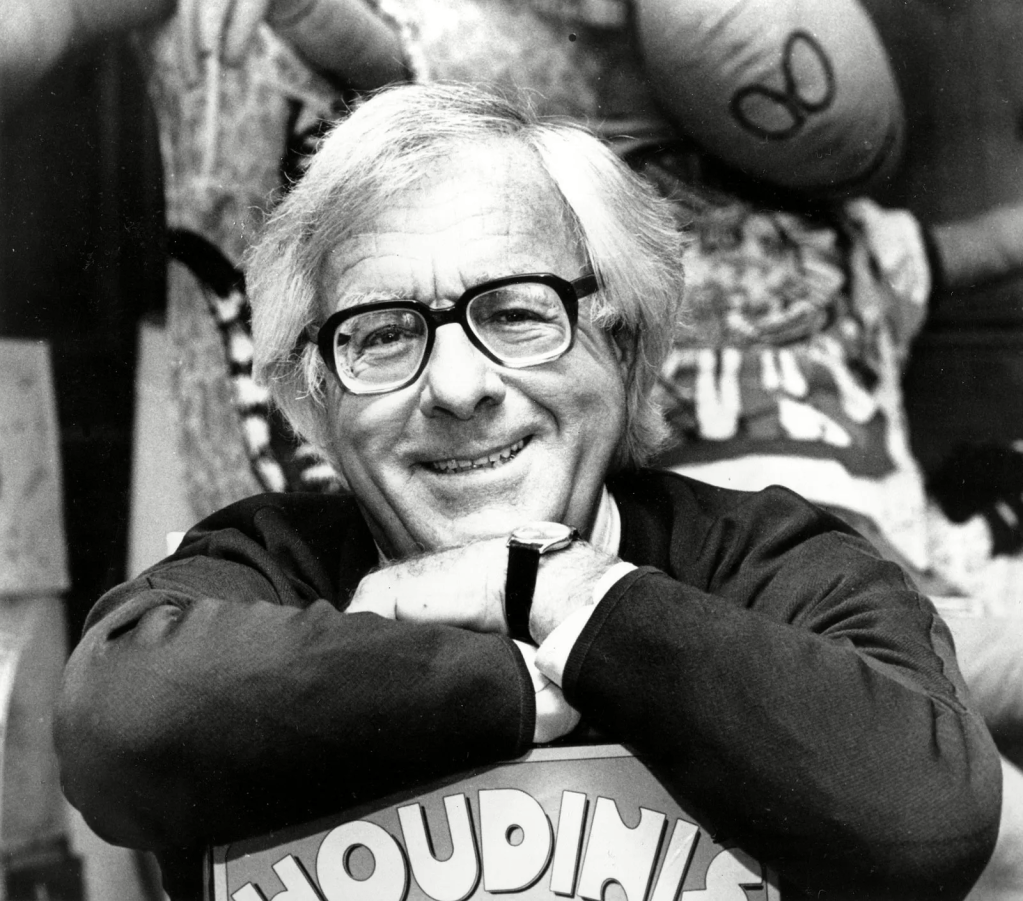
Չիկագո-Լոս Անջելես գնացքի ուղեւորը քմահաճույքով դուրս է գալիս մի տարօրինակ քաղաքում։ Այնտեղ նա հանդիպում է մի ծեր մարդու, որը խոստովանում է, որ երկար ժամանակ է, ինչ կայարանի հարթակում սպասում է անծանոթ մարդու, որ իջնի գնացքից։ Երբ խոսում են երկու տղամարդիկ, նրանցից յուրաքանչյուրը բացահայտում է, որ ինքը մյուսի գաղտնի ֆանտազիայի իրականացումն է: Ճանապարհորդը հանկարծ հասկանում է, որ գաղտնի ցանկացել է գնացքից իջնել մի քաղաքում, որտեղ իրեն ոչ ոք չի ճանաչում, սպանություն է կատարել,, ապա նորից գնացքով գնացեք, եւ ոչ ոք երբեք իմաստուն չի եղել: Այդպես էլ ծերունին տարիներ շարունակ սպասել է, որ անծանոթը գնացքից դուրս գալ: Չբացահայտված սպանություն կատարելու ցանկությունն ամբողջություն է։ Երբ յուրաքանչյուրն իմանում է, որ ինքը պետք է լինի մյուսի զոհը, մահանալու վախը չափազանց մեծ է: Տղամարդիկ շրջվում են իրարից եւ հեռանում:
Պատմությունը բացահայտում է թաքնված մտքերն ու ֆանտազիաները, որոնք զվարճացնում են բոլոր մարդիկ իրենց կյանքի ինչ-որ պահի, ատելության մութ մտքերի եւ սպանություն գործելու գաղտնի ցանկության մասին: Նման մտքերը բնորոշ են գիշերային խավարին։ Բրեդբերիի մարդկության գերագույն լավատեսությունը ապացուցված է, երբ պատմության մեջ ճանապարհորդն ու ծերը ոչ մի վնաս չեն հասցնում միմյանց, չնայած որ իրավիճակը կատարյալ է: Այստեղ կարելի է տեսնել Բրեդբերիի այն համոզմունքը, որ մարդն իր բնածին բարոյականության շնորհիվ կարողանում է ճնշել իր մութ մտքերը: Մարդը, սակայն, չի կարող ամբողջությամբ ազատվել այդ մութ ու կործանարար մտքերից: Սա պատկերված է ծերունու անձի միջոցով, ով շարունակում է սպասել կայարանում կատարյալ սպանության զոհի համար, չնայած որ կատարյալ հնարավորությունը հենց նոր է անցել նրան:
Abu Lala Mahari, the renowned poet of Baghdad, lived for decades in the splendid city of the Caliphs, Enjoying a life of luxury and delight. He sat at banquets with affluent and powerful people, debating both the learned and the wise, He cherished and assessed his companions. He visited the lands of many a nation, He saw and studied the peoples and their laws. And his discerning soul, comprehending people, assessed and hated Profoundly man and his rules. And since he had no wife or children, He gave away his entire fortune to the poor, gathered his caravan of camels, along with provisions and food, and one night, when Baghdad slept on the cypress-covered Banks of the Tigris – He departed from the city in secret…
First Surah
And Abu Lala’s caravan, gurgling softly like a spring,
Proceeded serene in the sleepy night, with bells sweetly tinkling.
That winding caravan appraised the road with measured strides,
And the melodious chiming suffused the tranquil grounds.
With ardent dreams of splendor, Baghdad slept in mellow restfulness,
In the rosebushes, the canary sang tearful songs of love’s distress.
The fountains chuckled with sprays of dazzling diamond cascades,
From the caliphs’ gleaming mansions scents and kisses pervaded the glades.
The jeweled caravans of stars wandered on stellar freeways,
And the boundless skies echoed the harmonium of eternal stars’ rays.
The wind whispered, with violets’ breath, tales of a thousand and one nights,
In sweet sleep, palm tree and cypress swayed on the roadsides.
And rolling along, the caravan rumbled forward with no backward glance,
The unknown path with myriad lures, enticed Abu Lala, stroking his dalliance.
“Go forth! Keep on going, my caravan, and walk till my days’ demise,”
Thus spoke deep in his heart, Abu Mahari, the poet great and wise.
“Go to the forlorn, desolate places, to the emerald vastness, free, pure and forthright;
Soar tireless toward the sun, and sear my heart in the sun’s heart.
“To you, oh, my father’s crypt, my maternal crib, I offer no farewell,
My soul is sore with eternal grief for paternal home and childhood’s pure spell.
“I was too fond of all my peers, and all people hither and there; whereas of late,
My love has turned to venomous viper, and my heart boils with toxic hate.
“Now, I detest that which I loved, since what I discovered in the souls of men; herewith,
In the human soul, nasty and mean, I have counted a thousand outrages and much filth.
“But above all, I hate the thousand-and-first–the spirit’s ribald falsehood,
Which adorns the face of man with the sacred halo of innocent sainthood.
“You, human tongue, who with a veil infused with heavenly scent and radiance
Cover the hell of man’s soul, have you ever spoken an honest sentence?
“Go to the desert, my caravan, to the wild forsaken, flaming borders,
In the company of beasts and rest there, under the bronzed, red boulders.
“Let me set up my tent–let me set it up on nests of scorpions and snakes,
I am a myriad times safer there, than among devious men with smiling faces.
“Or near a comrade, on whose breast I gladly rested my head once,
A comrade’s breast concealing the chasm of a fatal fall beneath a veil of lies.
“As long as the sun keeps searing Sinai’s soaring summits,
And the desert’s yellow layers form whirlpools as do mighty swells:
“I have no wish to break bread at their table, or offer humans my greeting,
I rather share a meal with wild beasts, or receive a hyena’s welcoming.
“And may predators tear me apart, flaming winds roar at me and burn –
And thus, till the end of my days, my caravan, keep going, go beyond return…”
Second Surah
And meandered that caravan through the rows of tall palm trees, Raising dust–a caravan of dust, led quietly by a fire-breathing breeze.
“Move on, caravan, what have we left behind, that nostalgia would call us back?” Thus spoke from his heart Abu Mahari, the distinguished bard.
“Have we, perchance, left back there spouse and friends, laws, rights and justice? March on! Do not stop! We have left behind only chains, restraints, lies and avarice!
“And what is woman, anyway…? An always mean, spiteful spider, devious, faithless, Who covets your bread, lying with kisses, and in your very lap, fondling someone else.
“Better brave stormy seas in a ramshackle boat, than rely on a woman’s oath; She is pimp and harlot, covert inferno–Satan speaks through her lips and tongue, both.
“You have often wished on a far, distant star, the white, angel-winged lily so light, As salve to your wounds–sustained as you reached for your delusions of a gilded life.
“You have longed for the song of the fountain beckoning you as the bright shores’ guest, And you have dreamt of eternity’s dew and sweetly wept on its heavenly chest.
“But a woman’s love offers brine to your parched soul, so that you remain ever thirsty, And in your red-hot craving–forever in thirst–you lick that woman’s victorious body.
“Oh, woman’s body, bacchanalian, serpentine–a truly satanic vessel of inequity, The bitter carnal pleasures of which can forever eclipse a soul’s sun in total obscurity.
“I detest love, cruel as death, burning, covertly maiming and mutilating forever; That poisoned wine, whose consumer is doomed to turn into slave or tyrannical master.
“I detest woman, essence of lusting, ever inseminating unbound slaughter, Inexhaustible fountain of muck and mud, covering the earth with mounds of squalor.
“Once more, I detest love and woman, with her obsequious kisses and false morality– I run away from her quagmire-mattress, cursing both her labor and her delivery.
“That dark, everlasting labor, that inundates venomous vipers’ writhing groupings, Biting each other, tearing one another to bits, desecrating the stars with toxic droppings.
“A vagrant is he, who becomes a father, who from the serene bosom of nothingness Lures the poor atom to sentience and dumps upon its head the inferno of lifelong stress.
“My father did sin against me, but I never, ever sinned against anyone.* Let this, my last testament, be inscribed on my tombstone–if ever I do find a niche!
“As long as the deep blue sea keeps hugging the cerulean shores of the Hejaz, I shall never turn back to woman, ever; I shall never miss her fake charisma and wiles.
“I shall gladly hug the needle sharp thorns of a wild prickly cactus and kiss them deep, And rest my weary head on the warm bosom of burning rocks, and weep.”
And, with a soft murmur, the caravan engaged the road, twisting and weaving with grace, Flowing ever forward, towards the golden distance in a serene, relaxed pace.
The bells seemed to wail as if shedding sonorous tears, note by note, drop by drop, The caravan, as well, seemed to grieve gently, that which Mahari had loved and dropped.
And the flutes of the breezes softly caroled eastern love-songs, so sad and moving, Lamenting the wounds of love, the demise of heartrending dreams, all beyond yearning,
And Abu Lala pondered somber, of his profound sorrow–endless, not unlike eternity, Not unlike his meandering road, twisting and swaying, ever extending into infinity.
Woven into the boundless fabric of his path, night and day he suffered silently, His searching gaze at unseen stars, his suffering soul full of bitter bits of memory.
And he never looked back at the trail he covered, no regrets for things left behind forever; He answered no greeting–neither did he greet caravans encountered on the way, ever.
Third Surah
And Abu Lala’s caravan, gurgling softly like a fountain,
Advanced, slow and at ease, beneath the moon’s retiring reign.
And the moon, like the chest of a young pixie of paradise, spry, dazzling,
At times modest, hid behind clouds, then came out bright, blazing!
Sweet-smelling flowers were asleep, among diamonds, lavish trimmings;
Rainbow-shaped birds fussed over each other with tender cooings.
Winds with violet-scented breath, whispered tales of a thousand and one nights,
Along the road, palm trees and poplars in deep, sweet sleep, swayed like kites.
Listening to the chatter of the wind, Abu-Mahari spoke without making a sound –
“This world could be a crafted miracle, a tall tale with no beginning or end, bright, profound;
“And who has woven this majestic saga, studded with stars and miracles that endure,
And who is telling it in numerous styles, tireless and dauntless, with such charming allure?
“Nations have come, nations have gone, and never understood its significance;
Poets have grasped a bit of it, and keep stammering its timeless refrains.
“No one has heard its beginning, nor shall anyone ever hear its end, and
Each refrain lives endless centuries, each refrain knows no beginning, nor an end!
“But for each newborn, this splendid legend is narrated all over again,
It restarts and comes to an end with the lives of each and all men.
“Life is but a dream, the world a mere tale, nations, generations – caravan in motion,
Which in legend, along with live dreams, rushes unseen towards perdition.
“Deaf and dumb people, bereft of dreams, without hearing this triumphant tale,
You snatch morsels from each other’s throats, turning this world into a horrendous hell!
“Yoke and whip, a web with no exit, woven by a disordered spider, constitute your laws,
With the venom of which you poison the nightingale’s song, the reverie of the rose.
“Pitiful people! Your mean hearts shall turn to dust, along with your malevolent actions,
And the hand of time, indifferent, shall wipe and erase your depraved intimations.
“And the blowhard wind shall smash your bones on rocks and stones, forevermore,
You, ever unable to appreciate this enchanting dream, this golden folklore.”
Bejeweled caravans of stars wandered along boundless heavenly highways,
And the endless firmament pealed with the ever ablaze, regal harmonium of the skies.
The entire creation was filled with an endless, magical performance of heavenly throngs,
Lost in reveries, with all his soul he listened, uplifted, to the sublime songs.
“March on, caravan, weaving your mellow murmurs with the heaven’s luminous hum overhead,
Cast my woes to the winds, walk into the loving lap of nature, and don’t turn your head!
“Take me to a light-garbed, lonely alien shore, on distant, remote, ever-detached shorelines,
Holy loneliness, thou, my oasis, thou, ever-flowing source of invigorating aspirations.
“Skies of silence, converse with me in the language of your stars, and soothe my soul,
Salve my soul, injured by the world – my man-mauled, weary, wounded soul.
“Inside me burns an insatiable yearning, a compassionate heart, forever crying,
And in my soul, there is a resplendent dream, and holy tears, and love everlasting.
“My spirit is free, I can’t ever tolerate over me the rule and decree of any power,
No law, no fate or boundary – whether evil or benign – no judgment and decree, ever.
“There can be no hegemony whatsoever over my head, not a single privilege,
And all that is outside my will or disposition is penitentiary, slavery, and bondage.
“I want to be totally unchained, debt-free, atheistic, anarchistic, unrestricted;
My soul yearns only and only for great freedom, boundless, unlimited.”
And the caravan mended forward, while above it shimmered all ignited
Like jewels, those ever glittering eyes – the stars with youthful smiles, untethered.
And the twinkling sparks of the golden stars summoned him affectionately,
Flooding his spirit with a thousand crystal chimes’ sublime harmony.
The road shimmered with the enchanted glows of the sapphire distance
And the caravan kept pace, swaying to and fro, headed to that sapphire expanse…
Forth Surah
Like an enormous, ominous black bird, the awesome night spreads its two endless wings,
And both descended on the caravan, the road, and the infinite fields, like an awning.
And from horizon to distant horizon, the skies filled with clouds in darkest distress,
The stars and the moon no longer gleamed; it seemed like blackness ensconced darkness.
And the mighty winds wildly raced, like an untamed, unbridled stampede of stallions,
Conjuring currents, raising and mixing with the clouds earth and dust of the scorched environs.
And in deadly distortions they crashed and screamed in a thousand and one sounds,
Like mortally wounded beasts, they growled, hollered with the very wail of the winds’ howls.
Contorting in narrow gorges, twisting and meandering through spacious woods of palm trees,
The wretched winds emitted moans and groans, sounding like a lamenting heart’s entreaties.
“Go, caravan, advance undaunted against all winds towards the very edge of the earth!”
Thus spoke to himself, Abu Mahari, the renowned poet, from the depths of his heart.
“Crackle over my head, heedless gales, conflagrate and detonate around my head!
Here I stand tall before you, with my head high, I do not kowtow to fear—smite my forehead!
“I shall not return to debauched cities, where the deafening din of sins rises high and spills over,
Those capitals of blood and gore, where ferocious man fells his fellowman asunder.
“My homeless head, you will never return home, since you disowned your own ancestral house.
Woe onto him, who owns home and hearth, shackled at the gate of his house like a hound.
“Assail, mighty winds! Sack my father’s house and bring it down to dust to its foundations broad,
And scatter its dirt to the four winds—for henceforth, my only home is the endless road…
“Hereafter, loneliness is my love, the stargazed firmament—my lone paternal tent;
Now, the caravan is my companion, and my comfort, my solitary route, unbroken by intent.
“You, conjurer of a road, my new homeland—forever concealed, eternally enchanting,
Abduct me, take my ever-wailing heart there, where no human has ever set foot, wandering.
“You must ever be alert in the presence of men, always on your feet and sword in hand,
Lest they violate you, and tear your friends—and foes alike—to bits, before you can take a stand.
“Lead me far, far away from friends, who, like a blood-thirsty swarm of insatiable mosquitoes,
Keep you company when your veins are full, but disdain you the moment the blood no longer flows.
“Who would have inflicted my deepest wounds, if it were not for so called friends, cohorts all?
They wormed their way into my heart with tender embrace, and with toxic kisses stung my very soul!
“Ten thousand lies and fibs contaminate the very core of each human kiss, the kiss of companions,
With which are ensnared the secrets of your heart, turning you into a prisoner for endless eons.
“What is a friend, or a companion, if not deceitful, covetous, greedy, cowardly, and craven?
A firmament of love died in my soul, a blazing sun of ardent faith, hope, and charity even.
“What, really, is a friend? Envious of your success, spying on your steps, an avaricious gossipmonger!
Familiar dogs do not bark at you; only people who know you well, growl and howl at you louder.”
Wanton winds mocked and laughed like malevolent banshees at Abu Lala’s downcast demeanor.
They cackled and chortled, clapping loud in mock cheer and pulling and tugging at his cape in ardor.
Hanging from the flapping folds of his robe they raised clouds of sand around Abu Lala’s face,
Picking up and blowing handfuls of dust into his eyes, they severed the thread of his thoughts…
Fifth Surah
And the caravan, confidently breaking through the jinns’ ferocious twister-dance’s spells,
Straight and fearless, kept forging onwards in rhythm with the tinkling of its disturbed bells.
“What really is a companion…?” continued deriding Abu Mahari, with wrath and ill intent,
“I fed vile snakes in my gracious lap; spread your wings my caravan, my most intimate friend!
“And wherever you go, go the same way and keep going, heed no road marks—none at all!
My upright road, lead me onward, misplace me, let me snap and agonize unbeknownst to all.
“And what have we left behind? What is back there, to lure us back again with an illusion?
Glory? Treasure? Privileges and power…? Fly! Fly farther and farther away from all intrusion!
“And what, pray, is glory? Today, men may raise you way, way above all the highest roofs,
Tomorrow, the same men will drag you down to the ground, to be trampled under hoofs.
“And what are honors bestowed by men—the mere result of lure of gold, or fear of disdain.
The minute you slip, dust under your sandals becomes a big man, treating you as a villain!
“And what is a treasure, with which the buffoon retains men—even genius, and affection?
None other, than the drained blood of multitudes, flesh of the dead, tears of the orphan.
“I despise the vulgar rabble, it is the great witless, and the very element of wickedness,
Oppressor of spirit, anchor of oppression, and a monumental monster of mindlessness.
“What is society? An enemy army, and the person therein, a slave with chains beyond sight!
When—if ever—has it tolerated a soaring soul, or a majestic thought’s unfettered flight?
“A ghastly gathering, a strangling noose; for all that it’s worth—a horrendous, stinging crop,
A pair of enormous shears that shear one and all in the very same manner, swift, non-stop!
“What is law? Ordained by humans, that merciless sword of uncouth wielders of power
Hanging over powerless heads, beheading the humble, guarding the potent now and ever.
“I say, seven times seven, I detest, abhor authority—that devouring ogre of generations,
Greedy usurer, insatiable scrounger, ever concocting wars and promoting destruction.
“And I curse the powers that be, with their thousand claws of a horrid pack of hyenas,
Each step—a blood-thirsty scythe mowing down, in blind fury, both young and hoary.
“Stupid people, slavish, spineless—who in hell gave to the likes of them swords and spears?
Who gave them the right to mete out vengeance, to rule, to slay and slaughter their peers?
“Take me hence, caravan, and hand me to vipers, bury my shattered heart beneath the sands.
Take me! Save me from authority; set me free from under its hideous canopy’s strands.”
Frenzied bolts of flashing lightning were tearing apart dark, menacing clouds’ columns,
And, in stunning speed, smashed to smithereens against the slopes of distant mountains.
And the mighty gales rumbled; trembling, palm tree and cypress clattered, cracking
As the caravan in a hurry, ran at great speed, galloping, sprinting in a mad dash, flying…
It tried to sprint and soar in its flight, rushing and raising vast clouds of dust on its path,
As if it ran away from the frightful fist of the powers, from their rancorous wrath…
Sixth Surah
“And in the angry sun of the midday there was a strong smell of my napkin and storm, and the caravan was lost in the dust, walking slowly, tired, sweaty.
Fly, caravan, storm, and storm, enter into the bosom of the sand; – So Abu Mahari, the great poet, spoke in his angry heart.
“Let the flame of the wilderness come against me, and erase my traces from the sand, that man may never find my place, that the air which I breathe shall not breathe.
Behold, the shack lions look into my eyes from the yellow straws, and I see them whose wind strips lightning from their golden skins.
Come, I call, I am not the fugitive. Come, wash my heart wounded; I will never go back to man; I will not knock on the door of man.
What are men? masked devils, teeth, neglected sticks, hooves, and catchers, and their tongue is poisonous swords.
And who are the people? The flock of foxes, the selfish innocent, the denialist, the betrayer, the joy of the fallen, the bloodshed, the beast of the infant, and the skull, and the skull.
In poverty, sucking, selling, misery, cowardly, treacherous, in riches, filthy, evil, and vengeful, and arrogant.
The good is sacrificed for the bad, and the bad and evil swallow, torment a handful of good in this bad world, and the weeds grow in the field of life.
I curse you, distant men, your evil and your good, your religions, who fight only chains, and hammers of slavery.
A living world where mighty gold makes a thief honestly hopeful, Apushi is a genius, a coward, a cute, ugly, beautiful, and a prostitute, a virgin.
The human world, the bathroom of blood, where the weak and mighty are righteous, wherever man is sad, something in this disgusting world is merely for matter.
Only for profit, always captive to profit, a godlike paw, behold, man always—an image of God, but indeed an abortion.
Having taken one to one countless steps in my caravan, my innocent journey, countless steps do not reach the size of a man’s crime in one day.
I say, behold, to the east, to the north, to the south, and to the west, whose winds are heard in conjunction with each other, my righteous word.
Take away my words, that they may hear the sea worlds from the seas, O worse, be abhorrent than man is cruel—that man is new.
For as long as the stars blink unquenchably in the silent wilderness, and the sand, breathing, and screaming to such serpents—
Flee, caravan, feasts of this fornication, from falsehoods, oppression squares, and filthy markets of sale.
Flee from the community, escape vengeance, bloody justice of men, flee from the woman, love, friend, breathless flee from the shadow of man.
Go, caravan, thou shalt strike under thy abbeys, trample thy law, right, and cover evil and good, or authority with the dust of thy ways.
“And let the tiger and the lion tear me down, and the flaming winds shall crush me—And thus, to the end of my days, my caravan, go and go…
Their bow’s necks, like strained arrows, Zill ran, and left an unbroken caravan of dust from their footsteps.
Zil ran through the jealous fields toward the unknown, to the distance, and scattered the fields, and the valley, and the vineyard.
It was as if he were fleeing in fear quickly without a haven, Abu Mahari, as if the law, the woman and the community were following him.
And the caravan passed under the pyramids, filled with bread and passion.
He ran hastily, near villages that had been stuck for centuries in ignorance, ran, sank into the distance with the uncontrollable thirst of the golden star.
The caravan poured out the path of twisted and lost days and nights, and in a tumultuous spirit Abu Mahari pondered a wrathful, orchid forehead.
The cholesterol caravan, covered like his arms, swept away with the devil of finding a light—a haven.
“And he wept without tears, and his sorrow was as unfailing as his way, which rolls like an unbroken serpent, and hath no end.
And he did not look back on the past journey, and he did not regret the past. He didn’t greet the caravans coming and passing.
Seventh Surah
And the caravan kneeled down near the Darbas of the great Arabian desert of Abu Lala.
The horizons were set on fire on their deserted, free shores, and darkness gathered the skirt in velvet, and the flames blew into the sky.
“And Abu-Lala sat alone, leaning upon the anti-inflammatory rock, sinking his eyes into the temporal distance, and peaceful and bright, peaceful, soul peaceful.
– Oh, how free I am, invincible free. Can this great slide be encircled, embrace my freedom in its purple, infinite?
No human eye will see me, no human arm will reach me. O liberty, thou art the fragrance of the beautiful roses of Paradise.
Thou hast crowned me with thy roses, and light thy torches in my soul. O freedom, thou art a paradise light—the immortal Al-Cora of the bubbles.
Beautiful, thou art a golden world of wisdom, a thousand greetings unto thee, a pure duck, where man hath not been swallowed up, blessed be thou blessed.
Spread out the yellow seas of thy sand upon the nations, and cover all men, and shoes and shelters, and villages and profits, and markets, and swallow.
Let freedom with thy dragonfly wind take away the world of thy throne, and the golden sun, the freedom of the world.
With thousands and thousands of miracles and volcanic seductions, the sun came out with splendid, luminous, rosary, and myriads of mercury.
“And in the torch of the noble sun spread, and the purple spread into the wilderness, and the bright and bright sword, like the golden fur of the great Titanic lion.
– Salam, sun, shadow crystal, thou art mighty of God, thou art the source of life, thou art my immortal mother, thou art the only good, thou art the only holy, holy.
Thou art a glass of gold drunkenness and happiness; thou art the fiery ocean of delight, the fire of the seductive wine.
A thousand cosmic exhibitions thou art a great feast, a good sun, behold, my soul—a thirsty bud, pour out thy wine in it.
In thy happiness, in thy wisdom, drunk me with thy eternity, give me the unfathomable forgetfulness of the past, light from thy fragrance in the bridges.
Drink me, drunk me, drunk me with thy immortal wine, forget man, lies and darkness, forget eternal evil and sorrow.
Drink me with thy majesty, drink me with light—admiration, an invincible adversary against the darkness, the mother of the spring, a sea of joy.
Thou art the only good, thou art my only love, thou art only holy, holy, motherly, thou art eternally merciful, sinking death, thou art the only beautiful.
I love thee, I love thee, kiss me with fire, stab me, and thou shalt spread thy golden hair upon me, and cherish me.
“And bloody my lips with thy kiss thy fire, happy thy light—open thy bosom, I fly in love unto thee.
“And let my ears be swallowed up, I will not hear the noise of the world forever; I will be blind to the world forever; I will not look back to see men.
Fly to the sun for centuries and centuries, and slide, an honest caravan, His lights, his flames, that I may sun and eternity.
Oh, my mother—the sun, stretch thy golden purple upon thy shoulders, that I may sword in thy glory, swallowed up in thy glory.
Thou art mighty of God, thou art my only mother, thou art thou kind, thou only holy, holy, thou art miraculous, only beautiful.
Last Surah
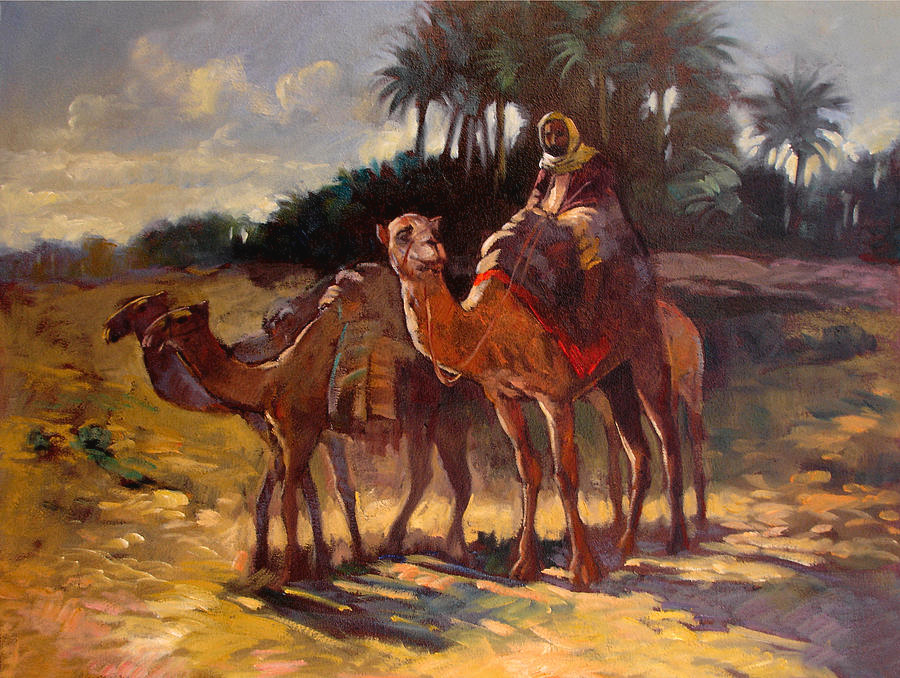
“And the camels, as golden canoes, swept into the sea,” quickly sliding into the flaming, bright distance.
“And in no sam could reach their campaign with a magnificent wing; their flight could not reach the wild Bedouin of the arrow.
The cool pillars of the Wahadi’s brought thirst for bright Cassidie’s, and the milk springs dreamed of their virgin heart.


 ԱՐԱՔՍ ՔԱԼԻՋՅԱՆ