Posted in Հայոց լեզու 12

Դասարանական աշխատանք

Առաջադրանք.

Կառքը սրընթաց գնում էր խավարչտին փողոցներով, և մթության մեջ հազիվհազ տարորոշվում էին բարձր տները։ Կռթնած կառքի վարդագույն բարձերին՝ կինն ինձ էր նայում  գորովագութ հայացքով և անձկությամբ խնդրում իրեն «մայր» անվանել։ Վրդովված շեշտով նա մեղադրում էր ծնողներիս, որ հանդուրժել էին անփորձ, անպաշտպան պատանուս մենակ թողնել դժոխքի մեղքերով թրծված այս մեծ քաղաքում, ուր ամեն վայրկյան կարող էի սայթաքել։ Քիչ անց մտանք նրա առանձնատունը։ Ես սանդուղքների վրա կանգ առա շփոթված ու անհամարձակ։ Բայց սգավոր կինն ինձ նայեց այնպիսի գորովագութ աչքերով, որ աներեր հետևեցի նրան։ Նա ինձ առաջնորդեց մի գողտրիկ սենյակ՝ զարդարված մուգ թավշյա վարագույրներով, արդուզարդի պարագաներով։ Երբ նստեցինք ընթրիքի ես արդեն պաշտում էի այդ չնաշխարհիկ էակին և բարձրակենցաղ մթնոլորտում զգում որպես այդ տան անդամը։ Ընթրիքը նրբաճաշակ էր, մատուցումը՝ բարձրորակ։ Վշտալլուկ կինը անսեթևեթ պարզությամբ հյուրասիրում էր ինձ՝ անընդհատ ափսեիս մեջ դնելով զանազան աղանդերներ։

Posted in Հայոց լեզու 12

Մեջբերվող ուղղակի խոսք

Լինում է 2 տեսակի՝

  • մտքում ասած, վաղուց ասած, գրավոր ասած խոսք, որ մեջբերվում է ուղղակի
  • բարձրաձայն ասած խոսք, զրույց՝ խոսող-խոսակից։

Մեջբերվող ուղղակի խոսքը անջատվում է հեղինակի խոսքից

  • մտքում ասած, վաղուց ասած, գրավոր ասած խոսքը՝ չակերտներով։ Վերջակետը դրվում է չակերտից հետո։
  • բարձրաձայն ասած խոսքի, զրույց՝ խոսող-խոսակից տարբերակի դեպքում՝ գրվում է նոր տողից, գծիկով։

3.  Մեջբերվող ուղղակի խոսքով նախադասությունները բարդ նախադասություննե են։ Ունեն երկու հատված՝ հեղինակի խոսք և մեջբերվող ուղղակի խոսք։ Սա բարդ ստորադասական նախադասություն է, մեջբերվող խոսքը երկրորդականն է։ Սովորաբար այդ երկրորդականի պաշտոնը լինում է ուղիղ խնդիր, լրացնում է գլխավորի ասացական բային՝ ստորոգյալին։

Օր.՝  Արամը մտածեց. «Ես ինքս եմ իմ գլխի տերը, ոչ ոք ինձ հրամայելու իրավունք չունի»։ (ի՞նչ մտածեց՝ ես ինքս եմ… -ուղիղ խնդիր։

Մեջբերվող ուղղակի խոսքի նկատմամբ հեղինակի խոսքը լինում է նախադաս (առաջ հեղինակինը, հետո՝ մեջբերվող խոսքը), միջադաս (հեղինակի խոսքն ընկնում է մեջբերվող խոսքի մեջտեղը), վերջադաս (հեղինակի խոսքը մեջբերվող խոսքից հետո է)։

Օրինակներ՝

  • Նա ասաց.
    -Հա՛յր, ես տանը կմնամ, մինչև դու աշխատանքից գաս։ (նախադաս)
  • Ես չեմ առարկում,- ասաց Սուրենը,— այդ մասին հայտնիր եղբորդ։ (միջադաս)
  • -Ես չէի ուզում քեզ վշտացնել, բայց քո վարմունքը ինձ ստիպեց այդ անել,- ասաց բժիշկը։(հետադաս)։

Ըստ այդ տեղի՝նախադասությունները կետադրվում են.

  • Նախադաս դիրքում հեղինակի խոսքից հետո դրվում է միջակետ։ Օրինակ՝
  • Վարդանը հիշեց ընկերոջ խոսքը. «Դու, բոլորին վստահելով, քեզ հարվածի տակ ես դնում»։
  • Եկավ դևն ու հարցրեց.
    — Արքա՛, ո՞ւր է իմ ոսկին։
  • Միջադաս դիրքում հեղինակի խոսքը երկու կողմից անջատվում է ստորակետ գծով (,-)։

Օրինակ՝

  • «Դու բոլորին վստահելով,-հիշեց Վարդանը ընկերոջ խոսքը,- քեզ հարվածի տակ ես դնում»։
  • — Արքա,- եկավ դևն ու հարցրեց,- ո՞ւր է իմ ոսկին։
  • Վերջադաս դիրքում հեղինակի խոսքից առաջ դրվում է ստորակետ գիծ (,-)։

Օրինակ՝

  • «Դու, բոլորին վստահելով, քեզ հարվածի տակ ես դնում» ,- հիշեց Վարդանը ընկերոջ խոսքերը։
  • -Արքա՛, ո՞ւր է իմ ոսկին ,-եկավ դևն ու հարցրեց։

Առաջադրանքներ

Կետադրիր տրված նախադասությունները (բոլորը մեջբերվող խոսքով են)

Реклама

about:blank

Տեսնելով հյուրերին՝ տանտերն ընդառաջ է գալիս ու ասում.
-Մենք վաղուց էինք ձեզ սպասում, ներս եկեք, բոլորիս էլ շատ ուրախացրիք դուք ձեր գալով։

-Մեծ եղավ իմ ուրախությունը, երբ մեր ընդհանուր ծանոթներից իմացա, որ քույրդ սովորում է մեր դպրոցում,- ասաց ընկերս,- երբ հանդիպեցինք։

-Տեսնում եմ անթաքույց դժգոհությամբ,- ասաց մեզ սպասավորը,- խոսքներդ մեկ եք արել ու ինձ հալածում եք։

-Մեն-մենակ եմ եկել, հա՛յր խոնարհվելով,- շշնջաց որդին,- մի՛ մտածիր անցյալի մասին։

-Եթե հարցնում եք իմ ու ուսուցչիս հարաբերությունների մասին,- ասում է Արիստոտելն իր աշակերտներին,- պիտի ասեմ, որ Պլատոնն իմ բարեկամն է, բայց ճշմարտությունն ինձ համար ավելի թանկ է։

Մայրը ձեռքի դերձանը ցած դրեց և գլուխը տարուբերելով՝ ասաց.
-Էհ, չգիտեմ, որդիս, հայրդ ի՞նչ պիտի աներ, եթե այժմ մեր կողքին լիներ։

Կրտսեր քույրս, հենց որ մենակ էինք մնում, ասում էր.
-Ընչացքդ արդեն սևացել է. տան տղամարդը դու ես, դու էլ որոշիր, թե ինչ անենք։

-Ճանաչեցի՞ր ինձ,-հարցրեց Սահակը ծերունուն,- դու իմ հոր զինակիցն ես եղել։

Տեսնելով տնօրենին՝ քարտուղարը հարցրեց.
-Ինչո՞ւ եք մնում քաղաքում. չէ՞ որ այստեղ մնալով դուք վտանգի եք ենթարկվում։

Ծերուկը, վեր կենալով տեղից, ասաց ինձ.
-Դու, սիրելի՛ս, լավ խորհիր անելիքդ մինչև վճռական քայլ անելդ։

2. Տրված մեջբերվող խոսքով նախադասություններում հեղինակի խոսքը տեղափոխիր երկու ձևով, ուշադիր եղիր, որ ճիշտ կետադրես։

-Մենք վաղուց էինք ձեզ սպասում, ներս եկեք,-ասաց տանտերն տեսնելով հյուրերին ու ընդառաջ գալով,- բոլորիս էլ շատ ուրախացրիք դուք ձեր գալով։

-Մեծ եղավ իմ ուրախությունը, երբ մեր ընդհանուր ծանոթներից իմացա, որ քույրդ սովորում է մեր դպրոցում, երբ հանդիպեցինք,-ասաց ընկերս։

-Տեսնում եմ անթաքույց դժգոհությամբ, խոսքներդ մեկ եք արել ու ինձ հալածում եք,- ասաց մեզ սպասավորը։

-Մեն-մենակ եմ եկել, հա՛յր խոնարհվելով, մի՛ մտածիր անցյալի մասին,-շշնջաց որդին։

-Եթե հարցնում եք իմ ու ուսուցչիս հարաբերությունների մասին, պիտի ասեմ, որ Պլատոնն իմ բարեկամն է, բայց ճշմարտությունն ինձ համար ավելի թանկ է,- ասում է Արիստոտելն իր աշակերտներին։

-Էհ, չգիտեմ, որդիս,-մայրը ձեռքի դերձանը ցած դրեց և գլուխը տարուբերելով՝ ասաց,- հայրդ ի՞նչ պիտի աներ, եթե այժմ մեր կողքին լիներ։

-Ընչացքդ արդեն սևացել է,-կրտսեր քույրս, հենց որ մենակ էինք մնում, ասում էր,- տան տղամարդը դու ես, դու էլ որոշիր, թե ինչ անենք։

-Ճանաչեցի՞ր ինձ, դու իմ հոր զինակիցն ես եղել,-հարցրեց Սահակը ծերունուն։

-Ինչո՞ւ եք մնում քաղաքում,- տեսնելով տնօրենին՝ քարտուղարը հարցրեց,- չէ՞ որ այստեղ մնալով դուք վտանգի եք ենթարկվում։

-Դու, սիրելի՛ս,- ծերուկը, վեր կենալով տեղից, ասաց ինձ,- լավ խորհիր անելիքդ մինչև վճռական քայլ անելդ։

3. Տրված տեքստում լրացրու բաց թողած տառերը և կետադրիր։

Մարզպետունի իշխանն այդ օրը զվարթ տեսք ուներ, հագել էր տոնական զգեստ։ Գլխին դրել էր պողպատյա, արծաթազարդ սաղավարտ՝ սպիտակ ցցունքով, և նախարարական զինանշանով։ Փայլփլում էին պղնձյա լանջապանակը բազպանները, սրունքներին ամրացված երկաթահյուս զանգապանները, և ճտքավոր կոշիկները։ Ծանր սուրը արծաթազօծ պատյանով լրացնում էր նրա զինվորական զարդարանքը։
Երբ ամենքը իրենց տեղերը բռնեցին, իշխանն առաջացավ դեպի հովանոցի սյունաշարը, և կանգնելով մարմարյա սանդուղքի վերին աստիճանին՝ խրոխտ ձայնով խոսեց.
—Ազնի’վ իշխաններ և իշխանուհիներ, սիրելի’ զինակիցներ, մեր քաջազն արքան՝ Աշոտ Երկաթը, անհաջողությունից քաշվել է կաքավաբերդ և փակվելով անառիկ ամրոցում, սպասում է մեր օգնությանը։ Գահը թափուր է։ Ո՞վ պիտի մտածի հայրենիքի փրկության համար։ Երդվում եմ իմ հայրենիքի արևով, որ չեմ վերադառնա իմ ընտանիքի գիրկը մինչև վերջին հագարացին չհալածվի Հայաստանից։

Լրացուցիչ առաջադրանք

1․ Ընտրել բառերը և տեղադրել համապատասխան տեղում՝ ենթարկելով փոփոխության:

ա) Արևելյան մի քաղաքի՝ փոշոտ փողոցի ստվերոտ անկյուններից մեկում, միջօրեի շոգին պառկել էր մի ծերուկ դերվիշ:
(միջօրե, քաղաք, պառկել, անկյուն)

բ) Նա ոսկին երկու հավասար մասի բաժանեց. Մի մասը փաթաթեց բրդյա կտորի մեջ և պահեց դուրս ցցված մի պարկի տակ, մյուսը նորից ժայռի մեջ լցրեց: (ժայռ, ոսկի, հավասար, պարկ)

2. Փակագծում տրվածներից ընտրել նախադասությանը համապատասխան բառը և ընդգծել:

ա) Այդ չարագույժ լուրից (խռովել, խռովվել) էր Այվազովսկու հոգու անդորրը:
բ) Սեփական գիտելիքի պակասի (զգացմունքը, զգացումը) կախված է ունեցած գիտելիքի ծավալից ու խորացումից:

3․ Տեղադրել բաց թողնված տառերը և կետադրել:
Նա դիմեց որդուն.
—Հայրենական տան դռները փակ են քո առաջ, որովհետև դու քո սրտի դռները փակեցիր խղճիդ ու հայրենիքիդ առջև: Դու արատավորեցիր Արծրունիների պայծառ հիշատակը՝ արհամարհելով քո ժողովրդին ու հավատը:
Ես քեզ կստիպեմ նվագել անիծյալ,- գոռում էր նա,- դու ծախված ես թշնամուն:

4․Փոխակերպել ուղղակի խոսքը՝դարձնելով անուղղակի:

– Լռե՛ք, թողե՛ք՝ ասի այն, ինչ մտքում ունի, – սաստեց բանախոսը և ձայնի եղանակը փոխելով՝ ասաց օրիորդին. – կկամենայի իմանալ՝ ինչ էիք ուզում ասել մեր մասին:

Բանախոսը սաստեց և ձայնի եղանակը փոխելով օրիորդին ասաց, որ լռի և թող ասի այն, ինչ մտքում ունի, քանի որ կամենում է իմանալ, թե նա ինչ էր ուզում ասել իրենց մասին։

Նա ընկերներին հաճախ էր ասում.
– Եթե ամեն մեկս մի փոքր բան անի, բոլորս մի մեծ գործ արած կլինենք:

Նա ընկերներին հաճախ ասում էր, որ եթե ամեն մեկը մի փոքր բան անի, նրանք բոլորով մի մեծ գործ արած կլինեն։

5․Գտնե՛լ, թե որ շարքերում են բառերը դասավորված այբբենական կարգով։  

1. այգաբաց, այգեբաց, այգեգործ, այգեգործություն, այգեպան
2. բախտ, բախտավոր, բակ, բաղադրիչ, բաղաձայն
3. թավիշ, թատերագետ, թարգմանել, թարթիչ, թիթեռ
4. լավատես, լավորակ, լեգենդ, լեռնային, լեռնալիճ
5. երանգ, երանելի, երաշխիք, երաշտ, երգ
6. զանգ, զավակ, զարդարել, զարմանալ, զբաղվել
7. կատու, կարապ, կղզի, հազար, հաղթել
8. անձնական, աստիճան, աստղ, աստղազարդ, աստղանիշ
9. գեղեցիկ, գետեզր, գերկարճ, գինեթաս, գիպս
10. ծանրորդ, կենցաղ, կղմինդր, համար, համարակալել

6․Ո՞ր շարքի բոլոր բառերն են իրար հոմանիշ։  

1․Գովել, դրվատել, պախարակել, փառաբանել

2․ Բիլ, լուրթ, կապուտակ, լաջվարդ

3․Հեծկլտալ, փղձկալ, ործկալ, արտասվել

4․Դժվար, դյուրին, բարդ, խրթին

7. Ո՞ր նախադասության մեջ է ընկեր բառը գործածված ուղիղ իմաստով։    

1․ Ես  մի ընկեր ունեի՝ Լիպո անունով:

2․Ընկեր կդառնամ ես քո վշտերին…

3․Ջութակը միշտ նրա անբաժան ընկերն էր:

4․Ի վերջո կյանքի ընկերներ դարձան:

Posted in Հայոց լեզու 12

Հայոց լեզու

Առաջադրանքներ

1. Առանձին սյունակներով դուրս գրեք պարզ և ածանցավոր բայերը․ որոշե՛ք, թե դրանք որ խոնարհման են պատկանում։
Մինչև 20-րդ դարի երկրորդ կեսը մարդը դեռևս չէր կարողացել հաղթահարել Երկրագնդի ձգողական ուժը և հնարավորություն չէր ունեցել թափանցելու տիեզերական ազատ տարածություն, լինել երկնային մարմինների վրա, անմիջականորեն հետազոտել այդ մարմինների բաղադրության մեջ մտնող քիմիական տարրերը:

Նրանց քիմիական կազմության միակ լրաբերը լույսի ճառագայթն էր: Բայց մարդկային հանճարը ալիքային այդ նեղ լուսամուտից քամեց զարմանալիորեն շատ տեղեկություն: Տակավին 17-րդ դարի կեսին՝ 1666 թ., Իսահակ Նյուտոնը նկատեց, որ ապակյա եռանկյուն հատվածակողմով (պրիզմա) անցնող ճառագայթները պատի վրա ծիածանանման մի լուսակ (սպեկտը) են առաջացնում։ Նյուտոնը կռահեց, որ լույսի ճառագայթների փունջը, որը գալիս է Արեգակից, կազմված է ալիքի տարբեր երկարություն ունեցող ճառագայթներից, որոնք տարբեր չափով են բեկվում ապակյա հատվածակողմում։ Փաստորեն այստեղից էլ սկսվեց ճառագայթներ գունակազմական վերլուծությունը, որը երկնային մարմինների ճանաչման մի հզոր ու անփոխարինելի միջոց դարձավ (ՀԳ)։
Չէր կարողացել, չէր ունեցել, լինել, քամեց, նկատեց, առաջացնում են, կռահեց, գալիս է, կազմված է, բեկվում են, սկսվեց, դարձավ։

2. Առանձնացրե՛ք ածանցավոր բայերն ըստ տեսակների (սոսկածանցավոր,պատճառական, բազմապատկական, կրավորական):

ա) Անվանել, գժվեցնել, գտնել, թոշնել, երկնչել, զանազանել, զբոսնել, իջնել,

որոնել, հասցնել, հայտնել, հորինել, հիմնել, հասնել, տեսնել, օթևանել, ելնել,

մթնել, մեկնել, դեղնել, խթանել, յուղոտել, հագնել, ճանաչել, զեղչել, կանչել,

թռչել, շնչել, գոչել, հնչել, գրվել

բ) Եզրապատել, կոտրատել, ընդհատել, վանկատել, փախցնել, կոչել, կորչել,

շառաչել, սիրվել, թռչկոտել, մոտեցնել, կտրատել, վրդովվել, ներկոտել,

բոցկլտալ, մտնել, դիպչել, ճխլտել, խաղացնել, հեռանալ, քնեցնել արագաց-

նել, պոկոտել, մոտենալ, փախչել:
Սոսկածանցավոր- անվանել, գտնել, թոշնել, երկնչել, զանազանել, զբոսնել, իջնել, որոնել, հայտնել, հորինել, հիմնել, հասնել, տեսնել, օթևանել, ելնել, մթնել, մեկնել, դեղնել, խթանել, հագնել, ճանաչել, զեղչել, կանչել, թռչել, շնչել, գոչել, հնչել, ընդհատել, կոչել, կորչել, շառաչել, բոցկլտալ, մտնել, դիպչել, ճխլտել, փախչել, արագացնել, քնեցնել, գեռանալ, խաղացնել։
Պատճառական- գժվեցնել, հասցնել, փախցնել, մոտեցնել, խաղացնել, քնեցնել։
Բազմապատկական- յուղոտել, կոտրատել, վանկատել, թռչկոտել, կտրատել, ներկոտել, պոկոտել։
Կրավորական- գրվել, սիրվել, վրդովվել։

3. Կազմե՛ք հետևյալ բայերի պատճառականը (ածանցով կամ տալ բայի հարադրությամբ).

ա) Խոնավանալ, մոտենալ, թռչել, վերանալ, իջնել, գրել, մոռանալ, մերձենալ,
մորթել, հասնել, թարմանալ, փախչել, նվազել, կորչել, մգանալ, խաղալ, սպի-
տակել, տափակել
բ) Մտնել, վազել, նստել, երկարել, կարճանալ, նկարել, հնանալ, սառչել,
կպչել, հասկանալ, դադարել, մոլորվել, հաշտվել, պոկել հաչել, ուտել, սատկել, տափականալ, կազմել

Խոնավեցնել, մոտեցնել, թռչեցնել, վերացնել, իջեցնել, գրեցնել, մոռացնել, մերձեցնել, մորթեցնել, հասցնել, թարմացնել, փախցնել, նվազեցնել, կորցնել, մգեցնել, խաղացնել, սպիտակեցնել, տափակեցնել, մտցնել, վազեցնել, նստեցնել, երկարեցնել կարճացնել, նկարացնել, հնացնել, սառչեցնել, կպցնել, հասկացնել, դադարեցնել, մոլորեցվել, հաշտեցվել, հաչեցնել, ուտեցնել, սատկացնել, կազմեցնել։

4. Գտե՛ք սխալ բայաձևերը, ուղղե՛ք և բացատրե՛ք։
ա) Խոսացած, դիպչեցինք, խստացնել, հարցրեցի. մուրացող, խլացնել հանգչեց, վիճվել, մի՛ գրեցեք, թռչիր. խաչակնքվել, քծնել, սառում էն, սրդողաց, խնդրվել, ասեց։ բ) Հաջողացրեցինք, բուրող, ուռչած, կպչի՛ր, տուժված, փախչել է, ուտեցնել, մոտեցրա՛, կպնելիս, կապնվել, բռնվեց (կառչեց), մի՛ կորի, ճաքճքված, զանգվել, աշխատեցնել:
Մոտեցրա-մոտեցրու
վիճվել-վիճել
սառում էն- սառումեն
սրդողաց-սրտդողոց
ասեց-ասաց
կապնվել-կապվել

Posted in English, Հայոց լեզու 12, Թարգմանություն

Մուշեղ Գալշոյան թարգմանում «Սպասում»

ՍՊԱՍՈԻՄ

Komitas came out of the hotel, raised the coat collar,put his hands in his pockets, and walked fast and lightly . It was the middle of December. The cold was whimpering in the Parisian streets. It was not early in the morning, the sun should have passed a couple of ropes from its day’s rough journey, but it was not there, it had disappeared behind the dark sky of the city, and  had melted and lost like a spark torn from a chimney. 

The new issue of the “Le Mercure musical” magazine, – the trembling voice of the newsboy was heard on the opposite sidewalk, – the latest issue! 

Komitas was interested in the name of the magazine: two weeks ago, when Parisians got together in the Sal Des, Agri-Culture Hall, where the first Armenian concert was going to be held. and he was making the final arrangements on the stage, he suddenly heard. 
– It’s amazing. The scientific and musical authorities in Paris have also come. Merely unusual and attractive programs have gathered so many people. I am suspicious that Armenian music will give something, especially… under the direction of a religious man. 

The speaker was a young man sitting in the front row, self-confident and jaunty. And at the end of the concert when the room was stunned in admiration the young man flew on the stage. 

“Please…, please…, forgive me”, he bowed. 

He smiled tiredly and without any malice, and the young man became more confused. 

“Holy Father”, he stuttered. 

Then he found out that he was a reporter in ”Le Mercure musical” magazine. 

“The latest number, the fresh verse”, the sobbing voice of the boy was heard.
Komitas automaticaly slowed down the steps. He had no intention of buying the magazine, but the newsboyran to him, held out the magazine, stammering. –“Mesio… “

-“You’re cold, my little one,” he bought the magazine and interacted with the boy’s sweaty cheek. -Mercy… the new verse… the fresh number… – The newsmagazine ran down the street.
The band looked at him and smiled sadly. “You’re an orphan, little one!” and the magazine walked armed with a newspaper. The magazine had the orchestra’s reaction, the sensational words shouted from the lines:

“Armenian music . . . News… discovery…” -Again, is the same arrogant and offensive celebration; he invents a new people who confuse their birthday from ancient times and discover the song and music that the people breathe and breathe like air.
“A music that leads us far and makes us live the lives of a forgotten people …” the editor called and owed on his shoulders. -Ten or twelve years ago, wasn’t the world full of journalists like you that Sultan Hamid was red feasting on the massacres of the people who invented you today? And now the same goes on. Now… (That was half of December 1906). Now the turn to say meaningless words is your turn, closed the magazine with a heartfelt shutdown, squeezed into the catch, and accelerated the steps.”Every people, like every man, must live their day and life, their journey must be broken with their own feet. Who has walked someone else’s feet for so long? Who has shaved another’s hump?

It was the middle of December. Cold day. the Parisians knocked on the door and the window against the day. Passersby were special on the cold sidewalks with their eyes blindfolded. Whether the ice has anything to do with the sky, the cold, the buildings, the doors and the windows, and the reluctant flocks that were reluctantly separated from the lips of the chimneys.
Around the street, the Eucharist noticed a wallet. It was old-fashioned, poor, ten frank.

“Poor guy has lost it,” he thought sadly, and looked around, “I have lost a cold day’s living, coronation, will be, he will come back. “Now he will come,” he persuaded himself, looking at the clock. In the 12th, there was less than a quarter, and on the 12th, Pearl was invited to dinner. “I’ll wait a little,” he decided, calmly walking around the street and back, And he was convinced that he would come, the man who had lost the fire on that sweet winter day, and that he would know him immediately.
“It’s a sad thing not to have a living of the day,” Komitas thought, “it’s against the birth of man, it’s against nature. And it is not for bread and bread, for the clothing and the blue, that men come into the world, they are given from above with their birth, given like air and fur. And if they don’t, then great crime has been committed. Poisonous swords have been opened against nature.”

A chariot came out of the street, decorated with golden poppies, and the street was filled with a warm breath of horses. The proud breath of the horses had become a deer by the rumbles, the chariot blew his hands, And the Committee wanted to stop the chariot to keep the wallet in front of the passerby’s eyes and say, How, isn’t it yours? Nothing, take it, there’s ten franks in your wallet, you’ll buy charcoal, you’ll buy coal

And that desire, born one, breathed a memory, a sad ten-year memory. In 1896, another winter, was the first winter to study at Berlin’s highest music studio. And he came out to ask an acquaintance for debt, but selfishness didn’t allow him to knock on the door to ask for money for bread, and he hungrily measured the streets of Berlin. Suddenly he saw half a mark at his feet, took it, and cheered, what to do, you can’t go into a tavern with half a mark, not to the store.
“I bought a half-market lottery ticket and the next day I won a hundred marks,” the Eucharist recalled, “for two days I thought only about eating a notebook, But I could have been satisfied (I should have been satisfied) “and instead of living a body on those two days, I would live in the spirit for which I was born, for which they’re all born for. And I”.

Then he remembered other days of hunger and sweetness, more than his school years in Berlin, and considered them all vain and saddened that none of the coming days, and even though he has no sin for those vein days, he has no sin in his ears, the words of Professor Schmidt of the Berlin Conservatory, “You, I’ll forbid you to pay me from now on.” The frozen face warmed with shame.

“But I paid him, nevertheless,” Komitas breathed furiously, “I don’t understand why people have the right to set foot in the mere personal world of others, ” It’s unrighteous to think of Professor Schmidt, he was a kind and humane old man, loved me, and was interested in me.” and looked at the clock, waited more than an hour. “He stumbled,” he said, “as if he weren’t expecting a random and unfamiliar man, but a relative with whom he had an appointment to meet right there, the turn of the street, at that very hour, only you don’t know why he’s late, he doesn’t come. But he’ll definitely come, and he has to wait, he’s obliged.
He will know, come, it’s cold, come early.”

And he took a hundred franks out of his pocket, right, a hundred, hurriedly opened the wallet and enveloped a hundred franks deep in the wallet, under ten franks. Then he smiled, He rubbed his hands, took a deep breath, breathed calmly like an old and heavy debtor, and suddenly realized with his breath, that a hundred marks won by lottery ten years ago deemed it hidden from him. “Why?” he tried to understand, “why owe it?”
“For a hundred people were discouraged in that lottery, “For the magician, he smiled, felt that the real answer was again hidden from him, sleeping deep in the soul, one day he will appear, he will appear unexpectedly, and rejoice.
“They put me in my midst” he thought of the emotions enveloped in my mind, “let them stay, take out a young baby՚.

Then he warmed his hands with his breath, looked back and forth at the length of the sidewalks, and continued to walk, the turn of the street and back, turning back and back.
It’s cold… He’s late՚
Now he didn’t look at the passersby so diligently, he didn’t seek the owner of the wallet, the two-hour journey had created the illusion that he was waiting for an acquaintance, who, if he came and didn’t notice, would come near, welcome, and reach out. He said, “How can someone be this late? I got cold.”
Suddenly he threw away his heart. A thick man came from in front, pressed into an autumn old coat. His eyes were lost, but he didn’t look for anything on the sidewalks.

“It’s not him,” Komitas decided, and instead of regretting, he had a hidden joy and stood, doesn’t he want the owner of the wallet to appear early. Isn’t it? “How no, he should come now and stand up for the lost, and let him go, it’s cold, the Pearl is waiting, dammit…” But there was still a heat waving under his breast, the anxiety was extinguished, the poor man of the moment, who could have been the owner of the wallet, he might have passed, the owner didn’t, and went away. And a heat waved under the breast, the heartbeat was extinguished.

Komitas smiled at his secret feeling.
” I have chickens in my middle. – Someone had opened his eye, threw it away. – I won’t take it out. My warmth, let them stay. The world is cold.”
In the depths of my soul, the feeling was not departing, crushing, turning an indispensable word and word, and erecting barefoot on that cold sidewalk next to it.

That winter day is a million and one person in the world, with an invitation to a million and one meal (millionth and oneth, Komitas himself), A million people have bought concerts and theater tickets, millions and one person work, millions and one think, breaks heads, millions and one person dies, millions and one person is born. On that day and hour of winter, a man in the world, one, only one, waits for a stranger on the winter street to return his loss of ten franks. And he himself would give him the wallet and continue on the way to the house of Margaritha and be invited to dinner millions and one.

And he didn’t agree with the owner of the wallet early.
On that winter day, there were millions and one robbery in the world, millions and one was robbed, millions and one man had lost their wallets, worn and new, full and empty, millions of people had found wallets, pocketed and gone to his thing. In that winter day and hour, a man in the world, one was only dating the owner of the lost wallet. Then let him come early, let him stand accountable for losing his wallet.

And he disagreed with the fact of the owner’s early arrival. Every minute of waiting was proud to drop in his soul, “And there was nobleness in that time, cold and winter, in a foreign land, an hour to cheer a left-handed man, he waited for three hours. And he would still wait. No, he keeps no one’s way, And the prayer is not over yet, the complaint and demands of those who work and thirst, and he shall pray for their good fortune for a long time.

Komitas looked behind a man pressed in an old autumn coat and felt sorry for not being the owner of the wallet, and he felt that he was still in a warm wave under his chest. it’s good that he wasn’t the owner.
Again, he smiled at his stolen feeling and didn’t try to go again.
And it came to pass, that, behold, the street responded to the lid of the tablet and the metal, and a small, low wagon appeared. The wagon dragger was a man, deprived of his spine and neck, there was a piano on the wagon, and two walked by the side of the wagon, In the cold of December, men in clothes and blue, gloves-right piano safety. and that’s from the heavy footprint of the wagon. The wagons from the ice creams of the street were in the post, the piano was shaking, and the keyboard was silver rain.

“I can talk to you alone about the pain of the world, “Komitas whispered to the piano, “with you alone՚ ” he repeated, and the steps took him behind the piano.
“You play like that every day,” he thought of the cargo, “this is your invented series, you have no one else. “And then he recalled:
“So when will I have the piano?”
And he remembered his orchestra, far from his hometown, leaving his orchestra in Ejmiacin , and seemed to him that his desire to have the piano was a betrayal of his orchestra, and the piano left behind.

“My honest, faithful orchestra, my sweet mercury,” he whispered and added, “my friend…”
Then a soft sadness came, wrapped around him, and warmed to him on that cold street, and the sadness that appeared was a shoulder-enveloping coat. “My friend,” he repeated, “and their fingers moved rhythmically in his pocket.
And they quarreled and whispered advice to each other, and then a word came and became a breath. And Komitas came out excitedly to search for someone to bring in, to turn him into an ear to the gospel of his orchestra. Then Komitas approached the orchestra and reopened the edge of the conversation:

My heart is like ruined houses.
And the orchestra understood him and responded:
Oh, lady, household!
Now he came to Paris and recounted the years of his “sweet mercury” conversation about the Armenian world, its obscured mountains, the stubborn and faithful eyes of houses and householders on those mountains, about the yellow flames filled with toner:
And Paris whispered: “Armenian music…New… discovery.”

The truck and the wagon wasn’t visible, the piano’s flower had disappeared on the street, but it still stayed for Komitas, and he remembered again.
“But when will I have the piano? I’m a musician, I’m 37 years old and I don’t have a piano.”
No, it was necessary to piano, and it was not a betrayal of an old and faithful orchestra. He will not strangle him; he will not be taken out of the house. He will stay. He will listen and smile with a yellow smile of strings. He will hear and establish the gospel of himself and the piano. Sometimes he will intervene, help, hard, he and the orchestra understand each other well, they’re old friends.
“And we’ll have a long partner. Until I have the piano, until I have all the conveniences to work, my life will pass.” On a cold day, and the Parisians arrested the door and the window against the day. Passersby were special on the cold sidewalks, and there was not late for Komitas. He spent four hours back and forth, turning back the street, turning back and back…

Four hours…
Both the wallet and the purpose and tax of the traveler. There was only a desire to meet someone who was desperate, let him come, be a master of the prayer that the Holy Father hath done for himself under the fresh dome of the earth, to pray from sunless morning to sunshine.
And he came.
She was a widow with a widow’s jacket, widow’s feet, a woman’s footsteps, a beetle’s head. (It was unexpected, you don’t know why it didn’t occur that the owner of the wallet could have been a woman.)
“In the world, there are many swords against nature,” Komitas again thought, “Nature has made this a woman, the burden of the widow has been lifted upon her shoulders. The woman is killed, the woman is made to become a widow.”
There was a complaint in the eyes of the teenager, and hope hung from her lips like a weeping, and trembled. trembling with his eyes, standing with his eyebrow, in a chlorine, The woman’s wandering gaze met Komitas, then cracked, huddled at her feet, became a thief, and he searched for the lost with a thief’s eyes, and suddenly he felt that the look focused on the tablet wasn’t looking for a wallet now, but he struggles to keep his eyes on him, and he wants to understand it.
“The eyes were black. Sad. And…” The woman tensely kept the Komitas’s face, eyes, and woman striving not to blink her eyes, not to lose the face, eyes, and look of the unknown man.
“Eyes were black, sad, and sad. “It was for me,” he thought, and his lips trembled with excitement, and the hot tremor flowed with his knees. He tried to lift his head again, But a merciful hand that was Komitas eyes shook her hair under her head, and the woman didn’t want to touch, check, find out the compassionate hand that she had been waiting for.

Then the woman looked at the black necklaces of Komitas’s coat, the black trumpets of the pillow, the black feet on which the cold shone like a shoulder, The woman’s steps became no more willing, confused and unwilling, sad, a few more steps, and she will pass by this stranger, and then the cold will crawl under her head instead of that warm hand, and he’ll stay with the winter day and the lost wallet. -Madmuazel… With every mixed step, she had waited for the sound of those eyes (there was a word in her eyes), had waited with her breath, and was shocked with the voice of Komitas— it was the scream of breathless waiting. -Madmuazel, have you lost anything?
The girl’s legs and knees had faded, she became warm, her eyelids were heavy, her eyelids were coming together, and she felt tired, tired, and wanted to sleep.

I wish there would have been a warm corner. She wants to sleep -Yes! I’ve lost my wallet, “she said lowly.
Komitas took his hand into his pocket. -Take it. – He smiled sadly, and why were you late? -The girl reached out weakly, took the wallet, tried to open with her trembling fingers. It was inadvertently motivated, unrelated to the moment. Komitas took her hands onto his palms. -You don’t have to open, he said, adding to himself, “It’s cold.
And then he pocketed his hands, made a slight humble bow. -Tomorrow evening there’s an Armenian orchestra in the Armenian Church. I invite you. Come on.
And he just headed and went. The girl watched him with a lost look, the man walking away in flexible steps, And when Komitas looked back, he smiled, and handled, the girl’s lips trembled.
And in the soul a wave of incomprehensible waves, a wave of sorrow, He opened his eyes inside, threw away a feeling hidden from him, whose distant response only came to place, so much so: Komitas felt like that four-hour wait should have been a little different. A little different way, he was waiting for himself. a widow, but a woman appeared.
He turned around again, looked at it, and the woman was still standing.

Posted in Հայոց լեզու 12, Թարգմանություն

Երգերի թարգմանում

Իմ անհատական թարգմանական երկարաժամկետ նախագիծը

Նպատակ

  • Բարելավել իմ գրավոր և բանավոր խոսքը այն լեզուներում որ թարգմանում եմ
  • Ինքնազարգացում
  • Ներկայացնել նոր խմբերի/երգիչների բոլորին

Խնդիրներ

  • Կարողանալ ճիշտ թարգմանել երգը
  • Լեզվական խնդիրներ

Արդյունք

  • Ամբողջական տեքստի կառուցում

Օրվա երգը- Peanut butter and tears

Երգչի մասին

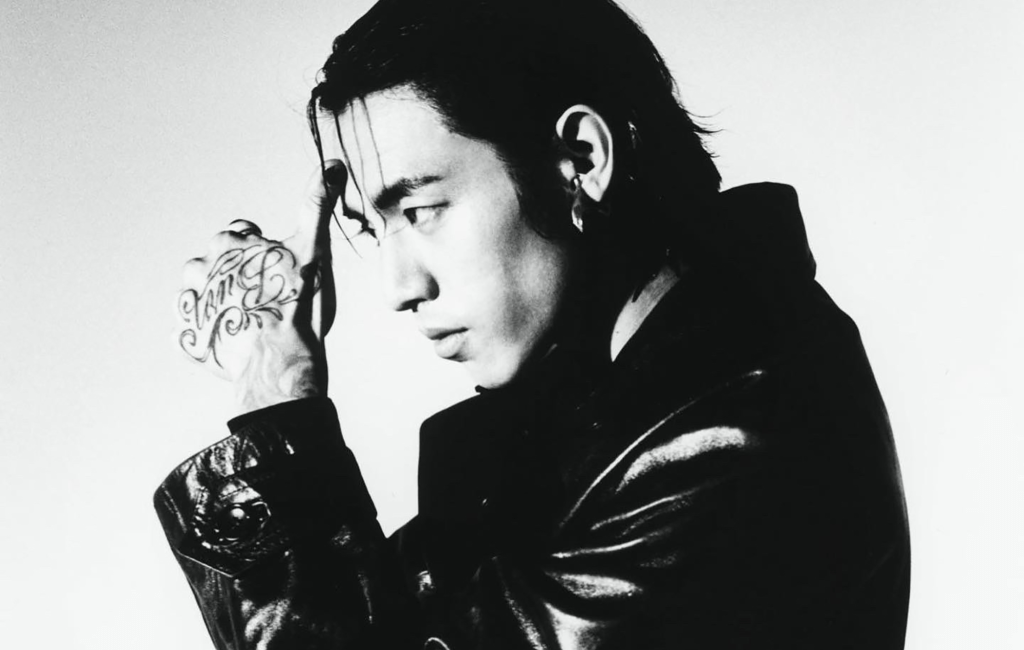
Քրիստիան Յուն հայտնի է նաև որպես DPR +IAN երգիչ, պրոդյուսեր, ռեժիսոր և DREAM PERFECT REGIME (DPR) խմբի գլխավոր խմբագիր և C-CLOWN-ի նախկին անդամ։  Նա դեբյուտել է որպես K-pop խմբի ղեկավար C-Clown բեմական անվան տակ, որը ծագել է նրա կորեական “Ba-rom” անվանումից: 6 անդամ ունեցող տղաների խումբը դեբյուտել է 2012 թվականին և եղել է առաջին կուռք խումբը, որը ստեղծվել է ժամանցային գործակալության Yedang Entertainment-ի կողմից, որը հետագայում վերանվանվելու էր Banana Culture Entertainment: 2015 թվականի հոկտեմբերին C-Clown-ի անջատումից հետո Յուն Dpr Live, Cream և REM-ի հետ միասին հաստատեց «Երազանքի կատարյալ ռեժիմ» մակնիշը, և բոլորն էլ պիտակի ակրոնիմը՝ DPR-ն, կցում են իրենց անուններին։ 2021 թվականին նա թողարկել է իր դեբյուտային ընդլայնված խաղը Moodswings in This Order: 2022 թվականին թողարկել է իր առաջին ստուդիական ալբոմը՝ Moodswings In To Order:

Երգի իմաստը

«Peanut Butter &Tears» -ը արտացոլող և զգացմունքային լիցքաթափված երգ է, որը խորասուզվում է երգչի՝ առանձնացման և վախի զգացումների մեջ: Երգիչը նկարագրում է մի կիրակի առավոտ, որտեղ զբաղվում է կարաոկեով, սակայն ժամանակավոր ուրախության մեջ մոռացվում են նրանց պարտականություններն ու հոգսերը, որոնք խորհրդանշում են գազօջախի վրա մնացած թղթադրամները: «Ես հեռացա տնից այսքան վաղուց» տողը ենթադրում է հեռավորության զգացում և նրան անցյալ կյանքից անջատում, ինչը հանգեցնում է անկայունության զգացման:

Թափթռող ատամի և գետնանուշի կարագի և արցունքների մասին բազմիցս հիշատակվող խոցելիության և փխրունության զգացում են առաջ բերում։ Ատամը խորհրդանշում է մի բան, որը երկար ժամանակ անհանգիստ և անկայուն է եղել, մինչդեռ «գետնանուշի կարագն ու արցունքները» խորհրդանշում են քաղցրության եւ տխրության համադրություն: Այս տարրերի զուգակցումը խորհրդանշում է այն բարդ զգացմունքները, որոնց դեմ պայքարում է երգիչը։ Չնայած իրենց երջանկությանն ու ազատությանը փափագելուն ՝ նրանք արտահայտում են իրենց անկարողությունը ՝ զսպելու իրենց վախերը ։

Երգը նաև շոշափում է ինքնընկալման թեման և այն գաղափարը, որ ուրիշները կարող են տեսնել ճակատամասի միջոցով: Երգիչը նշում է, որ ընկերները նրանց «մեռած» են համարում և թվում է, թե իրենց մակերեսի տակ թաքնված ինչ-որ բան են հայտնաբերում: Նրանք գիտեն, որ սովոր են մխիթարություն փնտրել անծանոթների մեջ և կորցնել իրենց անձը։

Ընդհանուր առմամբ, «Peanut Butter &Tears»- ը նկարագրում է փախուստի կարոտի հակասական զգացմունքները, երբ գտնվում է սեփական վախերի և անվստահության ծուղակում: Այն արտացոլում է երգչի պայքարը՝ կայունություն և երջանկություն գտնելու համար, մինչ նրանք բախվում են իրենց ներքին դևերին։

Երգի բառեր

Sunday morning karaoke
Forgot my bills on the stove
I left home so long ago

That my tooth’s been wigglin’ for years, ooh
My peanut butter and your tears
Oh, why the sad face, dear?
I can’t control all of my fears

It’s 5 a.m. and I have to go
The wind is tearin’ up my eyes (we know, we know)
Friends tell me I look so dead
I think they’re seein’ through my disguise (they know, they know)

Where I’ve been
I get so friendly with strangers (ooh, yeah)
The way I’ve been, I get so lost in my color
It took me some time

And my tooth’s been wiggling for years
My peanut butter and your tears
Oh, why the sad face, dear?
I can’t control all of my fears (ooh, yeah)

Soaked in glitter, never been so better
Danced away my feathers
Look at me in my leather (undressed)
Soaked in glitter, never been so better
Danced away my feathers
Look at me in my leather

I hardly do as I am told
I feel the magic in those times (we know, we know)
I hate to see your tea get cold
From leaving the door open too wide

Where I’ve been
I get told I’m just a stranger (ooh, yeah)
But the way I’ve been, I’ve returned as your lost lover
It took me some time

And my world’s been wiggling for years
My peanut butter and your tears
Oh, why the sad face, dear?
I can’t control all of my fear

Soaked in glitter, never been so better
Danced away my feathers
Look at me in my leather (undressed)
Soaked in glitter, never been so better
Danced away my feathers
Look at me in my leather

Թարգմանություն

Կիրակի առավոտյան կարաոկե,
Մոռացել եմ իմ թղթադրամները գազօջախի վրա,
Ես հեռացա տնից շատ վաղուց,

իմ ատամը տարիներ շարունակ ժառժվում է
Իմ ոլոռն ու արցունքը
Ա՜խ, ինչո՞ւ տխուր դեմքը, սիրելիս…
Ես չեմ կարող վերահսկել իմ բոլոր վախերը,

Առավոտյան ժամը 5-ն է, և ես պետք է գնամ
Քամին պատռում է աչքերս (գիտենք, գիտենք)
Ընկերներն ասում են, որ ես այնքան մեռած եմ երևում,
Ես կարծում եմ, որ նրանք տեսնում են իմ թաքստով (գիտեն, գիտեն)

Որտեղ եմ եղել
Ես այնքան եմ ընկերանում անծանոթների հետ
Ինչպես եղել եմ, այնքան եմ մոլորվում իմ գույնով,
Ինձնից որոշ ժամանակ պահանջվեց,

Եվ իմ ատամը տարիներ շարունակ ժառժվում է,
Իմ ոլոռն ու արցունքը
Ա՜խ, ինչո՞ւ տխուր դեմքը, սիրելիս…
Ես չեմ կարող կառավարել իմ բոլոր վախերը

Փայլով թրջված, երբեք այսքան լավը չի եղել
Փետուրներս պարեց
Նայի՛ր իմ կաշվին
Փայլով թրջված, երբեք այսքան լավը չի եղել
Փետուրներս պարեց
Նայի՛ր իմ կաշվին,

Դժվար թե անեմ այնպես, ինչպես ինձ ասում են
Ես զգում եմ այդ ժամանակների հմայքը (մենք գիտենք, գիտենք)
Ես չեմ ուզում տեսնել, թե ինչպես է ձեր թեյը մրսում,
Դուռը չափազանց լայն բաց թողնելուց,

Որտեղ եմ եղել
Ինձ ասում են, որ ես պարզապես օտար եմ
Բայց ինչպես եղել եմ, վերադարձել եմ որպես քո կորած սիրեկան
Ինձնից որոշ ժամանակ պահանջվեց,

Եվ իմ աշխարհը տարիներ շարունակ թափառում է,
Իմ ոլոռն ու արցունքը
Ա՜խ, ինչո՞ւ տխուր դեմքը, սիրելիս…
Ես չեմ կարող վերահսկել իմ բոլոր վախերը,

Երգերի առաջարկներ

Ես խորհուրդ եմ տալիս լսել նրա երգերը և DPR բաժնի այլ երգերը, յուրաքանչյուրն բաժին ունի տարբերվող աուրա և երաժշտության ժանր: Բայց բայց քանի որ ես իմ ֆոկուսը DPR IAN-ի վրա եմ դնրել կառաջարկեմ նրա երգերից։

Posted in Հայոց լեզու 12

Դասարանային աշխ․

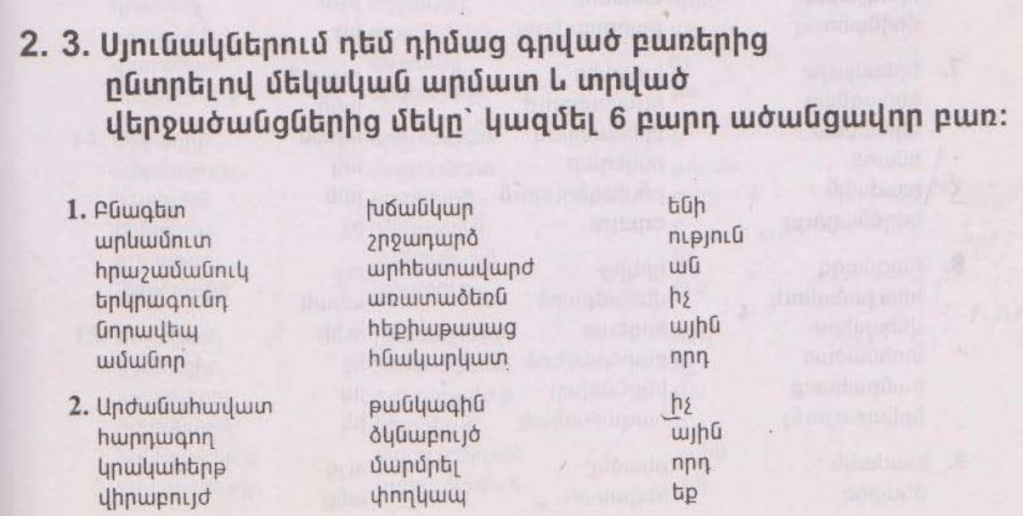
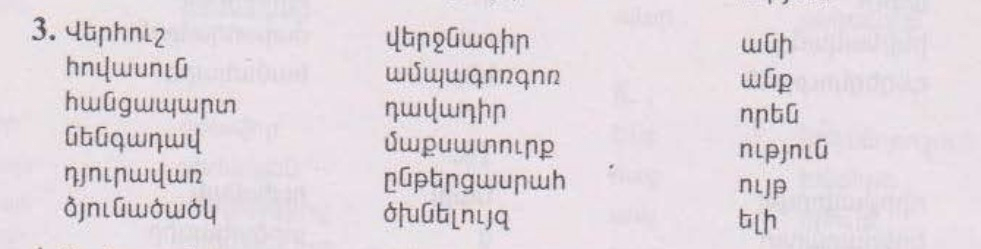
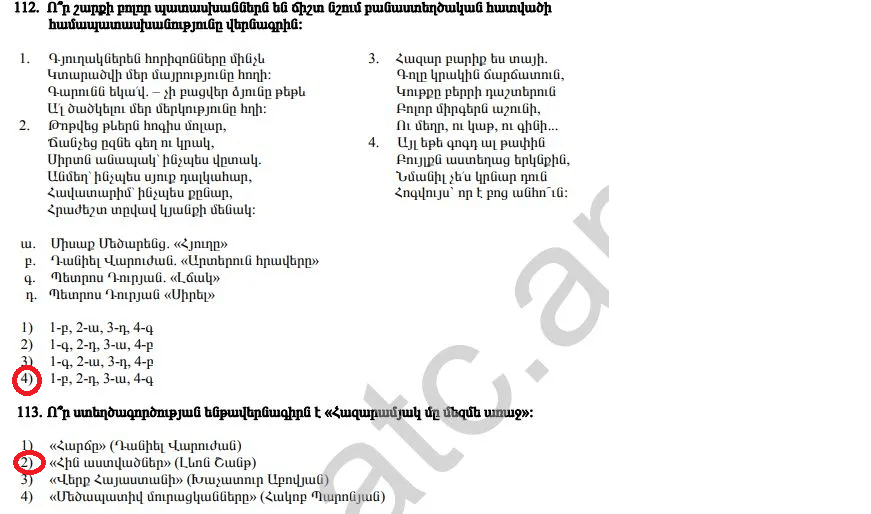
  1. Բնանկարիչ, արևադարձային, մանկավարժություն,ձեռնագնդորդ, վիպասան, հնամենի։
  2. Թանկարժեք,ձկնագողություն, կրակմարիչ, վիրակապարան, անձնագրային, հեծանվորդ

3․ Հուշագրություն,ամպհովանի, պարտադրանք, մաքսանենգորեն, դյուրընթեռնելի,ծխածաձկույթ