Posted in Հետազոտական Աշխատանք

Feedback by the specialist

Specialist gemmologist and jewellery designer: Mardirous Kalijain

Having reviewed Arax Kalijain’s research paper, I can confirm that she has demonstrated commendable proficiency in her work. The content presented there is substantiated and adeptly navigates the complex realms of gemmology and jewellery design. Throughout her study, she asked questions, to which I willingly provided input. It was indeed gratifying to contribute, and witnessing her favor for this subject matter was particularly joyful.

Given my background as a jeweller, I hold a personal investment in this topic, and I’ve observed significant advancements in her design methodology. Overall, the research maintains a consistent standard and offers well-considered insights, striking a balance between depth and accessibility despite the inherent complexity of the subject matter.

Posted in Հետազոտական Աշխատանք

Research project -Gemology and the art of making jewellery.

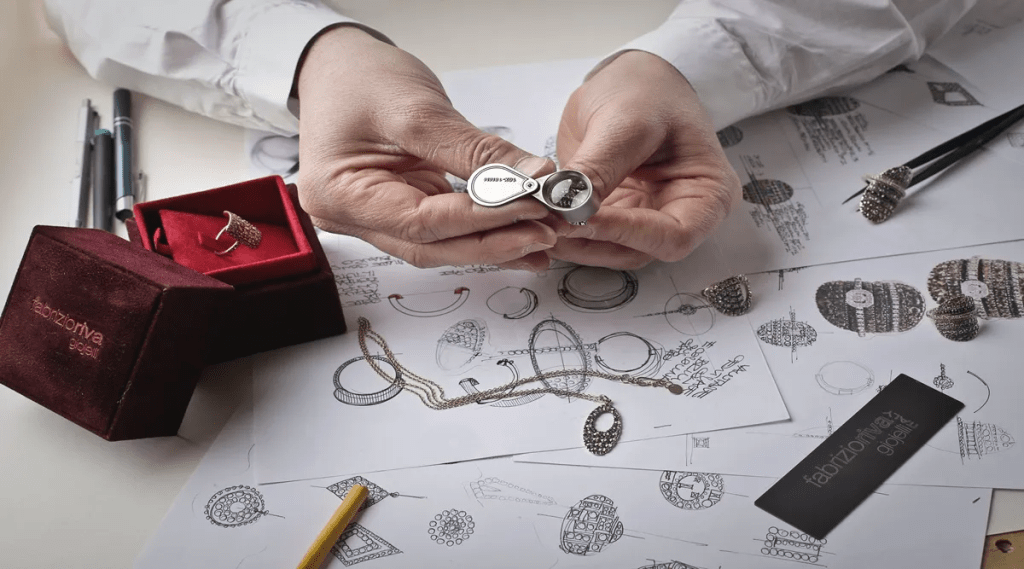
Հետազոտական աշխատանքը գեմոլոգիայի և զարդերի պատրաստման արվեստի  մասին է: Թեմայի ընտրությունը պատահական չէ, քանի որ մանկուց հետաքրքրվում էի այս թեմայով և, հավանաբար, իմ 2-րդ մասնագիտության ուղին է: Հետազոտությունը բացահայտում  է գեմոլոգիայի և զարդերի դիզայնի աշխարհը: Աշխատանքը  բաղկացած է 5 գլուխներից: Առաջին գլուխը բացահայտում է գեմոլոգիայի էությունը։ Երկրորդ գլուխը խոսում է գեմոլոգիայի խնդիրների մասին, նաև լույս է սփռում զարդեր պատրաստելու պատմության վրա։ Երրորդ գլխում ուսումնասիրել ենք Հաայստանի գեմոլիգիան և խնդիրները։  Չորրորդ գլուխում պարզաբանում են մասնագետները։ Հինգերորդ գլուխը ցույց է տալիս զարդեր պատրաստելու գործընթացի հիմքում ընկած հնարամտությունը։

Gemology.docx

my presentation

specialist’s feedback

Posted in Հետազոտական Աշխատանք

What is gemology

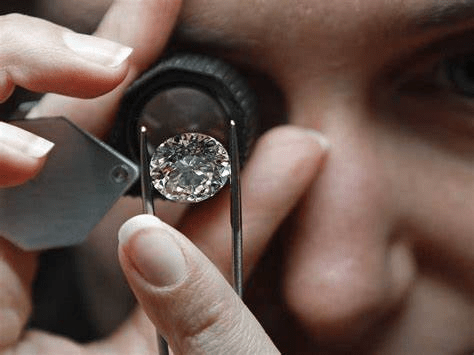
Gemology or gemmology is the science dealing with natural and artificial gemstone materials. It is a geoscience and a branch of mineralogy. Some jewelers (and many non-jewelers) are academically trained gemologists and are qualified to identify and evaluate gems.

History

Rudimentary education in gemology for jewellers and gemologists began in the nineteenth century, but the first qualifications were instigated after the National Association of Goldsmiths of Great Britain (NAG) set up a Gemmological Committee for this purpose in 1908. This committee matured into the Gemmological Association of Great Britain (also known as Gem-A), now an educational charity and accredited awarding body with its courses taught worldwide.

The first US graduate of Gem-A’s diploma course, in 1929, was Robert Shipley, who later established both the Gemological Institute of America and the American Gem Society. There are now several professional schools and associations of gemologists and certification programs around the world.

The first gemological laboratory serving the jewelry trade was established in London in 1925, prompted by the influx of the newly developed “cultured pearl” and advances in the synthesis of rubies and sapphires. There are now numerous gem laboratories around the world requiring ever more advanced equipment and experience to identify the new challenges – such as treatments to gems, new synthetics, and other new materials.

Posted in English, Հետազոտական Աշխատանք

Research project 2023-2024

Topic: Gemology and the art of making jewelry

Supervisor: Irina Apoyan You can follow my work process with this link

The motive: The purpose of this research project is to learn the craftsmanship of making jewelry and the history behind it and to interduce people to the world gemology.

Research project problems: The main problem is to find the correct sources. To understand the importance of this topic and to explain people the true meaning of this topic.

Popularity of the topic: The popularity of this topic is not that much. The people who want to study in this field or their family member is in the work they might know something about it but the others just laugh at you when explaining what it is and i would like to change that with this research project.

Posted in Հետազոտական Աշխատանք

Common mental health problems

In many ways, mental health is just like physical health: everybody has it and we need to take care of it. Undiagnosed or untreated mental health disorders in adolescents can cause a range of problems that persist into adulthood. These problems can impact school performance or physical health. They may even lead to addictive behaviors.

Anxiety

Anxiety is the mind and body’s reaction to stressful, dangerous, or unfamiliar situations. It’s the sense of uneasiness, distress, or dread you feel before a significant event. A certain level of Anxiety helps us stay alert and aware; this disorder can cause children to be extremely scared of daily life. They can affect kids of all types. Teen anxiety can have many causes:

•High expectations and pressure to succeed

•Watching the news

•School safety drills and lockdowns

•Interactions on social media 

Three kinds of anxiety disorder are common among teenagers:

•Generalized anxiety disorder (GAD): The person is excessively worried about many things that cannot be controlled. GAD is typically diagnosed when a person cannot control their worry for a number of consecutive days.

Panic attack disorder: People with panic attack disorder have sudden and repeated attacks of unreasonable fear that last several minutes or longer. During a panic attack, the person has a fear of disaster or of losing control when there is no real danger.

Social anxiety disorder: This condition is a chronic form of irrational anxiety related to social interactions. The individual may have a fear of being judged or may worry about embarrassment or humiliation.

People with anxiety disorders often avoid talking about their problems. They feel that other people would not understand. Scientists are still unsure of the causes of anxiety disorders. However, there are treatments and coping mechanisms that can help a teen living with anxiety:

•Counselling sessions can help a teen understand why they are feeling anxiety

•Breathing techniques can help ground a person and bring them back to the present

•Eating well-balanced meals can improve general health

•Getting enough sleep allows body and mind to rest

•Taking a break from a stressful situation can allow the person to relax

•Talking about symptoms may destigmatize anxiety

•Avoiding or limiting alcohol and caffeine may help to prevent anxiety

MAJOR DEPRESSIVE DISORDERDepression

Depression is a mood disorder that causes a persistent feeling of sadness and loss of interest. Also called major depressive disorder or clinical depression, it affects how you feel, think and behave and can lead to a variety of emotional and physical problems. You may have trouble doing normal day-to-day activities, and sometimes you may feel as if life isn’t worth living.

More than just a bout of the blues, depression isn’t a weakness and you can’t simply “snap out” of it. Depression may require long-term treatment. But don’t get discouraged. Most people with depression feel better with medication, psychotherapy or both. Depression is one of the most common mental health disorders. An estimated 3.2 million young adults have had at least one depressive episode, according to the National Institute of Mental Health (NIMH). A major depressive episode is a period of at least 2 weeks where the person had a depressed mood along with most of the following symptoms:

  • Loss of appetite
  • Problems in sleeping
  • A loss of interest in daily activities
  • Lack of self-worth
  • Trouble in concentrating

Studies from Harvard have shown that there are many possible causes of depression, including:

  • Faulty mood regulation by the brain
  • Genetics
  • Stressful life events
  • Medications
  • And medical problems

Depression can be hard to treat, as it can severely affect energy levels and mood. However, there are many treatments and coping mechanisms that are proven to be helpful, like:

  • Staying connected with friends and family
  • Participating in activities that are enjoyable
  • Moving or being active
  • Talking with a mental health professional
  • Walking in nature
  • Challenging negative thoughts

Substance use disorder 

In 2017, 9% of high school students admitted that they smoked at least one cigarette a day. The same study also stated that 30% of high schoolers reported they had had at least one drink within the past 30 days. Unhealthy patterns of substance use can include using illegal substances or using legal substances in harmful ways (e.g., too much or too often). The substances most commonly used among teenagers include the following:

•Alcohol

•Prescription drugs

•Tobacco

•Illegal drugs including marijuana

Substance use disorder can have major effects on a teen’s body and brain, such as:

•Affecting growth and development;

•Initiating other risky behaviour, like drunk driving;

•Contributing to problems later in life, like heart disease or high blood pressure.

Teens hide their substance use from their parents and paediatricians. This makes substance use hard to diagnose and harder to treat. Teens experiment with drugs mostly in social settings, when their parents are not watching. However, parents can often notice signs that could suggest a possible substance use disorder:

•Difficulties at school and declining grades

•Poor performance

•Changes in physical appearance

•Altered behaviour, such as an increased desire for privacy

•Drastic changes in relationships

•A lack of energy during daily activities

•Spending more money than usual or requesting to borrow money

•Changes in appetite

•Bloodshot eyes, poor skin tone, and appearing tired

•Defensiveness when asked about substance use

If you or your teen is suffering from substance, use disorder, it is important to contact a doctor to discuss rehabilitative treatment options.
Posted in English, Հետազոտական Աշխատանք

My research project in process (Mental Health)

psychical mental spiritual health.jpg - What is Mental Health? Why is it important?

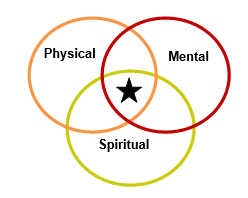
We, humans, have 3 fundamental aspects of wellness –

  1. Physically
  2. Mentally, and
  3. Spiritually

All three are equally important in achieving and maintaining complete well-being.

But do we really give them equal importance?

It’s an interesting question, isn’t it?

Consider this, when people have physical problems, most are likely to go to a doctor for a medical check-up. But when it comes to mental and spiritual most people just brush that off and think its not a big deal. How many of us actually even consider the need to visit a specialist instead of just talking to our friends, family members and colleagues?

One of the problems that people face when it comes to seeking help for mental health is that they don’t know when they need to seek help. The lack of awareness is so prominent that most people don’t even understand the difference between mental health and mental illness. The two terms are incorrectly used interchangeably at most a times.

So what is the difference between mental health and mental illness.

To answer that, first we’ll have to define mental health. im going to ask this question again

What is mental Health?

You have probably heard the term ‘Mental health’ yet not many actually know what it means. Give this a thought and think of what this term actually means for you. Define it in your own words.

According to the World Health Organisation (WHO):

Mental health is “a state of well-being in which every individual realises his or her own potential, can cope with the normal stresses of life, can work productively and fruitfully, and is able to make a contribution to her or his community.”

So rather than being about ‘what’s the problem?’ it’s really about ‘what’s going well?’

It is about wellness than illness.

Mental Health vs Mental Illness

When do you think mental health is more important, when one is having some mental illness or when one is already living a healthy life?

Ideally, mental health is equally important. It goes without saying that when one is already suffering from some mental illness, one needs to visit a Mental Health Practitioner.

But for people who are already living with good mental health, it becomes equally important to develop and sustain habits that would help one to continue living a healthy life.

Both, mental wellness or health, and mental illness lie on a continuum.

Mental health vs mental illness - What is Mental Health? Why is it important?

Mental health is at one end of the spectrum – represented by feeling good and functioning well – while mental health conditions (or mental illness) are at the other – represented by symptoms that affect people’s thoughts, feelings or behavior.

Not everyone will be diagnosed with a mental illness, but everyone certainly has “mental health”.

Researchers have shown that high levels of mental health are associated with:

  • Increased learning
  • Creativity and productivity
  • More pro-social behavior and positive social relationships and
  • Improved physical health and life expectancy

In contrast, mental health conditions (or mental illness) can cause distress, impact on day-to-day functioning and relationships, and are associated with poor physical health and premature death from suicide.

Now let’s understand what mental illness actually is.

What is Mental Illness?

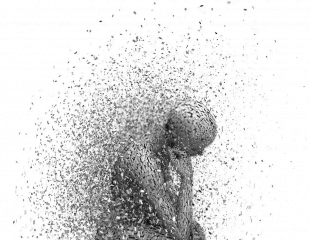
my anxiety has anxiety 310x240 - What is Mental Health? Why is it important?

Mental Illness (MI) refers to a disorder of mood, thought, perception, orientation, and memory which can affect the overall functions of social cognition and behavior causing distress to the individual and his/ her family, this also includes conditions created due to substance abuse and alcohol.

Since we kind of understand, what mental health is let’s start off with my main topic of my project