There was a man who used to beat his wife but unfortunately, she succumbed to his beating though he had not intended to kill her. But when she was dead, he became fearful of her relatives. In a state of anxiety, he came out of his house and met an acquaintance to whom he posed his problem. The friend told him to invite a young man to his house and behead him and put the severed head next to the wife’s corpse. Then he would tell the wife’s relatives that he had found them together in bed and was unable to control his ire. And slew them both.
The man liked the idea and sat at the doorway in anticipation of a young man. After some time a handsome youth passed by his house. He invited him inside and beheaded him.
Then he summoned the wife’s relatives and told them the fictitious story. They were satisfied but the person who had devised this plan had a teenage son who did not reach home that day. The man was worried and when the son failed to turn up he came to the house of the one whom he had offered evil advice and asked him if he carried out the plan suggested by him.
Yes… said he and took him near the dead bodies. He was shocked when he saw that the youth, he had killed was his own son. His evil advice caused the death of his own son.
The moral of this story is that one who digs a pit for others falls into it himself. History is replete with such incidents. According to HOLY BOOKS, the following saying was common. One who digs a hole for his brother gets into its A similar proverb is there. Do not do evil to anyone the sane evil will turn towards you.
Translation: Չարություն մի արա ոչ ոքի.
Մի մարդ կար, որը ծեծում էր իր կնոջը, բայց, դժբախտաբար, նա ենթարկվեց նրա ծեծին, թեև նա մտադիր չէր սպանել նրան։ Բայց երբ նա մահացավ, վախեցավ նրա հարազատներից ։ Անհանգստության վիճակում նա դուրս եկավ տնից և հանդիպեց մի ծանոթի, ում առաջ քաշեց իր խնդիրը:Նրա ծանոթը ասաց, որ մի երիտասարդի հրավիրի իր տուն, գլխատի նրան և կտրված գլուխը դնի կնոջ դիակի կողքին: Հետո կնոջ բարեկամներին ասի, որ անկողնում գտել է նրանց և չի կարողաց ել զսպել իրան։
Այդ մարդուն դուր է գալիս այդ միտքը և նստում դռան մոտ՝ սպասելով մի երիտասարդի։ Որոշ ժամանակ անց մի գեղեցիկ երիտասարդ անցավ նրա տան կողքով։ Նա ներս հրավիրեց նրան և գլխատեց նրան։
Հետո նա կանչեց կնոջ հարազատներին և պատմեց հորինված պատմությունը: Նրանք բավարարված էին, բայց այն մարդը, ով ծրագրել էր այս ծրագիրը, ուներ մի դեռահաս տղա, որը այդ օրը տուն չհասավ։ Այդ մարդը անհանգստացած էր և երբ որդին չհայտնվեց, եկավ նրա տուն, ում նա չար խորհուրդ էր տվել և հարցրեց, թե արդյոք նա իրականացրել է իր առաջարկած ծրագիրը։
Այո… ասաց և տարավ նրան դիակների մոտ: Նա ցնցվեց, երբ տեսավ, որ երիտասարդությունը, որին սպանել էր, իր սեփական որդին է։ Նրա չար խորհուրդները պատճառ դարձան, որ իր որդին մահանա ։
Այս պատմության բարոյականությունն այն է, որ նա, ով ուրիշների համար փոս է փորում, ինքն է ընկնում դրա մեջ։ Պատմությունը լի է նման դեպքերով։ Ըստ ՍՈՒՐԲ ԳՐՔԵՐԻ ՝ հետեւյալ խոսքերը տարածված էին ։ Նա, ով իր եղբոր համար անցք է փորում, մտնում է դրա A նման առակի մեջ։ Չարություն մի արա որեւէ մեկի հանդեպ, որ խելացի չարը կշրջվի դեպի քեզ:
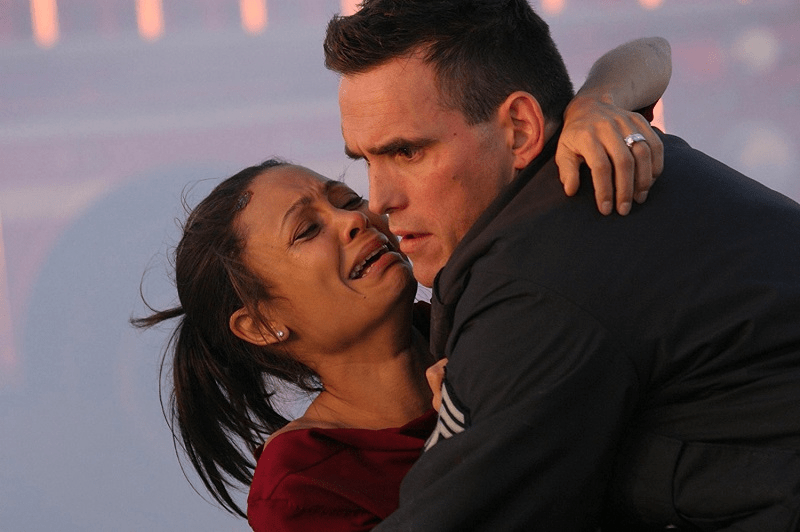
Crash is a movie about racial stereotypes and how individuals let them influence the way they see people. The film has earned positive acclaim from critics and it’s easy to see why. Crash is unafraid to ask the hard questions and show a jarring reality that is often avoided on the silver screen. For this reason, I thoroughly enjoyed the film. Although the film is often greatly dramatized, I believe the filmmakers were successful in their attempt to promote racial awareness. To accomplish this, the film boasts an ensemble cast of white men and women, several African American characters, several Hispanic characters, a Persian family, and several Asian characters. Through their daily lives and perspectives, we see many instances of discrimination from them and against them. i wouldn’t say that this movie is one of my favorites but again its an interesting movie.
The first thing you should know when starting this movie is that you should not make it totally positive or totally negative. Yes, this movie received three Oscars and was included in several lists of the best movies of all times.
However, it was reasonably criticized for reinforcing racial stereotypes and indirectly promoting the idea of white supremacy. Paradoxically, the movie motivating spectators to end racism on a personal level is full of prejudices and underlying motifs of white privilege.
Memorable scenes (includes some spoilers)
People do not trust a Hispanic locksmith Daniel, assuming that he is a member of a gang on no other grounds except the fact that he has many tattoos and a shaved head. A white middle class woman, Jean, is afraid that Daniel will give copies of their keys to the members of his gang. A Persian shop owner, Farhad, does not believe Daniel and refuses to change a shattered door of his shop. Because of that door, Farhad’s shop is robbed.
Daniel’s daughter is afraid of sleeping in her bed when she hears a gunshot in their street. Daniel wants to comfort his child and tells her to use an imaginary cloak making her invisible. Later on, the girl tries to save her father with that ‘invisible cloak’ from angry Farhad who decides to take revenge for his shop.
Tom Hansen is a white policeman who is irritated by the racist remarks of his partner Ryan and asks to switch his partner. However, Hansen kills a black guy, Peter, thinking that Peter draws a gun on him, whereas in fact Peter does not.
Ryan is a white policeman who makes racist remarks and sexually molests a black woman, Christine, when searching her, but later saves Christine’s life by pulling her out of a burning car.
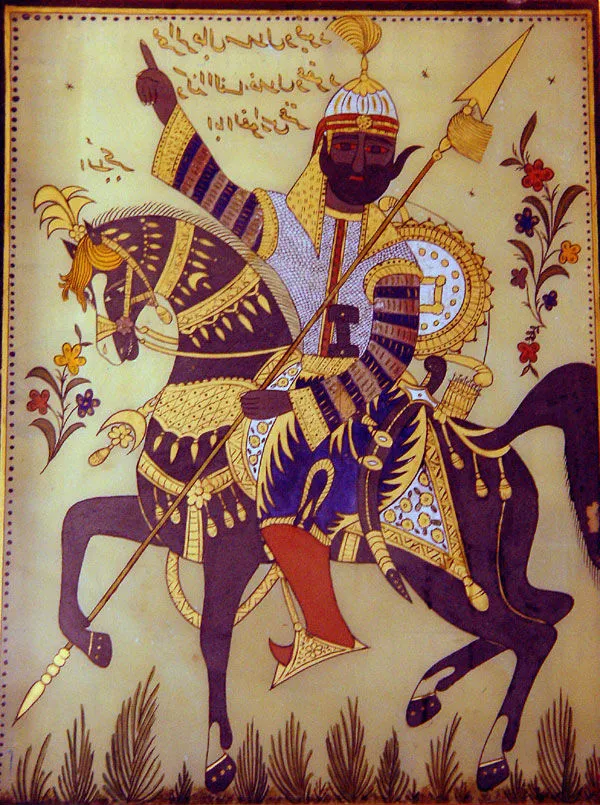
Antarah ibn Shaddad al-Absi (عنترة بن شداد العبسي), also known as ʿAntar, was a pre-Islamic Arab knight and poet, famous for both his poetry and his adventurous life. His chief poem forms part of the Mu’allaqāt, the collection of seven “hanging odes” legendarily said to have been suspended in the Kaaba. The account of his life forms the basis of a long and extravagant romance.
Forbidden Love
The story behind one of the greatest poems in Arab history
The story of Antarah ibn Shaddad, the Arabian Knight, and Ablah, his cousin and sweetheart, is a timeless love story of the Arab culture. This poem is one of the seven poems called ‘Moalaqa’ in Arabic, which means poems that you will always remember. The seven poems are considered as the greatest poems in Arabic history, and they are well known among the Arab people throughout time.
This poem consists of 79 verses. The 16 verses below are taken from different sections of the poem.
The poem :
Have poets left aught that had not before been told?
Do you now know the house you did not know of old
O Ablah’s “Jiwaa’” home, of beloved ones, do tell
Good morn, Ablah’s home! May you ever fare safe and well
Jiwaa, Ablah has chosen as a place to stay
“Hazn”, “Samman” and “Mutathallim” were our folks’ way
…
Should you, when seeing me, at once put on your veil
Know that I’m good at slaying knights in coats of mail
What you know of my good traits, you should others tell
If I am not wronged, with others I fare quite well.
But if I’m wronged, in punishment I’ll be hard and free
And as bitter as bitter-apple e’er could be
At night I took drink after hot winds came to rest
Drink bought with a coin whose condition was the best
From yellow bottle of many a fluted line
And from a white cloth-stopp’d ewer, I poured my wine
…
I kept what my uncle entrusted to my care
During battles, when tightened lips one’s teeth laid bare.
From bloody fields of death, heroes ne’er back away.
But of death’s horrors they mutter what they must say.
Tween them, and foes spears, they place me in tightest spot.
I cower not, but space to fight I have not got.
The self-urging host had advanced on us in force.
I wheeled at them straight on, and blameless held my course
…
My soul’s canker when knights to me called out
“Curses, Antara ! Advance and put them to the rout!
Steeds, scowling with horror, tear through low, pot-holed ground
Large, small, hirsute, smooth — all are to the battle bound.
Wherever I lead my camels, me they will e’er obey,
My mind e’er leads me to the straight and righteous way
I’m loath to die while the battle is still not on
With “Dhamdham’s” sons whose vengeful ire is too far gone.
Translation to Armenian: Արգելված սեր
Բանաստեղծները թողե՞լ են այն կարծրությունը, որը մինչ այդ չէր ասվել:
Հիմա գիտե՞ք այն տունը, որը չգիտեիք հին
O Աբեղայի «Ջիվա» տունը, սիրելիներից, պատմեք
Բարի մորն, Աբլահի տուն… Թող որ դուք երբեւէ ապահով ու լավ
Ջիվաա, Աբլան ընտրել է որպես մնալու վայր
«Հազըն», «Սամման» և «Մութաթաղիմ» մեր ժողովուրդներն էին
…
Պե՞տք է, ինձ տեսնելիս, միանգամից քո վարագույրը հագնես
Իմացեք, որ ես լավ եմ սպանել ասպետներին վերարկուներով
Այն, ինչ գիտեք իմ լավ գծերի մասին, դուք պետք է ասեք ուրիշներին
Եթե ես չեմ սխալվում, ուրիշների հետ ես լավ եմ վարվում։
Բայց եթե ես սխալվեմ, պատժամիջոցում ես կլինեմ դժվար եւ ազատ
Եվ որքան դառը-խնձոր e’er կարող էր լինել
Գիշերը ես խմեցի այն բանից հետո, երբ տաք քամիները հանգստացան
Խմիչքը գնվել է մետաղադրամով, որի վիճակը լավագույնն էր
Շատերի դեղին շշից ֆլեյտա գծից
և սպիտակ կտորից-դադարից, ես թափեցի իմ գինին
…
Ես պահում էի այն, ինչ քեռիս վստահում էր իմ խնամքին
Մարտերի ժամանակ, երբ շուրթերը ամրացնում էին, մեկի ատամները մերկ էին դնում:
Մահվան արյունոտ դաշտերից հերոս նե’րը ետ:
Բայց մահվան սարսափներից նրանք փնթփնթում են այն, ինչ պետք է ասեն:
Տվեք նրանց, և թշնամիները նիզակներ են դնում ինձ ամենախիստ տեղում:
Ես չեմ վախենում, բայց կռվելու տեղ չունեմ:
Ինքնատիրապետում ունեցող տանտերը մեզ վրա ուժի մեջ էր մտել։
Ես ուղիղ սլանում էի նրանց վրա, և անարատությունս պահում էի
…
Հոգուս կտուցը, երբ ինձ մոտ ասպետները կանչում էին
«Անեծքներ, Անտարա!» Առաջ գնացեք եւ տեղադրեք երթուղու վրա։
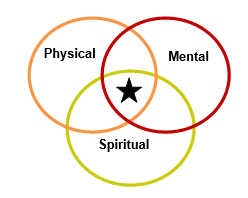
We, humans, have 3 fundamental aspects of wellness –
Physically
Mentally, and
Spiritually
All three are equally important in achieving and maintaining complete well-being.
But do we really give them equal importance?
It’s an interesting question, isn’t it?
Consider this, when people have physical problems, most are likely to go to a doctor for a medical check-up. But when it comes to mental and spiritual most people just brush that off and think its not a big deal. How many of us actually even consider the need to visit a specialist instead of just talking to our friends, family members and colleagues?
One of the problems that people face when it comes to seeking help for mental health is that they don’t know when they need to seek help. The lack of awareness is so prominent that most people don’t even understand the difference between mental health and mental illness. The two terms are incorrectly used interchangeably at most a times.
So what is the difference between mental health and mental illness.
To answer that, first we’ll have to define mental health. im going to ask this question again
What is mental Health?
You have probably heard the term ‘Mental health’ yet not many actually know what it means. Give this a thought and think of what this term actually means for you. Define it in your own words.
According to the World Health Organisation (WHO):
Mental health is “a state of well-being in which every individual realises his or her own potential, can cope with the normal stresses of life, can work productively and fruitfully, and is able to make a contribution to her or his community.”
So rather than being about ‘what’s the problem?’ it’s really about ‘what’s going well?’
It is about wellness than illness.
Mental Health vs Mental Illness
When do you think mental health is more important, when one is having some mental illness or when one is already living a healthy life?
Ideally, mental health is equally important. It goes without saying that when one is already suffering from some mental illness, one needs to visit a Mental Health Practitioner.
But for people who are already living with good mental health, it becomes equally important to develop and sustain habits that would help one to continue living a healthy life.
Both, mental wellness or health, and mental illness lie on a continuum.
Mental health is at one end of the spectrum – represented by feeling good and functioning well – while mental health conditions (or mental illness) are at the other – represented by symptoms that affect people’s thoughts, feelings or behavior.
Not everyone will be diagnosed with a mental illness, but everyone certainly has “mental health”.
Researchers have shown that high levels of mental health are associated with:
Increased learning
Creativity and productivity
More pro-social behavior and positive social relationships and
Improved physical health and life expectancy
In contrast, mental health conditions (or mental illness) can cause distress, impact on day-to-day functioning and relationships, and are associated with poor physical health and premature death from suicide.
Now let’s understand what mental illness actually is.
What is Mental Illness?
Mental Illness (MI) refers to a disorder of mood, thought, perception, orientation, and memory which can affect the overall functions of social cognition and behavior causing distress to the individual and his/ her family, this also includes conditions created due to substance abuse and alcohol.
Since we kind of understand, what mental health is let’s start off with my main topic of my project
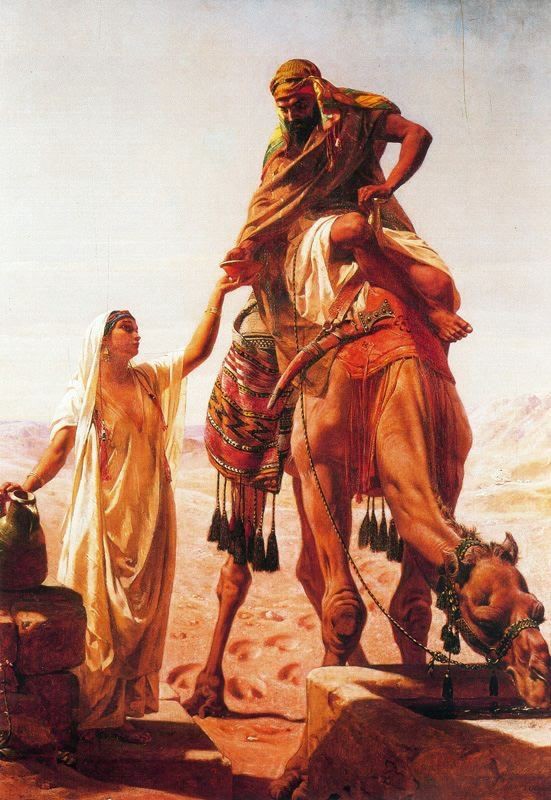
Abu Lala Mahari, the renowned poet of Baghdad, lived for decades in the splendid city of the Caliphs, Enjoying a life of luxury and delight. He sat at banquets with affluent and powerful people, debating both the learned and the wise, He cherished and assessed his companions. He visited the lands of many a nation, He saw and studied the peoples and their laws. And his discerning soul, comprehending people, assessed and hated Profoundly man and his rules. And since he had no wife or children, He gave away his entire fortune to the poor, gathered his caravan of camels, along with provisions and food, and one night, when Baghdad slept on the cypress-covered Banks of the Tigris – He departed from the city in secret…
First Surah
And Abu Lala’s caravan, gurgling softly like a spring,
Proceeded serene in the sleepy night, with bells sweetly tinkling.
That winding caravan appraised the road with measured strides,
And the melodious chiming suffused the tranquil grounds.
With ardent dreams of splendor, Baghdad slept in mellow restfulness,
In the rosebushes, the canary sang tearful songs of love’s distress.
The fountains chuckled with sprays of dazzling diamond cascades,
From the caliphs’ gleaming mansions scents and kisses pervaded the glades.
The jeweled caravans of stars wandered on stellar freeways,
And the boundless skies echoed the harmonium of eternal stars’ rays.
The wind whispered, with violets’ breath, tales of a thousand and one nights,
In sweet sleep, palm tree and cypress swayed on the roadsides.
And rolling along, the caravan rumbled forward with no backward glance,
The unknown path with myriad lures, enticed Abu Lala, stroking his dalliance.
“Go forth! Keep on going, my caravan, and walk till my days’ demise,”
Thus spoke deep in his heart, Abu Mahari, the poet great and wise.
“Go to the forlorn, desolate places, to the emerald vastness, free, pure and forthright;
Soar tireless toward the sun, and sear my heart in the sun’s heart.
“To you, oh, my father’s crypt, my maternal crib, I offer no farewell,
My soul is sore with eternal grief for paternal home and childhood’s pure spell.
“I was too fond of all my peers, and all people hither and there; whereas of late,
My love has turned to venomous viper, and my heart boils with toxic hate.
“Now, I detest that which I loved, since what I discovered in the souls of men; herewith,
In the human soul, nasty and mean, I have counted a thousand outrages and much filth.
“But above all, I hate the thousand-and-first–the spirit’s ribald falsehood,
Which adorns the face of man with the sacred halo of innocent sainthood.
“You, human tongue, who with a veil infused with heavenly scent and radiance
Cover the hell of man’s soul, have you ever spoken an honest sentence?
“Go to the desert, my caravan, to the wild forsaken, flaming borders,
In the company of beasts and rest there, under the bronzed, red boulders.
“Let me set up my tent–let me set it up on nests of scorpions and snakes,
I am a myriad times safer there, than among devious men with smiling faces.
“Or near a comrade, on whose breast I gladly rested my head once,
A comrade’s breast concealing the chasm of a fatal fall beneath a veil of lies.
“As long as the sun keeps searing Sinai’s soaring summits,
And the desert’s yellow layers form whirlpools as do mighty swells:
“I have no wish to break bread at their table, or offer humans my greeting,
I rather share a meal with wild beasts, or receive a hyena’s welcoming.
“And may predators tear me apart, flaming winds roar at me and burn –
And thus, till the end of my days, my caravan, keep going, go beyond return…”
Second Surah
And meandered that caravan through the rows of tall palm trees, Raising dust–a caravan of dust, led quietly by a fire-breathing breeze.
“Move on, caravan, what have we left behind, that nostalgia would call us back?” Thus spoke from his heart Abu Mahari, the distinguished bard.
“Have we, perchance, left back there spouse and friends, laws, rights and justice? March on! Do not stop! We have left behind only chains, restraints, lies and avarice!
“And what is woman, anyway…? An always mean, spiteful spider, devious, faithless, Who covets your bread, lying with kisses, and in your very lap, fondling someone else.
“Better brave stormy seas in a ramshackle boat, than rely on a woman’s oath; She is pimp and harlot, covert inferno–Satan speaks through her lips and tongue, both.
“You have often wished on a far, distant star, the white, angel-winged lily so light, As salve to your wounds–sustained as you reached for your delusions of a gilded life.
“You have longed for the song of the fountain beckoning you as the bright shores’ guest, And you have dreamt of eternity’s dew and sweetly wept on its heavenly chest.
“But a woman’s love offers brine to your parched soul, so that you remain ever thirsty, And in your red-hot craving–forever in thirst–you lick that woman’s victorious body.
“Oh, woman’s body, bacchanalian, serpentine–a truly satanic vessel of inequity, The bitter carnal pleasures of which can forever eclipse a soul’s sun in total obscurity.
“I detest love, cruel as death, burning, covertly maiming and mutilating forever; That poisoned wine, whose consumer is doomed to turn into slave or tyrannical master.
“I detest woman, essence of lusting, ever inseminating unbound slaughter, Inexhaustible fountain of muck and mud, covering the earth with mounds of squalor.
“Once more, I detest love and woman, with her obsequious kisses and false morality– I run away from her quagmire-mattress, cursing both her labor and her delivery.
“That dark, everlasting labor, that inundates venomous vipers’ writhing groupings, Biting each other, tearing one another to bits, desecrating the stars with toxic droppings.
“A vagrant is he, who becomes a father, who from the serene bosom of nothingness Lures the poor atom to sentience and dumps upon its head the inferno of lifelong stress.
“My father did sin against me, but I never, ever sinned against anyone.* Let this, my last testament, be inscribed on my tombstone–if ever I do find a niche!
“As long as the deep blue sea keeps hugging the cerulean shores of the Hejaz, I shall never turn back to woman, ever; I shall never miss her fake charisma and wiles.
“I shall gladly hug the needle sharp thorns of a wild prickly cactus and kiss them deep, And rest my weary head on the warm bosom of burning rocks, and weep.”
And, with a soft murmur, the caravan engaged the road, twisting and weaving with grace, Flowing ever forward, towards the golden distance in a serene, relaxed pace.
The bells seemed to wail as if shedding sonorous tears, note by note, drop by drop, The caravan, as well, seemed to grieve gently, that which Mahari had loved and dropped.
And the flutes of the breezes softly caroled eastern love-songs, so sad and moving, Lamenting the wounds of love, the demise of heartrending dreams, all beyond yearning,
And Abu Lala pondered somber, of his profound sorrow–endless, not unlike eternity, Not unlike his meandering road, twisting and swaying, ever extending into infinity.
Woven into the boundless fabric of his path, night and day he suffered silently, His searching gaze at unseen stars, his suffering soul full of bitter bits of memory.
And he never looked back at the trail he covered, no regrets for things left behind forever; He answered no greeting–neither did he greet caravans encountered on the way, ever.
Third Surah
And Abu Lala’s caravan, gurgling softly like a fountain,
Advanced, slow and at ease, beneath the moon’s retiring reign.
And the moon, like the chest of a young pixie of paradise, spry, dazzling,
At times modest, hid behind clouds, then came out bright, blazing!
Sweet-smelling flowers were asleep, among diamonds, lavish trimmings;
Rainbow-shaped birds fussed over each other with tender cooings.
Winds with violet-scented breath, whispered tales of a thousand and one nights,
Along the road, palm trees and poplars in deep, sweet sleep, swayed like kites.
Listening to the chatter of the wind, Abu-Mahari spoke without making a sound –
“This world could be a crafted miracle, a tall tale with no beginning or end, bright, profound;
“And who has woven this majestic saga, studded with stars and miracles that endure,
And who is telling it in numerous styles, tireless and dauntless, with such charming allure?
“Nations have come, nations have gone, and never understood its significance;
Poets have grasped a bit of it, and keep stammering its timeless refrains.
“No one has heard its beginning, nor shall anyone ever hear its end, and
Each refrain lives endless centuries, each refrain knows no beginning, nor an end!
“But for each newborn, this splendid legend is narrated all over again,
It restarts and comes to an end with the lives of each and all men.
“Life is but a dream, the world a mere tale, nations, generations – caravan in motion,
Which in legend, along with live dreams, rushes unseen towards perdition.
“Deaf and dumb people, bereft of dreams, without hearing this triumphant tale,
You snatch morsels from each other’s throats, turning this world into a horrendous hell!
“Yoke and whip, a web with no exit, woven by a disordered spider, constitute your laws,
With the venom of which you poison the nightingale’s song, the reverie of the rose.
“Pitiful people! Your mean hearts shall turn to dust, along with your malevolent actions,
And the hand of time, indifferent, shall wipe and erase your depraved intimations.
“And the blowhard wind shall smash your bones on rocks and stones, forevermore,
You, ever unable to appreciate this enchanting dream, this golden folklore.”
Bejeweled caravans of stars wandered along boundless heavenly highways,
And the endless firmament pealed with the ever ablaze, regal harmonium of the skies.
The entire creation was filled with an endless, magical performance of heavenly throngs,
Lost in reveries, with all his soul he listened, uplifted, to the sublime songs.
“March on, caravan, weaving your mellow murmurs with the heaven’s luminous hum overhead,
Cast my woes to the winds, walk into the loving lap of nature, and don’t turn your head!
“Take me to a light-garbed, lonely alien shore, on distant, remote, ever-detached shorelines,
Holy loneliness, thou, my oasis, thou, ever-flowing source of invigorating aspirations.
“Skies of silence, converse with me in the language of your stars, and soothe my soul,
Salve my soul, injured by the world – my man-mauled, weary, wounded soul.
“Inside me burns an insatiable yearning, a compassionate heart, forever crying,
And in my soul, there is a resplendent dream, and holy tears, and love everlasting.
“My spirit is free, I can’t ever tolerate over me the rule and decree of any power,
No law, no fate or boundary – whether evil or benign – no judgment and decree, ever.
“There can be no hegemony whatsoever over my head, not a single privilege,
And all that is outside my will or disposition is penitentiary, slavery, and bondage.
“I want to be totally unchained, debt-free, atheistic, anarchistic, unrestricted;
My soul yearns only and only for great freedom, boundless, unlimited.”
And the caravan mended forward, while above it shimmered all ignited
Like jewels, those ever glittering eyes – the stars with youthful smiles, untethered.
And the twinkling sparks of the golden stars summoned him affectionately,
Flooding his spirit with a thousand crystal chimes’ sublime harmony.
The road shimmered with the enchanted glows of the sapphire distance
And the caravan kept pace, swaying to and fro, headed to that sapphire expanse…
Forth Surah
Like an enormous, ominous black bird, the awesome night spreads its two endless wings,
And both descended on the caravan, the road, and the infinite fields, like an awning.
And from horizon to distant horizon, the skies filled with clouds in darkest distress,
The stars and the moon no longer gleamed; it seemed like blackness ensconced darkness.
And the mighty winds wildly raced, like an untamed, unbridled stampede of stallions,
Conjuring currents, raising and mixing with the clouds earth and dust of the scorched environs.
And in deadly distortions they crashed and screamed in a thousand and one sounds,
Like mortally wounded beasts, they growled, hollered with the very wail of the winds’ howls.
Contorting in narrow gorges, twisting and meandering through spacious woods of palm trees,
The wretched winds emitted moans and groans, sounding like a lamenting heart’s entreaties.
“Go, caravan, advance undaunted against all winds towards the very edge of the earth!”
Thus spoke to himself, Abu Mahari, the renowned poet, from the depths of his heart.
“Crackle over my head, heedless gales, conflagrate and detonate around my head!
Here I stand tall before you, with my head high, I do not kowtow to fear—smite my forehead!
“I shall not return to debauched cities, where the deafening din of sins rises high and spills over,
Those capitals of blood and gore, where ferocious man fells his fellowman asunder.
“My homeless head, you will never return home, since you disowned your own ancestral house.
Woe onto him, who owns home and hearth, shackled at the gate of his house like a hound.
“Assail, mighty winds! Sack my father’s house and bring it down to dust to its foundations broad,
And scatter its dirt to the four winds—for henceforth, my only home is the endless road…
“Hereafter, loneliness is my love, the stargazed firmament—my lone paternal tent;
Now, the caravan is my companion, and my comfort, my solitary route, unbroken by intent.
“You, conjurer of a road, my new homeland—forever concealed, eternally enchanting,
Abduct me, take my ever-wailing heart there, where no human has ever set foot, wandering.
“You must ever be alert in the presence of men, always on your feet and sword in hand,
Lest they violate you, and tear your friends—and foes alike—to bits, before you can take a stand.
“Lead me far, far away from friends, who, like a blood-thirsty swarm of insatiable mosquitoes,
Keep you company when your veins are full, but disdain you the moment the blood no longer flows.
“Who would have inflicted my deepest wounds, if it were not for so called friends, cohorts all?
They wormed their way into my heart with tender embrace, and with toxic kisses stung my very soul!
“Ten thousand lies and fibs contaminate the very core of each human kiss, the kiss of companions,
With which are ensnared the secrets of your heart, turning you into a prisoner for endless eons.
“What is a friend, or a companion, if not deceitful, covetous, greedy, cowardly, and craven?
A firmament of love died in my soul, a blazing sun of ardent faith, hope, and charity even.
“What, really, is a friend? Envious of your success, spying on your steps, an avaricious gossipmonger!
Familiar dogs do not bark at you; only people who know you well, growl and howl at you louder.”
Wanton winds mocked and laughed like malevolent banshees at Abu Lala’s downcast demeanor.
They cackled and chortled, clapping loud in mock cheer and pulling and tugging at his cape in ardor.
Hanging from the flapping folds of his robe they raised clouds of sand around Abu Lala’s face,
Picking up and blowing handfuls of dust into his eyes, they severed the thread of his thoughts…
Fifth Surah
And the caravan, confidently breaking through the jinns’ ferocious twister-dance’s spells,
Straight and fearless, kept forging onwards in rhythm with the tinkling of its disturbed bells.
“What really is a companion…?” continued deriding Abu Mahari, with wrath and ill intent,
“I fed vile snakes in my gracious lap; spread your wings my caravan, my most intimate friend!
“And wherever you go, go the same way and keep going, heed no road marks—none at all!
My upright road, lead me onward, misplace me, let me snap and agonize unbeknownst to all.
“And what have we left behind? What is back there, to lure us back again with an illusion?
Glory? Treasure? Privileges and power…? Fly! Fly farther and farther away from all intrusion!
“And what, pray, is glory? Today, men may raise you way, way above all the highest roofs,
Tomorrow, the same men will drag you down to the ground, to be trampled under hoofs.
“And what are honors bestowed by men—the mere result of lure of gold, or fear of disdain.
The minute you slip, dust under your sandals becomes a big man, treating you as a villain!
“And what is a treasure, with which the buffoon retains men—even genius, and affection?
None other, than the drained blood of multitudes, flesh of the dead, tears of the orphan.
“I despise the vulgar rabble, it is the great witless, and the very element of wickedness,
Oppressor of spirit, anchor of oppression, and a monumental monster of mindlessness.
“What is society? An enemy army, and the person therein, a slave with chains beyond sight!
When—if ever—has it tolerated a soaring soul, or a majestic thought’s unfettered flight?
“A ghastly gathering, a strangling noose; for all that it’s worth—a horrendous, stinging crop,
A pair of enormous shears that shear one and all in the very same manner, swift, non-stop!
“What is law? Ordained by humans, that merciless sword of uncouth wielders of power
Hanging over powerless heads, beheading the humble, guarding the potent now and ever.
“I say, seven times seven, I detest, abhor authority—that devouring ogre of generations,
Greedy usurer, insatiable scrounger, ever concocting wars and promoting destruction.
“And I curse the powers that be, with their thousand claws of a horrid pack of hyenas,
Each step—a blood-thirsty scythe mowing down, in blind fury, both young and hoary.
“Stupid people, slavish, spineless—who in hell gave to the likes of them swords and spears?
Who gave them the right to mete out vengeance, to rule, to slay and slaughter their peers?
“Take me hence, caravan, and hand me to vipers, bury my shattered heart beneath the sands.
Take me! Save me from authority; set me free from under its hideous canopy’s strands.”
Frenzied bolts of flashing lightning were tearing apart dark, menacing clouds’ columns,
And, in stunning speed, smashed to smithereens against the slopes of distant mountains.
And the mighty gales rumbled; trembling, palm tree and cypress clattered, cracking
As the caravan in a hurry, ran at great speed, galloping, sprinting in a mad dash, flying…
It tried to sprint and soar in its flight, rushing and raising vast clouds of dust on its path,
As if it ran away from the frightful fist of the powers, from their rancorous wrath…
Sixth Surah
“And in the angry sun of the midday there was a strong smell of my napkin and storm, and the caravan was lost in the dust, walking slowly, tired, sweaty.
Fly, caravan, storm, and storm, enter into the bosom of the sand; – So Abu Mahari, the great poet, spoke in his angry heart.
“Let the flame of the wilderness come against me, and erase my traces from the sand, that man may never find my place, that the air which I breathe shall not breathe.
Behold, the shack lions look into my eyes from the yellow straws, and I see them whose wind strips lightning from their golden skins.
Come, I call, I am not the fugitive. Come, wash my heart wounded; I will never go back to man; I will not knock on the door of man.
What are men? masked devils, teeth, neglected sticks, hooves, and catchers, and their tongue is poisonous swords.
And who are the people? The flock of foxes, the selfish innocent, the denialist, the betrayer, the joy of the fallen, the bloodshed, the beast of the infant, and the skull, and the skull.
In poverty, sucking, selling, misery, cowardly, treacherous, in riches, filthy, evil, and vengeful, and arrogant.
The good is sacrificed for the bad, and the bad and evil swallow, torment a handful of good in this bad world, and the weeds grow in the field of life.
I curse you, distant men, your evil and your good, your religions, who fight only chains, and hammers of slavery.
A living world where mighty gold makes a thief honestly hopeful, Apushi is a genius, a coward, a cute, ugly, beautiful, and a prostitute, a virgin.
The human world, the bathroom of blood, where the weak and mighty are righteous, wherever man is sad, something in this disgusting world is merely for matter.
Only for profit, always captive to profit, a godlike paw, behold, man always—an image of God, but indeed an abortion.
Having taken one to one countless steps in my caravan, my innocent journey, countless steps do not reach the size of a man’s crime in one day.
I say, behold, to the east, to the north, to the south, and to the west, whose winds are heard in conjunction with each other, my righteous word.
Take away my words, that they may hear the sea worlds from the seas, O worse, be abhorrent than man is cruel—that man is new.
For as long as the stars blink unquenchably in the silent wilderness, and the sand, breathing, and screaming to such serpents—
Flee, caravan, feasts of this fornication, from falsehoods, oppression squares, and filthy markets of sale.
Flee from the community, escape vengeance, bloody justice of men, flee from the woman, love, friend, breathless flee from the shadow of man.
Go, caravan, thou shalt strike under thy abbeys, trample thy law, right, and cover evil and good, or authority with the dust of thy ways.
“And let the tiger and the lion tear me down, and the flaming winds shall crush me—And thus, to the end of my days, my caravan, go and go…
Their bow’s necks, like strained arrows, Zill ran, and left an unbroken caravan of dust from their footsteps.
Zil ran through the jealous fields toward the unknown, to the distance, and scattered the fields, and the valley, and the vineyard.
It was as if he were fleeing in fear quickly without a haven, Abu Mahari, as if the law, the woman and the community were following him.
And the caravan passed under the pyramids, filled with bread and passion.
He ran hastily, near villages that had been stuck for centuries in ignorance, ran, sank into the distance with the uncontrollable thirst of the golden star.
The caravan poured out the path of twisted and lost days and nights, and in a tumultuous spirit Abu Mahari pondered a wrathful, orchid forehead.
The cholesterol caravan, covered like his arms, swept away with the devil of finding a light—a haven.
“And he wept without tears, and his sorrow was as unfailing as his way, which rolls like an unbroken serpent, and hath no end.
And he did not look back on the past journey, and he did not regret the past. He didn’t greet the caravans coming and passing.
Seventh Surah
And the caravan kneeled down near the Darbas of the great Arabian desert of Abu Lala.
The horizons were set on fire on their deserted, free shores, and darkness gathered the skirt in velvet, and the flames blew into the sky.
“And Abu-Lala sat alone, leaning upon the anti-inflammatory rock, sinking his eyes into the temporal distance, and peaceful and bright, peaceful, soul peaceful.
– Oh, how free I am, invincible free. Can this great slide be encircled, embrace my freedom in its purple, infinite?
No human eye will see me, no human arm will reach me. O liberty, thou art the fragrance of the beautiful roses of Paradise.
Thou hast crowned me with thy roses, and light thy torches in my soul. O freedom, thou art a paradise light—the immortal Al-Cora of the bubbles.
Beautiful, thou art a golden world of wisdom, a thousand greetings unto thee, a pure duck, where man hath not been swallowed up, blessed be thou blessed.
Spread out the yellow seas of thy sand upon the nations, and cover all men, and shoes and shelters, and villages and profits, and markets, and swallow.
Let freedom with thy dragonfly wind take away the world of thy throne, and the golden sun, the freedom of the world.
With thousands and thousands of miracles and volcanic seductions, the sun came out with splendid, luminous, rosary, and myriads of mercury.
“And in the torch of the noble sun spread, and the purple spread into the wilderness, and the bright and bright sword, like the golden fur of the great Titanic lion.
– Salam, sun, shadow crystal, thou art mighty of God, thou art the source of life, thou art my immortal mother, thou art the only good, thou art the only holy, holy.
Thou art a glass of gold drunkenness and happiness; thou art the fiery ocean of delight, the fire of the seductive wine.
A thousand cosmic exhibitions thou art a great feast, a good sun, behold, my soul—a thirsty bud, pour out thy wine in it.
In thy happiness, in thy wisdom, drunk me with thy eternity, give me the unfathomable forgetfulness of the past, light from thy fragrance in the bridges.
Drink me, drunk me, drunk me with thy immortal wine, forget man, lies and darkness, forget eternal evil and sorrow.
Drink me with thy majesty, drink me with light—admiration, an invincible adversary against the darkness, the mother of the spring, a sea of joy.
Thou art the only good, thou art my only love, thou art only holy, holy, motherly, thou art eternally merciful, sinking death, thou art the only beautiful.
I love thee, I love thee, kiss me with fire, stab me, and thou shalt spread thy golden hair upon me, and cherish me.
“And bloody my lips with thy kiss thy fire, happy thy light—open thy bosom, I fly in love unto thee.
“And let my ears be swallowed up, I will not hear the noise of the world forever; I will be blind to the world forever; I will not look back to see men.
Fly to the sun for centuries and centuries, and slide, an honest caravan, His lights, his flames, that I may sun and eternity.
Oh, my mother—the sun, stretch thy golden purple upon thy shoulders, that I may sword in thy glory, swallowed up in thy glory.
Thou art mighty of God, thou art my only mother, thou art thou kind, thou only holy, holy, thou art miraculous, only beautiful.
Last Surah
“And the camels, as golden canoes, swept into the sea,” quickly sliding into the flaming, bright distance.
“And in no sam could reach their campaign with a magnificent wing; their flight could not reach the wild Bedouin of the arrow.
The cool pillars of the Wahadi’s brought thirst for bright Cassidie’s, and the milk springs dreamed of their virgin heart.
“Lorquiana” ballet was created with the influence of Federico Garcia Lorca’s genius poetry. “The whole poetry of Lorca is an undying and passionate dance for me, dance of mind, feeling and imagination”, – said Marc Mnatsakanyan, the author and director of the libretto of “Lorquiana”.
About the ballet
Beautiful Soledad is shocked by the death of her beloved man. Forty days of mourning are passed, but she can’t forget dead Youngste, can’t take off her black dress as a lonesome women forever.. But lite doesn’t abide with death, persistently calls Soledad.
She sees the sunrise, gets involved in the happiness of young men hears clear voices, which formerly call her to sing and dance. Ad She takes off her black dresses and starts to dance unselfconsciously making efforts to find oblivion in its frantic passion.
My experience
This was my first ballet and i very much enjoyed it. The way the story involved was very interesting and it wasn’t the classical ballet i was thinking about. Classical ballet meaning point shows the tutus. It was very interesting although i was sad that it was short i really did enjoy it. After the show we met one of the main dancers herself and it was very cool. My experience of this ballet is very positive and to be honest there was this particular dance move that was stuck in my head and i kept dancing that move. If you ever have the chance to watch this ballet i would defiantly recommend it.
I have many favorite protagonist or protagonist i relate to. I chose Spencer Ried
Spencer Reid is a character from criminal minds .
Let me give you a heads up about criminal minds before i start talking about this character more.
CRIMINAL MINDS is an American police procedural drama that differs from many procedural dramas by focusing on the victims and the criminal rather than the crime itself. CRIMINAL MINDS revolves around an elite team of profilers from the FBI’s Behavioral Analysis Unit (BAU) at Quantico, Virginia.
About the character
Dr. Spencer Reid always prided himself on being objective and neutral, despite his omega status. Suddenly, he had no control over anything anymore – his body, his mind, or his instincts.
Socially awkward, but endearingly so, Reid brought considerable brainpower to the Behavioral Analysis Unit. And who can forget his interactions with femme fatale Cat Adams (Aubrey Plaza)?
Dr. Spencer Reid, often called the “boy genius” by his colleagues, became a fan favorite not long after “Criminal Minds” first hit the
he used to be a side character but became a protagonist later on.
Antagonist
So the same with antagonist i have many favorites and ones that i relate too. But the antagonist i chose is Morozumi from the movie character 2021
Since not a lot of people know about this movie let me present the plot
Plot
Follows an aspiring manga artist named Keigo Yamashiro who dreams of making it big. Yamashiro is extremely talented, but what holds him back is his inability to create any villains due to his overtly cheerful personality. Due to this he is currently stuck in the position of being an assistant to a manga writer. One day Yamashiro receives an assignment from his boss to visit a home and sketch the family living there. When Yamashiro arrives at the house he finds all four family members dead, and a mysterious man. Startled by the incident, the unknown man makes his escape and Yamashiro calls the cops. When questioned by police Yamashiro lies and says that he did not see the murderer, he does however use the murderer as a villain for his own manga titled “34”. The manga series becomes a surprise hit and Yamashiro quickly becomes a top star in the manga world. However, murders extremely similar to incidents in the “34” manga begin to happen in real life, and Yamashiro is soon confronted by the mysterious murderer.
About the character
I would like to dig deeper in the story so you can understand this character
Yamashiro becomes a victim of “wrong place-wrong time” when the house he decides to sketch becomes the scene of a murder. He also sees the killer. But when Yamashiro is questioned by the police, he claims he did not see the murderer. Instead, he keeps that information to himself and uses the murderer as a villain for his own manga “34.”
Fast forward to a year, and Yamashiro seems to be thriving. He becomes a top artist with the success of his manga, and he now lives more luxuriously with his fiancée. However, he’s confronted with his mistake from last year when a series of murders follow the same scenarios as the ones he drew from his manga.
When i first watched this movie i was very confused but watching it again and seeing how Morozumi is made me understand how sadistic he is in a way i understand what he was doing its which is weird. Honestly by far one of my favorite antagonist i don’t know why but yea plus i just love this movie and i love the story and the characters
So for this project i chose to make my presentation about Us crime and punishment. Since I’m very interested on how they’re criminal justice system works.
Match idioms (1-10) with their definitions (a-j). 1. fair-weather friend – someone who doesn’t help when a friend is in trouble 2. I’m feeling under the weather– I’m sick 3. snowed under – very busy 4. breeze – it’s easy 5. save smth for a rainy day – be prepared for possible problems in the future, usually by saving money 6. full of hot air – talking a lot but never doing what one says 7. Get your act together – you need to improve your behavior/work 8. Pull yourself together – calm down 9. It’s a piece of cake -something really easy for a person to do 10. Break a leg – good luck!
Read the definitions carefully. Start with the words you know.
offensive
say sth causing so to feel upset, annoyed
stick to
continue doing, using, saying, or talking about it, rather than changing to something else
anti-vaxxing
reluctance or refusal to be vaccinated, opposition to vaccines and vaccination
devolve into
pass into
seize, obtain
come to realize
become aware or conscious of sth
compromise
an agreement or settlement of a dispute that is reached by each side making concessions
competence
the ability to do something well or effectively
crap
nonsense, rubbish
walk through
rehearse (a play or other piece), reading the lines aloud from a script and performing the actions of the characters
multitask
deal with more than one task at the same time
pontificate
express one’s opinions in a pompous and dogmatic way
pushback
a negative or unfavorable response
pundit
an expert in a particular subject or field who is frequently called upon to give their opinions to the public
food stamp
a voucher issued cheaply by the state to those on low income and exchangeable for food
assume
suppose to be the case, without proof
cue
a signal for action
go with the flow
be relaxed and accept a situation, rather than trying to alter or control it
brag
say something in a boastful manner
weed
a wild plant growing where it is not wanted and in competition with cultivated plants
pushback, assume, devolve into, crap, walk through, competence, food stamp, compromise, cue, stick to sth, grab, say sth offensive, brag, pontificate, anti-vaxxing, come to realize, go with the flow, multitask, weed, pundit






 ԱՐԱՔՍ ՔԱԼԻՋՅԱՆ