Posted in English

Essay about f1

In the realm of motorsport, Formula 1 stands as a beacon of speed, innovation, and unrelenting competition. Since its inception in 1950, Formula 1 has evolved into a global phenomenon captivating millions of fans worldwide. With cutting-edge technology, awe-inspiring athleticism, and a rich history, Formula 1 is not just a sport but a spectacle that transcends borders and cultures.

At its core, Formula 1 is the pinnacle of motorsport, characterized by the fusion of advanced engineering and unparalleled skill. The sport showcases the finest racing talents maneuvering sophisticated, high-performance machines on circuits that span the globe. Each race weekend unfolds as a dramatic saga, where drivers push the limits of human capability while teams meticulously fine-tune their cars for optimal performance. One of the defining features of Formula 1 is its relentless pursuit of technological advancement. From aerodynamics to hybrid powertrains, Formula 1 cars represent the zenith of automotive engineering.

Engineers and designers labor tirelessly to develop innovations that enhance speed, efficiency, and safety. The result is a symphony of carbon fiber, titanium, and high-tech components, engineered to deliver blistering speeds and razor-sharp handling. At the heart of Formula 1 are the drivers, modern-day gladiators who possess extraordinary skill, courage, and determination. These athletes push themselves to the limit, both mentally and physically, as they navigate treacherous corners and battle wheel-to-wheel at speeds exceeding 200 miles per hour. Behind the wheel, they demonstrate split-second decision-making, lightning-fast reflexes, and unwavering focus, making every race a test of nerve and skill.

Formula 1 is also a battleground for teams, each vying for supremacy in the relentless pursuit of victory. Behind the scenes, teams deploy armies of engineers, mechanics, and strategists, working in unison to extract every ounce of performance from their cars. The competition is fierce, with rivalries that span generations and iconic teams with legacies etched in the annals of motorsport history.

Formula 1 is more than just a sport; it’s a global phenomenon that transcends borders and cultures. From the historic streets of Monaco to the modern marvels of Abu Dhabi, Formula 1 races take place on some of the most iconic circuits in the world. Each race weekend attracts throngs of passionate fans, creating an electric atmosphere that pulses with excitement and anticipation. Beyond the thrill of competition, Formula 1 also serves as a catalyst for innovation and progress. Many of the technological advancements pioneered in Formula 1 find their way into everyday automobiles, driving improvements in safety, performance, and efficiency. Moreover, Formula 1 serves as a platform for social change, promoting diversity and sustainability initiatives that resonate far beyond the racetrack.

I have always had an interest in this sport but was too shy to talk about it since most people find f1 to be boring but i enjoy watching it the thrill to see how the drivers go head-to-head for the trophy is really interesting.
In the fast-paced world of Formula 1, speed, technology, and passion converge to create a spectacle unlike any other. From the roar of the engines to the nail-biting finishes, Formula 1 captivates audiences around the globe, uniting them in a shared love for the sport. As the sport continues to evolve and push the boundaries of innovation, one thing remains certain: Formula 1 will always hold a special place in the hearts of fans everywhere, a testament to the enduring power of human ingenuity and the pursuit of excellence.

Posted in English

My winter camp expirience

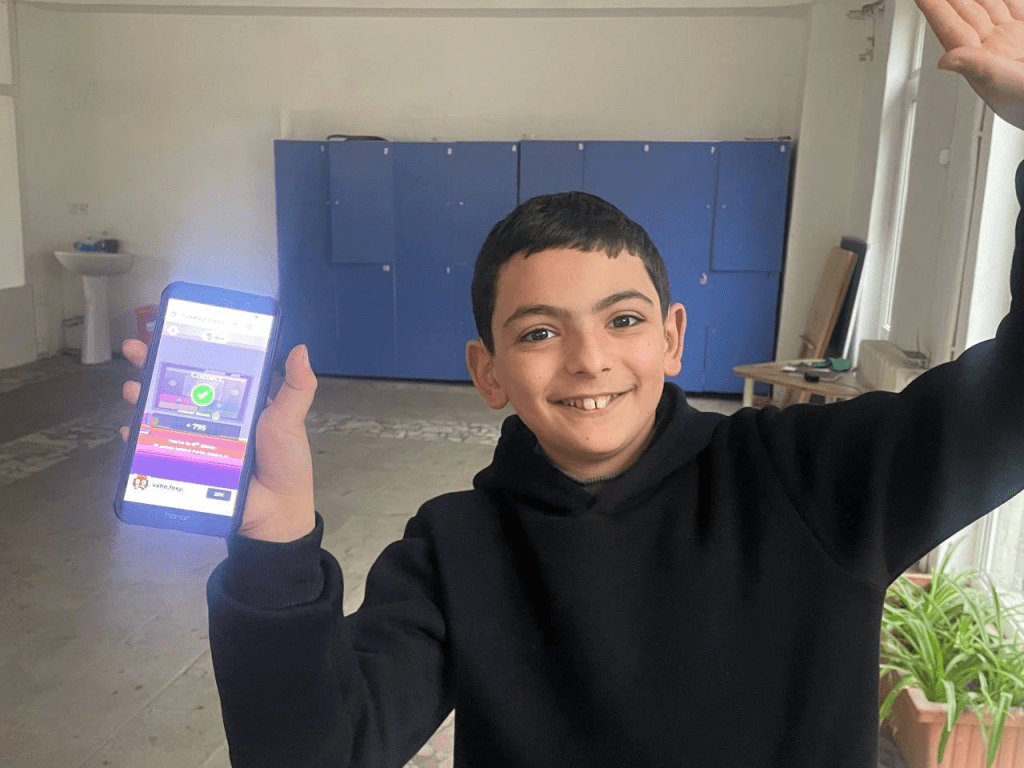
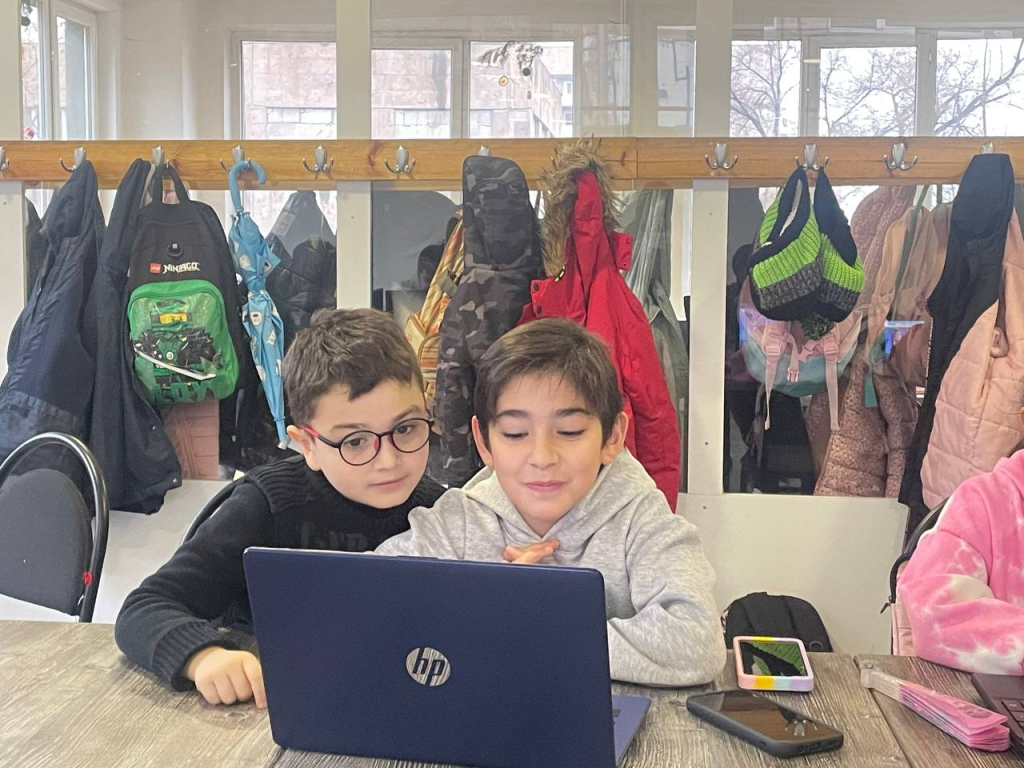
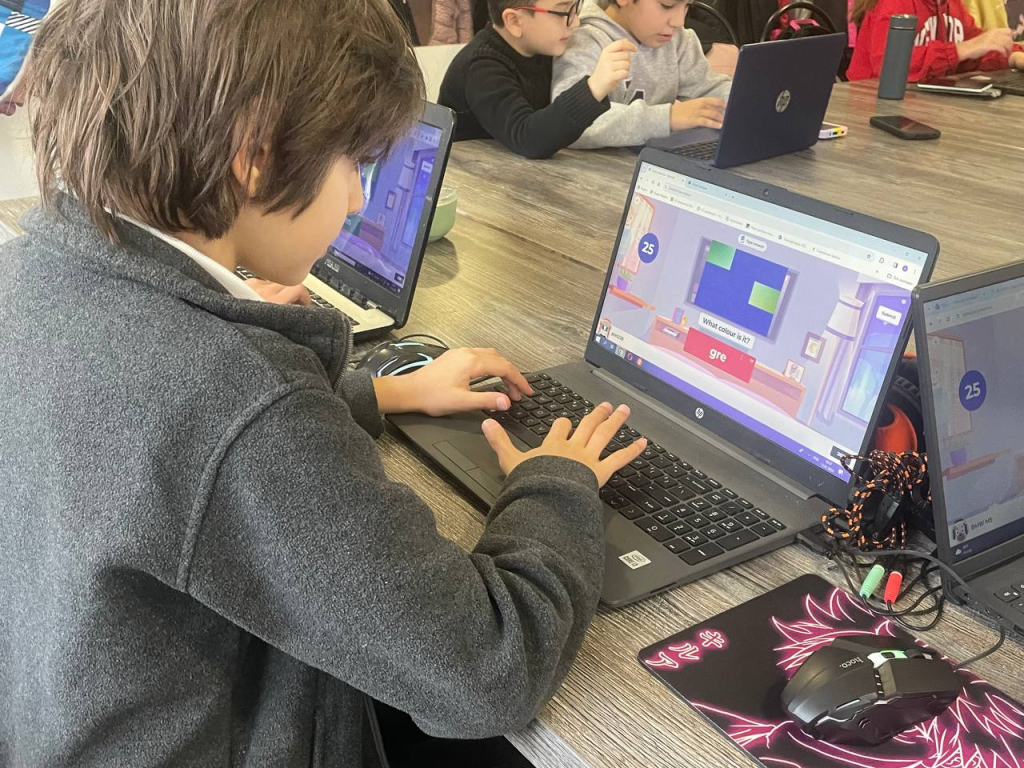
This year wasn’t like the others. As a senior my winter camp experience was very different from what it was before. This year instead of joining the camp like others we were supposed to teach children. I was skeptical at first, but it turned out to be a very enjoyable experience. We were assigned to teach 4,5 graders. My groups project was to teach children the English language. When we were first mentioned about this assignment in the back of my mind i was thinking when it’s all going to be over even though it hadn’t even started. The first day was very hard because i had entered the classroom with bad expectations i really wasn’t in the mood for it but week by week the kids started to get use to us and i got use to them i started to enjoy doing classes with them. Let me dive in into the specifics our project was radio theater. Each week we had the kids read something like a conversation or a short story by doing that they started to learn the language and it was overall a nice time. We played a lot of Kahoot with them and they really enjoyed it overall i it was a very good experience and now i can really confirm that teaching is not for everyone you have to have the patience to do so.

Recordings of the kids

The little mermaid

Ollie with the puppy

Conversations 1, 2 ,3,4

Posted in English

English with graduates

 Անգլերեն. Սովորող-սովորեցնող նախագիծ

Նախագծի հեղինակներ՝ Լուիզա Արտենյան,Արաքս Քալիճյան,Ամալյա Զաքարյան

Կարինա Արմենակյան,Հանիա Ստեփանյան։

Նախագծի իրականացման վայր` Հյուսիսային դպրոց-պարտեզ

Ժամանակացույց` հունվարի 8-26, երեքշաբթի/ուրբաթ 1-2
դասաժամեր:

Նախագծի նպատակը`

  • Սովորողների մոտ զարգացնել անգլերեն լեզվի կիրառական հմտություննեուի պաշարը:
  • Մատուցել լեզվի ուսուցման ինտերակտիվ տարբերակներ:
  • Զարգացնել բառապաշարը, բանավոր խոսքը
  • Զարգացնել բեմական խոքսը, ճիշտ արտասանությունը

Նախագծի ընթացքը

  • Աշխատել արտասանության վրա
    Պատրաստվել ձայնագրության
    Բաժանվել 2 կամ 3 խմբի
  • Պատրաստել հետաքրքրական Ռադիո թատրոն :
  • Անգլերեն լեզվով Kahoot-ծրագրով  ուսումնականխաղերի կազմակերպում: 

Posted in English

Non-formal education (translation)

The source

All of this is understood to be a preceding instruction—the training of the grammar for the transportation and understanding of the series, and the music training for spiritual songs. The teaching of various rituals, such as weddings, Passover, Tyarnadze, trees, roses, and other rituals, is also essential. And the practical implementation of all of this is preceded by the teaching of the appropriate learning materials.

Media Fridays. These too are weekly, consistent and preliminary programs. Media Saturdays are a type of curriculum—school-college, parental collection reporting, unity, strength, adoption of authoritative program, and non-deviation. During this time, the curriculum is presented in advance, distinctive, and impressive to a wide variety of audiences. Student clothes, music, Song and dance, interesting, unexpected solutions to the program’s presentation imply a fairly large, serious, time-consuming work that students and teachers of the program participate in.

Round tables—round tables are constantly accompanying our prestigious curriculum. Round tables are organized during tests, festivals, and various gatherings. they’re systematic and teachers, and the learners. In both cases, the main role is for learners. they’re conducting discussions, through videos, websites, and presentations. Understandably, they are being prepared in advance, cultivated and present, discuss formats, round-table organization details, and so on. In addition to teaching, these formulate organizational skills that are less important to the future work of the learners.

Meetings with intellectuals—meetings with a wide variety of intellectuals are part of our authoritative educational program. A teacher has an important task in organizing a learner’s curriculum, but this cannot and is not limited to classroom training. Meetings with various intellectuals, writers, public figures, and cultural figures in a variety of fields while the meeting is read and studied— introductions provide an important educational environment. Sometimes students arrange for themselves, form academic packages, and offer other students the way they meet, the content, and perform various organizational work.

This non-formal education list can continue: exhibitions, exhibitions, a variety of school camps, summer/, social projects, drama, music, Reading clubs, self-education… So non-formal education is constantly diverse, that it is also about the development of preferences, and that it does not compromise civilization and efficiency is quite high.

You can find the first part here

Posted in English

Debate topic “Euthanasia”

Since our debates topic is about Euthanasia let us first understand what it actually is. Euthanasia refers to the practice of intentionally ending a person’s life to relieve suffering, typically due to an incurable illness or severe disability. It can be classified into different forms:

  1. Voluntary Euthanasia: This occurs with the explicit consent of the individual seeking to end their life. The person may be suffering from a terminal illness or intolerable pain and requests assistance to die.
  2. Non-voluntary Euthanasia: This happens when a person is unable to provide consent, perhaps due to being in a coma or having a severe cognitive impairment. In such cases, someone else makes the decision on their behalf based on prior wishes or best interests.
  3. Involuntary Euthanasia: This is performed against the explicit wishes of the individual. It involves ending a person’s life without their consent, which is often considered ethically and legally unacceptable.

Laws regarding euthanasia vary significantly across countries and states, with some permitting certain forms of assisted dying under strict conditions, while others have strict bans on any form of euthanasia or assisted suicide.

Since we now know what the topic is kind of about. This is my opinion on the subject. I would first of all like to say that It’s a complex and sensitive issue with no easy answers. Now I don’t think that euthanasia is bad or harmful to anyone in some cases i think that it needed, and it does end the suffering of many people. There are many pros and cons to this. Let me start with the pros.

Pros

As i mention before it does end the sufferings of many and although it is a very hard decision a lot of families and individual’s do think it’s a better option then letting their beloved or themselves suffer that much. Some people are tired from their suffers and just want to end it and this is medically the best option for them in my opinion. The principles of autonomy, compassion, and alleviating suffering, presenting euthanasia as a compassionate choice that respects an individual’s autonomy over their end-of-life decisions. However, it’s important to note that these pros are often countered by various ethical, moral, and practical concerns raised by opponents of euthanasia.

Cons

Opponents of euthanasia raise several arguments against its legalization, highlighting various ethical, moral, and practical concerns. Many argue that intentionally ending a person’s life, even in cases of terminal illness or extreme suffering, goes against the sanctity of life and ethical principles. Mistakes in diagnosis or prognosis are possible, leading to the premature ending of a person’s life. There might be situations where individuals who could have potentially lived longer or had alternative treatment options are mistakenly deemed incurable or terminal. There is also the using euthanasia as a murder weapon. It might sound weird and confusing at first but sadly there have been cases where doctors have used their advantages and have killed the vulnerable with euthanasia. It is very sad that these situations happen. These arguments against euthanasia often stem from concerns about preserving the value of life, protecting vulnerable individuals, maintaining ethical standards in medicine, and ensuring that alternative options for end-of-life care are adequately explored and available.

Conclusion

In conclusion, to come up with an answer for this topic is quite difficult even when taking into consideration the pros and the cons. By looking i can see that there are more disadvantages then advantages it is very difficult because Euthanasia can be a good thing if used correctly but can be very unfortunate if it is used with advantages or careless errors. I am very excited for our debate to understand what my classmates think and to understand how we can find a solution for this problem.

Posted in English, Հայոց լեզու 12, Թարգմանություն

Մուշեղ Գալշոյան թարգմանում «Սպասում»

ՍՊԱՍՈԻՄ

Komitas came out of the hotel, raised the coat collar,put his hands in his pockets, and walked fast and lightly . It was the middle of December. The cold was whimpering in the Parisian streets. It was not early in the morning, the sun should have passed a couple of ropes from its day’s rough journey, but it was not there, it had disappeared behind the dark sky of the city, and  had melted and lost like a spark torn from a chimney. 

The new issue of the “Le Mercure musical” magazine, – the trembling voice of the newsboy was heard on the opposite sidewalk, – the latest issue! 

Komitas was interested in the name of the magazine: two weeks ago, when Parisians got together in the Sal Des, Agri-Culture Hall, where the first Armenian concert was going to be held. and he was making the final arrangements on the stage, he suddenly heard. 
– It’s amazing. The scientific and musical authorities in Paris have also come. Merely unusual and attractive programs have gathered so many people. I am suspicious that Armenian music will give something, especially… under the direction of a religious man. 

The speaker was a young man sitting in the front row, self-confident and jaunty. And at the end of the concert when the room was stunned in admiration the young man flew on the stage. 

“Please…, please…, forgive me”, he bowed. 

He smiled tiredly and without any malice, and the young man became more confused. 

“Holy Father”, he stuttered. 

Then he found out that he was a reporter in ”Le Mercure musical” magazine. 

“The latest number, the fresh verse”, the sobbing voice of the boy was heard.
Komitas automaticaly slowed down the steps. He had no intention of buying the magazine, but the newsboyran to him, held out the magazine, stammering. –“Mesio… “

-“You’re cold, my little one,” he bought the magazine and interacted with the boy’s sweaty cheek. -Mercy… the new verse… the fresh number… – The newsmagazine ran down the street.
The band looked at him and smiled sadly. “You’re an orphan, little one!” and the magazine walked armed with a newspaper. The magazine had the orchestra’s reaction, the sensational words shouted from the lines:

“Armenian music . . . News… discovery…” -Again, is the same arrogant and offensive celebration; he invents a new people who confuse their birthday from ancient times and discover the song and music that the people breathe and breathe like air.
“A music that leads us far and makes us live the lives of a forgotten people …” the editor called and owed on his shoulders. -Ten or twelve years ago, wasn’t the world full of journalists like you that Sultan Hamid was red feasting on the massacres of the people who invented you today? And now the same goes on. Now… (That was half of December 1906). Now the turn to say meaningless words is your turn, closed the magazine with a heartfelt shutdown, squeezed into the catch, and accelerated the steps.”Every people, like every man, must live their day and life, their journey must be broken with their own feet. Who has walked someone else’s feet for so long? Who has shaved another’s hump?

It was the middle of December. Cold day. the Parisians knocked on the door and the window against the day. Passersby were special on the cold sidewalks with their eyes blindfolded. Whether the ice has anything to do with the sky, the cold, the buildings, the doors and the windows, and the reluctant flocks that were reluctantly separated from the lips of the chimneys.
Around the street, the Eucharist noticed a wallet. It was old-fashioned, poor, ten frank.

“Poor guy has lost it,” he thought sadly, and looked around, “I have lost a cold day’s living, coronation, will be, he will come back. “Now he will come,” he persuaded himself, looking at the clock. In the 12th, there was less than a quarter, and on the 12th, Pearl was invited to dinner. “I’ll wait a little,” he decided, calmly walking around the street and back, And he was convinced that he would come, the man who had lost the fire on that sweet winter day, and that he would know him immediately.
“It’s a sad thing not to have a living of the day,” Komitas thought, “it’s against the birth of man, it’s against nature. And it is not for bread and bread, for the clothing and the blue, that men come into the world, they are given from above with their birth, given like air and fur. And if they don’t, then great crime has been committed. Poisonous swords have been opened against nature.”

A chariot came out of the street, decorated with golden poppies, and the street was filled with a warm breath of horses. The proud breath of the horses had become a deer by the rumbles, the chariot blew his hands, And the Committee wanted to stop the chariot to keep the wallet in front of the passerby’s eyes and say, How, isn’t it yours? Nothing, take it, there’s ten franks in your wallet, you’ll buy charcoal, you’ll buy coal

And that desire, born one, breathed a memory, a sad ten-year memory. In 1896, another winter, was the first winter to study at Berlin’s highest music studio. And he came out to ask an acquaintance for debt, but selfishness didn’t allow him to knock on the door to ask for money for bread, and he hungrily measured the streets of Berlin. Suddenly he saw half a mark at his feet, took it, and cheered, what to do, you can’t go into a tavern with half a mark, not to the store.
“I bought a half-market lottery ticket and the next day I won a hundred marks,” the Eucharist recalled, “for two days I thought only about eating a notebook, But I could have been satisfied (I should have been satisfied) “and instead of living a body on those two days, I would live in the spirit for which I was born, for which they’re all born for. And I”.

Then he remembered other days of hunger and sweetness, more than his school years in Berlin, and considered them all vain and saddened that none of the coming days, and even though he has no sin for those vein days, he has no sin in his ears, the words of Professor Schmidt of the Berlin Conservatory, “You, I’ll forbid you to pay me from now on.” The frozen face warmed with shame.

“But I paid him, nevertheless,” Komitas breathed furiously, “I don’t understand why people have the right to set foot in the mere personal world of others, ” It’s unrighteous to think of Professor Schmidt, he was a kind and humane old man, loved me, and was interested in me.” and looked at the clock, waited more than an hour. “He stumbled,” he said, “as if he weren’t expecting a random and unfamiliar man, but a relative with whom he had an appointment to meet right there, the turn of the street, at that very hour, only you don’t know why he’s late, he doesn’t come. But he’ll definitely come, and he has to wait, he’s obliged.
He will know, come, it’s cold, come early.”

And he took a hundred franks out of his pocket, right, a hundred, hurriedly opened the wallet and enveloped a hundred franks deep in the wallet, under ten franks. Then he smiled, He rubbed his hands, took a deep breath, breathed calmly like an old and heavy debtor, and suddenly realized with his breath, that a hundred marks won by lottery ten years ago deemed it hidden from him. “Why?” he tried to understand, “why owe it?”
“For a hundred people were discouraged in that lottery, “For the magician, he smiled, felt that the real answer was again hidden from him, sleeping deep in the soul, one day he will appear, he will appear unexpectedly, and rejoice.
“They put me in my midst” he thought of the emotions enveloped in my mind, “let them stay, take out a young baby՚.

Then he warmed his hands with his breath, looked back and forth at the length of the sidewalks, and continued to walk, the turn of the street and back, turning back and back.
It’s cold… He’s late՚
Now he didn’t look at the passersby so diligently, he didn’t seek the owner of the wallet, the two-hour journey had created the illusion that he was waiting for an acquaintance, who, if he came and didn’t notice, would come near, welcome, and reach out. He said, “How can someone be this late? I got cold.”
Suddenly he threw away his heart. A thick man came from in front, pressed into an autumn old coat. His eyes were lost, but he didn’t look for anything on the sidewalks.

“It’s not him,” Komitas decided, and instead of regretting, he had a hidden joy and stood, doesn’t he want the owner of the wallet to appear early. Isn’t it? “How no, he should come now and stand up for the lost, and let him go, it’s cold, the Pearl is waiting, dammit…” But there was still a heat waving under his breast, the anxiety was extinguished, the poor man of the moment, who could have been the owner of the wallet, he might have passed, the owner didn’t, and went away. And a heat waved under the breast, the heartbeat was extinguished.

Komitas smiled at his secret feeling.
” I have chickens in my middle. – Someone had opened his eye, threw it away. – I won’t take it out. My warmth, let them stay. The world is cold.”
In the depths of my soul, the feeling was not departing, crushing, turning an indispensable word and word, and erecting barefoot on that cold sidewalk next to it.

That winter day is a million and one person in the world, with an invitation to a million and one meal (millionth and oneth, Komitas himself), A million people have bought concerts and theater tickets, millions and one person work, millions and one think, breaks heads, millions and one person dies, millions and one person is born. On that day and hour of winter, a man in the world, one, only one, waits for a stranger on the winter street to return his loss of ten franks. And he himself would give him the wallet and continue on the way to the house of Margaritha and be invited to dinner millions and one.

And he didn’t agree with the owner of the wallet early.
On that winter day, there were millions and one robbery in the world, millions and one was robbed, millions and one man had lost their wallets, worn and new, full and empty, millions of people had found wallets, pocketed and gone to his thing. In that winter day and hour, a man in the world, one was only dating the owner of the lost wallet. Then let him come early, let him stand accountable for losing his wallet.

And he disagreed with the fact of the owner’s early arrival. Every minute of waiting was proud to drop in his soul, “And there was nobleness in that time, cold and winter, in a foreign land, an hour to cheer a left-handed man, he waited for three hours. And he would still wait. No, he keeps no one’s way, And the prayer is not over yet, the complaint and demands of those who work and thirst, and he shall pray for their good fortune for a long time.

Komitas looked behind a man pressed in an old autumn coat and felt sorry for not being the owner of the wallet, and he felt that he was still in a warm wave under his chest. it’s good that he wasn’t the owner.
Again, he smiled at his stolen feeling and didn’t try to go again.
And it came to pass, that, behold, the street responded to the lid of the tablet and the metal, and a small, low wagon appeared. The wagon dragger was a man, deprived of his spine and neck, there was a piano on the wagon, and two walked by the side of the wagon, In the cold of December, men in clothes and blue, gloves-right piano safety. and that’s from the heavy footprint of the wagon. The wagons from the ice creams of the street were in the post, the piano was shaking, and the keyboard was silver rain.

“I can talk to you alone about the pain of the world, “Komitas whispered to the piano, “with you alone՚ ” he repeated, and the steps took him behind the piano.
“You play like that every day,” he thought of the cargo, “this is your invented series, you have no one else. “And then he recalled:
“So when will I have the piano?”
And he remembered his orchestra, far from his hometown, leaving his orchestra in Ejmiacin , and seemed to him that his desire to have the piano was a betrayal of his orchestra, and the piano left behind.

“My honest, faithful orchestra, my sweet mercury,” he whispered and added, “my friend…”
Then a soft sadness came, wrapped around him, and warmed to him on that cold street, and the sadness that appeared was a shoulder-enveloping coat. “My friend,” he repeated, “and their fingers moved rhythmically in his pocket.
And they quarreled and whispered advice to each other, and then a word came and became a breath. And Komitas came out excitedly to search for someone to bring in, to turn him into an ear to the gospel of his orchestra. Then Komitas approached the orchestra and reopened the edge of the conversation:

My heart is like ruined houses.
And the orchestra understood him and responded:
Oh, lady, household!
Now he came to Paris and recounted the years of his “sweet mercury” conversation about the Armenian world, its obscured mountains, the stubborn and faithful eyes of houses and householders on those mountains, about the yellow flames filled with toner:
And Paris whispered: “Armenian music…New… discovery.”

The truck and the wagon wasn’t visible, the piano’s flower had disappeared on the street, but it still stayed for Komitas, and he remembered again.
“But when will I have the piano? I’m a musician, I’m 37 years old and I don’t have a piano.”
No, it was necessary to piano, and it was not a betrayal of an old and faithful orchestra. He will not strangle him; he will not be taken out of the house. He will stay. He will listen and smile with a yellow smile of strings. He will hear and establish the gospel of himself and the piano. Sometimes he will intervene, help, hard, he and the orchestra understand each other well, they’re old friends.
“And we’ll have a long partner. Until I have the piano, until I have all the conveniences to work, my life will pass.” On a cold day, and the Parisians arrested the door and the window against the day. Passersby were special on the cold sidewalks, and there was not late for Komitas. He spent four hours back and forth, turning back the street, turning back and back…

Four hours…
Both the wallet and the purpose and tax of the traveler. There was only a desire to meet someone who was desperate, let him come, be a master of the prayer that the Holy Father hath done for himself under the fresh dome of the earth, to pray from sunless morning to sunshine.
And he came.
She was a widow with a widow’s jacket, widow’s feet, a woman’s footsteps, a beetle’s head. (It was unexpected, you don’t know why it didn’t occur that the owner of the wallet could have been a woman.)
“In the world, there are many swords against nature,” Komitas again thought, “Nature has made this a woman, the burden of the widow has been lifted upon her shoulders. The woman is killed, the woman is made to become a widow.”
There was a complaint in the eyes of the teenager, and hope hung from her lips like a weeping, and trembled. trembling with his eyes, standing with his eyebrow, in a chlorine, The woman’s wandering gaze met Komitas, then cracked, huddled at her feet, became a thief, and he searched for the lost with a thief’s eyes, and suddenly he felt that the look focused on the tablet wasn’t looking for a wallet now, but he struggles to keep his eyes on him, and he wants to understand it.
“The eyes were black. Sad. And…” The woman tensely kept the Komitas’s face, eyes, and woman striving not to blink her eyes, not to lose the face, eyes, and look of the unknown man.
“Eyes were black, sad, and sad. “It was for me,” he thought, and his lips trembled with excitement, and the hot tremor flowed with his knees. He tried to lift his head again, But a merciful hand that was Komitas eyes shook her hair under her head, and the woman didn’t want to touch, check, find out the compassionate hand that she had been waiting for.

Then the woman looked at the black necklaces of Komitas’s coat, the black trumpets of the pillow, the black feet on which the cold shone like a shoulder, The woman’s steps became no more willing, confused and unwilling, sad, a few more steps, and she will pass by this stranger, and then the cold will crawl under her head instead of that warm hand, and he’ll stay with the winter day and the lost wallet. -Madmuazel… With every mixed step, she had waited for the sound of those eyes (there was a word in her eyes), had waited with her breath, and was shocked with the voice of Komitas— it was the scream of breathless waiting. -Madmuazel, have you lost anything?
The girl’s legs and knees had faded, she became warm, her eyelids were heavy, her eyelids were coming together, and she felt tired, tired, and wanted to sleep.

I wish there would have been a warm corner. She wants to sleep -Yes! I’ve lost my wallet, “she said lowly.
Komitas took his hand into his pocket. -Take it. – He smiled sadly, and why were you late? -The girl reached out weakly, took the wallet, tried to open with her trembling fingers. It was inadvertently motivated, unrelated to the moment. Komitas took her hands onto his palms. -You don’t have to open, he said, adding to himself, “It’s cold.
And then he pocketed his hands, made a slight humble bow. -Tomorrow evening there’s an Armenian orchestra in the Armenian Church. I invite you. Come on.
And he just headed and went. The girl watched him with a lost look, the man walking away in flexible steps, And when Komitas looked back, he smiled, and handled, the girl’s lips trembled.
And in the soul a wave of incomprehensible waves, a wave of sorrow, He opened his eyes inside, threw away a feeling hidden from him, whose distant response only came to place, so much so: Komitas felt like that four-hour wait should have been a little different. A little different way, he was waiting for himself. a widow, but a woman appeared.
He turned around again, looked at it, and the woman was still standing.

Posted in English

test 1

Read the text and answer the questions choosing the right answer.
Line number

  1. If you love chocolate, maybe you have eaten a bar of Cadbury’s Bournville chocolate.
  2. But Bournville isn’t just the name of an English chocolate bar. It’s the name of a village which
  3. was built especially for workers at the Cadbury’s chocolate factory. George and Richard Cadbury
  4. took over the cocoa and chocolate business from their father in 1861. A few years later, they
  5. decided to move the factory out of the centre of Birmingham, a city in the middle of England, to
  6. a new location where they could expand. They chose an area close to the railways and canals so
  7. that they could receive milk deliveries easily and send the finished products to stores across the
  8. country.
  9. Here, the air was much cleaner than in the city center, and the Cadbury brothers thought it
  10. would be a much healthier place for their employees to work. They named the site Bournville
  11. after a local river called ‘The Bourn’. ‘Ville’, the French word for town, was used because at that
  12. time, people thought French chocolate was the highest quality. The new factory opened in 1879.
  13. Close to it, they built a village where the factory workers could live. By 1900, there were 313
  14. houses on the site, and many more were built later.
  15. The Cadbury family were religious and believed that it was right to help other people. They
  16. thought their workers deserved to live and work in good conditions. In the factory, workers were
  17. given a fair wage and a pension. The village was also designed to provide the best possible
  18. conditions for workers. The houses, although traditional in style, had modern interiors, indoor
  19. bathrooms and large gardens. The village provided everything that workers needed including a
  20. shop, a school and a community centre where evening classes were held to train young members
  21. of the workforce.
  22. Since the Cadbury family believed that their workers and their families should be fit and
  23. healthy, they added a park with hockey and football pitches, a running track, bowling green,
  24. fishing lake, and an outdoor swimming pool. A large clubhouse was built in the park so that
  25. players could change their clothes and relax after a game. Dances and dinners were also held here
  26. for the factory workers, who were never charged to use any of the sports facilities. However,
  27. because the Cadbury’s believed that alcohol was bad for health and society, no pubs were ever
  28. built in Bourneville!
  29. The Cadbury brothers were among the first business owners to ensure that their workers had
  30. good standards of living. Soon, other British factory owners were copying their ideas by providing
  31. homes and communities for their workers designed with convenience and health in mind. Today,
  32. over 25,000 people live in Bournville village. There are several facilities there to help people with
  33. special needs, such as care homes for the elderly, a hostel for people with learning difficulties and
  34. affordable homes for first-time homeowners and single people. Over a hundred years since the
  35. first house in Bournville Village was built, the aims of its founders are still carried out.
    1. According to the text Cadbury is the name of
    a) a chocolate factory
    b) a village
    c) a river
    d) the founder of Birmingham

2.The new site for the chocolate factory was chosen because.
a) it was close to several transportation routes.
b) it had clean, countryside air.
c) a lot of people lived nearby.
d) it was in the center of the city.

3.According to the text Bourneville takes its name from
a) a French town.
b) a local river.
c) a local town.
d) a kind of French chocolate.


4.The original houses in Bourneville were
a) built by the factory workers.
b) traditional in appearance.
c) large.
d) free for workers.

5.According to the paragraph 4 the workers at the Cadbury received
a) dancing lessons.
b) free health care.
c) free access to sports facilities.
d) food and drink.

6.The text shows that the Cadbury family were
a) sporty.
b) careless.
c) mean.
d) kind.

7.The word deserve in line 16 may best be replaced by
a) have the right
b) are worthy of
c) have failed to
d) are good enough for


8.Which word can best replace the word affordable as used in line 34?
a) inexpensive
b) costly
c) cheaply
d) reasonably

9.Which word best describes the meaning of the word facilities in line 26?
a) advantages
b) equipment
c) potential
d) solutions

10.According to the text the Cadburry brothers
a) like other British factory owners didn’t like the idea of providing homes and
communities for their workers designed with convenience in mind.
b) were the first and only businessmen who wanted their employee to have good
standards of living.
c) didn’t worry about their workers’ living conditions.
d) were among the first business owners to ensure their workers had good standards of
living.

||.Choose the right option.
He (11)________ of the same pot of money the two succeeding nights and was
therefore sure that he (12)________ the treasure in the place where he had seen it in
his dreams. So, he (13)________ early the third morning, went to the mill alone with
a spade in his hand and began to dig under the corner of the wall. He (14)________
for three hours when at last his spade struck a broad, flat stone, so large that he
(15)________ remove it. He decided that he would go home, would tell his wife
everything and would ask her to help him. So he (16)________ home and told his wife
of his dream and of the treasure that (17)________ them under the stone.

11.a) dreams
b) has been dreaming
c) was dreamed
d) had dreamt

12.a) found
b) had found
c) would find
d) will have found

13.a) would get up
b) got up
c) has got up
d) have got up


14.a) is digging
b) had dug
c) had been digging
d) has dug


15.a) needs
b) wasn’t able
c) ought
d) couldn’t


16.a) would run
b) ran
c) was running
d) has run


17.a) waits for
b) has waited for
c) has been waiting for
d) was waiting for

He remembered what (18)________ the day-before, he fell into the stream on purpose
and (19)________ there until the salt melted . After he (20)________ the
same thing the third time, his master decided to cure the lazy animal of his tricks. He filled the bag
with sponges and (21)________ it on the donkey’s back. When the donkey came to the
stream, he plunged into the water at once, expecting that the bag (22)________ still
lighter. He was, however, greatly disappointed when a few minutes later he found that the bag was
ten times heavier than it (23)________ before.

18.a) had happened
b) happened
c) was happening
d) happens


19.a) has stayed
b) was staying
c) stayed
d) would stay


20.a) had been done
b) was done
c) had done
d) does

21.a) was tied
b) tied
c) had been tied
d) has tied


22.a) became
b) had become
c) would become
d) will become

23.a) had been
b) is being
c) was being
d) were


III. Choose the appropriate option.
24.When population is not checked by artificial means, _ increases, putting more
strain on limited natural resources.
a) it
b) they
c) them
d) its
25.“Who do you think is going to win the game tomorrow?”
I think our team has _______players, so we’ll win.”

a) well
b) better
c) a good
d) a better

26.“What do you intend to buy?” “I am saving all my pocket money ___ to buy a new PlayStation.”
a) away
b) out
c) down
d) up
27.“Let’s write her a letter.”
“ writing to her, she never answers letters.”
a) There isn’t any good
b) It’s no good
c) There is no good in
d) It isn’t good


28.
“It took Edward a long time to _ living alone. He had always lived with his
parents.”
a) be used
b) got used to
c) get used to
d) used to

29.“I think in the future there will be too many people in the world and not for
everyone.”
a) food enough
b) enough food
c) so many foods
d) only much food

30.“I’ve been accused of stealing money at work.”
You _ get a lawyer to help you with that.”
a) had better to
b) would rather to
c) would better
d) had better

31.“It’s a pity to stay at home in _.”
“Oh, yes the weather is fine.”
a) a such weather
b) such a weather
c) so weather
d) such weather

32.“This article is in ____, and I don’t speak French. Can you help me?”
“Sure. I’ll translate it for you.”
a) a French language
b) the French
c) French
d) French language

33.“My brother doesn’t like our Math class.”
_.”
a) Nor I do
b) So do I
c) Neither do I
d) So I do


34.“Who is your_________writer?”
“Well, I like Agatha Christie’s detective stories.”
a) the most favorite
b) most favorite of
c) favorite
d) more favorite

35.“I am fond of eating snack foods like crisps and sweets.”
“It’s better to eat only of these, because they contain a lot of fat and
sugar which are harmful.”
a) a least
b) little
c) a little
d) less


36.“These are lovely flowers!”
“And they smell , too!” a) so nicely b) nice c) nicely d) in a nice way

37.“Look. __ car is in front of his house. He must be at home.”
“Let’s stop and visit him.”
a) the Jacks
b) Jack
c) Jack’s
d) Jacks

IV. Fill in the blanks with the word form that best fits each space.
Gabriela worked for a multinational company as a (38)________ project manager
in Brazil and was transferred to manage a team in Sweden. She was excited about her new
role but soon (39)________ that managing her new team would be a
(40)________. Despite their friendliness, Gabriela didn’t feel
(41)________ as a leader. Her new staff would question her proposals openly in
meetings, and when she gave them instructions on how to carry out a task, they would often go
about it in their own way without checking with her. When she announced her decisions on the
project, they would continue giving their opinions as if it was still up for discussion.
After weeks of frustration, Gabriela emailed her Swedish manager about the issues she was facing
with her team. Her manager (42)________ asked her if she felt her team was still
performing, and what she thought would help her better collaborate with her team members.
Gabriela found her manager vague and didn’t feel as if he was managing the situation satisfactorily.

38.a) succeeded
b) success
c) successful
d) unsuccessful

39.a) realized
b) realization
c) realizing
d) realize


40.a) challenges
b) challenger
c) challenging
d) challenge


41.a) respected
b) respectful
c) respectless
d) respective


42.a) simplify
b) simply
c) simple
d) simpler

V. Choose the right option.
43.What annoys me most is ____.
a) why does the boss speak with the employees
b) the way the boss speaks with the employees
c) however the boss speaks with the employees
d) in fact the boss speaks with the employees

44.We worked all night on the decorations for the party, _ we couldn’t finish the
job properly.
a) even if
b) as matter
c) however
d) as though

45.Examinations give you a chance to show _______ from the course.
a) if it’s knowledge you have gained
b) whose knowledge have you gained
c) much knowledge you have gained
d) what knowledge you have gained

46.Western Scotland is wild and mountainous, eastern Scotland is lush farmland.
a) whereas
b) in spite of
c) as though
d) despite

47.“This restaurant is very expensive!”
“It is, but order_________ want. Our wedding anniversary is a special occasion.”
a) whatever do you
b) what is it you
c) what do you
d) whatever you

48.John seemed to be in a good mood, _ he refused angrily when I asked him to
join us.
a) because of
b) yet
c) so
d) unless

49. leaves from certain trees, such as the maple and sassafras, turn bright colors.
a) While the fall
b) The fall comes
c) When comes fall
d) During the fall

50.“___ had I gone out into the street when I noticed a well-dressed man standing
by the side of the bookstall.”
a) Hard
b) Hardly
c) No sooner
d) As soon as

VI. Choose the correctly transformed sentences.

  1. Marilyn said that she always ate sandwiches in the morning.
    Marilyn said, “I always eat sandwiches in the morning.”
  2. “Don’t switch off the radio!” the mother said to her daughter.
    The mother ordered her daughter not to switch off the radio.
  3. “Where is my raincoat?” she said.
    She asked where her raincoat had been.
  4. Sarah said, “I can’t play tennis. I’m too busy.”
    Sarah said that she couldn’t play tennis as she was too busy.
  5. “What about having a party on Saturday?” said Ann.
    Ann suggested having a party on Saturday.

  1. The headmaster said to Ann: “Is the investigation really necessary?”
    The headmaster asked Ann if the investigation was really necessary
  2. “Don’t forget to be on time,” said Teresa.
    Teresa reminds me to be on time.
  3. My sister told me that she could recommend me a good bookshop, if I wanted.
    My sister said to me, “I can recommend you a good bookshop, if you want.”
  4. “Do you know who invented the mobile phone?” Sue says to me.
    Sue asked me if I know who invented the mobile phone.
  5. “Will you join me for coffee this afternoon?” Ted said to Mary.
    Ted invites Mary to join him for coffee that afternoon.

  1. She said to the police, “I heard strange noises during the night.”
    She told the police that she had heard strange noises during the night.
  2. Kevin said, “Good luck with your application, Mariah.”
    Kevin wished Mariah good luck with her application.
  3. Aunt Barbara asked if I had spoken to my boss the previous week.
    Aunt Barbara asked, “Have you spoken to your boss last week?”
  4. “Why didn’t you phone us yesterday?” Christopher asked.
    Christopher wanted to know why I hadn’t phoned them the day before.
  5. The fire-fighter said, “Don’t enter the building. It’s dangerous.”
    The fire-fighter told me not to enter the building but it was dangerous.
  6. The hairdresser said to me, “Wash your head twice a week.”
    The hairdresser told me to wash my head twice a week.
  7. The boy’s father said to the judge, “My son can’t have taken the jewelry, I am
    more than sure.”
    The boy’s father told the judge that he was more than sure his son couldn’t have
    taken the jewelry.
  8. “Could you please stop making a noise?” he says.
    He asked us if we could stop making a noise.
  9. “What did you think of the film?” she asked her friend.
    She asked her friend what did she think of the film.
  10. Kate said she’d try to be back by dinnertime the next day.
    Kate said, “I’ll try to be back by dinnertime tomorrow.”

  1. Martha asked why I explained everything to my friends the day before.
    “Did you explain everything to your friends the day before?” Martha asked.
  2. “Mary, did you go to London last year?” Ted asked.
    Ted asked Mary if she had gone to London the previous year.
  3. “You can take an appeal to a higher court,” said the young man.
    The young man said me that I could take an appeal to a higher court.
  4. The doctor said: “Mrs. Davis, you will recover soon if you take these pills.”
    The doctor assures Mrs. Davis that she would recover soon if she took those pills.
  5. The tourist asked me: “How long does it usually take you to get to the museum by bus?”
    The tourist asked me how long it usually took me to get to the museum by bus.

IX. Fill in the gaps with the prepositions/adverbs given below (two of them
are odd).

Columbus’ initial journey _ the New World _ the Spanish
ships Santa María, Niña, and La Pinta took around three months. Columbus and his crew’s arrival
_ the American Continent initiated the colonization of the Americas by Spain, followed
in the subsequent centuries _
other countries from the Old World (i.e., Europe.). The
discovery of the New World resulted in the exchange of goods, animals, culture, people, and
technologies __ the American Continent to Europe and vice versa. This transfer is an
event referred to by some late 20th‐century historians as the Columbian Exchange.

  1. with 2. in 3. by 4. to 5. off 6. on 7. from
Posted in English

Self-education

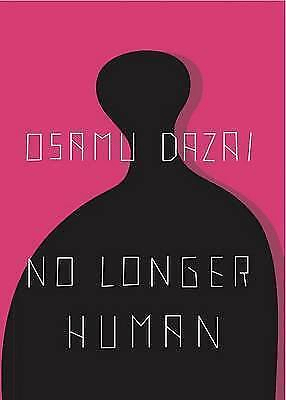
I decided to read the novel no longer human by Dazai Osamu for my self-education project. I wanted to reread this novel for a long time. I read it a while back but didn’t understand it fully at the time because of my age and the concepts that are talked about in the novel. After I reread it, I really love this novel. Although it contains sensitive topics, it’s a really interesting read. Let me go into detail.

i first would like to interduce the writer of this novel Dazai Osamu.

Writer

Dazai Osamu, (born June 19, 1909, Kanagi, Aomori prefecture, Japan—died June 13, 1948, Tokyo), novelist who emerged at the end of World War II as the literary voice of his time. His dark, wry tone perfectly captured the confusion of postwar Japan, when traditional values were discredited, and the younger generation nihilistically rejected all of the past.

Born in northern Japan, the sixth son of a wealthy landowner and politician, Dazai often reverted to his background as material for his fiction. Although the dominant mood of much of his writing was gloom, he was also famed for his humor, which sometimes approached farce. Dazai’s first collection of short stories, Bannen (1936; “The Twilight Years”), showed him to be potentially a versatile writer of many styles and topics, but he tended toward the shishōsetsu (“I,” or personal fiction) form, and the persona of the author was thenceforth to be seen in most of his fictional characters. Dazai was deeply concerned with his craft, and his stories were far from being mere confessional documents; nevertheless, his artistry was often obscured by the wide publicity given to his dissipation, a source of continued attraction, especially to youthful readers. Almost alone among Japanese writers, Dazai continued to produce works of real literary merit during the war years (1941–45). Otogi zōshi (1945; “Fairy Tales”), new versions of traditional tales, represented a triumph of his style and wit. Tsugaru (1944; Return to Tsugaru) was a deeply sympathetic memorial to his place of birth. The tone of his postwar works—Shayō (1947; The Setting Sun), Biyon no tsuma (1947; Villon’s Wife), and Ningen shikkaku (1948; No Longer Human), all translated by Donald Keene—becomes increasingly despairing, reflecting the emotional crisis of the author. After several unsuccessful attempts earlier in his life, Dazai committed suicide in 1948, leaving uncompleted a novel ominously entitled Goodbye.

Plot

No Longer Human also translated as A Shameful Life, is a 1948 novel by Japanese author Osamu Dazai. The original title translates as “Disqualified as a human being “or “A failed human”. 

The story of Yozo Oba, a young man who is unable to connect with others due to a deep sense of alienation and emptiness. The novel is divided into three parts, each of which focuses on a different stage of Yozo’s life. In the first part, Yozo is a young boy who is constantly scolded and physically abused by his parents. He finds solace in drawing and creating imaginary worlds, but this only further alienates him from those around him. In school, he develops a reputation as a class clown, but his humor is really a mask to hide his inner pain.

In the second part, Yozo attends art school in Tokyo, where he meets Horiki, a charismatic and carefree classmate who introduces him to a world of drinking, womanizing, and reckless behavior. Yozo becomes addicted to alcohol and begins to live a hedonistic lifestyle. He is unable to form meaningful connections with anyone, including Horiki, and feels increasingly isolated and alone.

In the final part, Yozo has hit rock bottom. He has lost his job, his wife has left him, and he is plagued by hallucinations and suicidal thoughts. He seeks treatment in a mental hospital, where he meets a sympathetic doctor who tries to help him overcome his feelings of despair. Yozo tries to turn his life around, but ultimately realizes that he is too damaged and broken to ever truly connect with others.

Characters

The novel is told through the perspective of the protagonist, Yozo, who is a troubled and self-destructive young man struggling to find his place in society.

Yozo is a chronic liar who masks his true emotions and identity in order to fit in with those around him. He struggles with a sense of alienation from the world and those around him, and he is unable to connect with others on a meaningful level. Yozo’s inability to form genuine relationships causes him to become increasingly isolated and self-destructive, and he turns to alcohol and other vices as a means of coping with his despair.

Throughout the novel, Yozo struggles to come to terms with his own identity and his place in society. He is haunted by a sense of inadequacy and feels that he is fundamentally flawed in some way. This leads him to become increasingly withdrawn and detached from the world, and he ultimately spirals into a state of total despair.

Other characters in the novel include Yozo’s lovers, friends, and family members, who all struggle to understand him and his motivations. These characters often serve as foils to Yozo, highlighting the ways in which he is different from those around him.

Summary

It tells the story of a troubled man incapable of revealing his true self to others, and who, instead, maintains a facade of hollow jocularity, later turning to a life of alcoholism and drug abuse before his final disappearance. The novel deals with themes of identity, alienation, and the struggle to find meaning in life. Yozo’s story is a tragic one, as he is never able to find the acceptance and love he so desperately craves. The novel is a powerful exploration of the human condition, and the ways in which we can all feel lost and disconnected at times.

Quotes

Here are some quotes that stuck with me.

  • “As long as I can make them laugh, it doesn’t matter how, I’ll be alright.”
  • “What is society but an individual? […] The ocean is not society; it is individuals. This was how I managed to gain a modicum of freedom from my terror at the illusion of the ocean called the world.”
  • “As long as I can make them laugh, it doesn’t matter how, I’ll be alright. If I succeed in that, the human beings probably won’t mind it too much if I remain outside their lives. The one thing I must avoid is becoming offensive in their eyes: I shall be nothing, the wind, the sky.”
  • “There are some people whose dread of human beings is so morbid that they reach a point where they yearn to see with their own eyes monsters of ever more horrible shapes.”
  • “For someone like myself in whom the ability to trust others is so cracked and broken that I am wretchedly timid and am forever trying to read the expression on people’s faces.”

My opinion/recommendation

Right of the bat i would like to say that this novel is not for everyone because of everything going on in this novel as much as i try to explain it in my words it is definitely a different experience reading it and just processing the words and everything. Overall, “No Longer Human” is a powerful exploration of the human condition, and it offers a deeply insightful look into the mind of a troubled and self-destructive individual.

It is a compelling read for anyone interested in exploring the complexities of human nature and the ways in which society can impact our sense of identity and self-worth. I do recommend this novel but as i mentioned if might be some topics that are triggering for you i don’t recommend reading it. This novel is considered being a classic in Japanese literature hence why i read it in the first place because I’m interested in literature from different countries. In conclusion this novel was something to read and i do want to read more novels from Dazai Osamu.

Posted in English, Հետազոտական Աշխատանք

Research project 2023-2024

Topic: Gemology and the art of making jewelry

Supervisor: Irina Apoyan You can follow my work process with this link

The motive: The purpose of this research project is to learn the craftsmanship of making jewelry and the history behind it and to interduce people to the world gemology.

Research project problems: The main problem is to find the correct sources. To understand the importance of this topic and to explain people the true meaning of this topic.

Popularity of the topic: The popularity of this topic is not that much. The people who want to study in this field or their family member is in the work they might know something about it but the others just laugh at you when explaining what it is and i would like to change that with this research project.

Posted in English

Culture shock in Paris

This summer i had the chance to go to Paris with my school and experience a week i wont forget. Although i had an amazing time i did experience some culture shock while i was there. I am a person that has faced with culture shock before and still do. Before going to a new country i like to be open minded because not every country has the customs im used to and i do suggest everyone to be respectful when seeing something your not used to. While we were in Paris we encountered in some misunderstandings and just customs that we weren’t used to. One thing that i can vividly remember that the stores would close at 6:00 or 7:00 pm sharp i was a bit shocked when the 2nd day we went outside and saw half of the stores closed there even was an incident where we went to the mall and it closed at 8:00 so all of the shops were closed beside the food court. Another thing that i noticed thatt a-lot of locals wont talk in english they would demand us to speak in their language even if we didn’t know the language we understood when they were badmouthing us. At the end of the day as i said we were trying to be respectful and open minded since we were in their country but it’s not what i expected from the city that people always praise about.