Ներկայացրե՛ք Սան Ստեֆանոյի հաշտության պայմանագրի հիմնական հոդվածները։ Ո՞րն էր Հայկական հարցի էությունը։ Արևմտահայ ազգային-քաղաքական ուժերն ի՞նչ գործունեություն ծավալեցին Հայկական հարցի լուծման համար։
1878 թ. փետրվարի 19-ին կնքվեց ռուս-թուրքական հաշտությունը Կ. Պոլսից ոչ հեռու գտնվող Սան Ստեֆանո ծովափնյա ավանում՝ հայ մեծահարուստ Առաքել Դադյանի ամառանոցում: Ռուսաստանին էին անցնում Կարսի, Կաղզվանի, Օրթիի, Արդահանի, Ալաշկերտի և Բայազետի գավառները, Սև ծովի առափնյա շրջանները՝ Բաթում նավահանգստով: Էրզրումը և Բասենը վերադարձվում էին Օսմանյան կայսրությանը:
Սան Ստեֆանոյի պայմանագրում արծարծվեց նաև XIX դ․ երկրորդ կեսի հայ հասարակական-քաղաքական կյանքի հիմնական առանցքը կազմող Հայկական հարցը։ Այն, Արևելյան հարցի բաղկացուցիր մաս լինելով, այդ ժամանակաշրջանում վերաբերում էր արևմտահայության ազատագրության կամ ինքնավարության խնդրին։
Սան Ստեֆանոյի պայմանագրում տեղ գտան Հայաստանին և հայերին վերաբերվող առանձին հոդվածներ և ձևակերպումներ, որոնց դրույթները մասամբ էին համընկնում հայերի առաջադրած պահանջներին: 16-երորդ հոդվածով Բարձր դուռը պարտավորվում էր Արևմտյան Հայաստանում ռուսների գրաված և կրկին Թուրքիային վերադառձնելիք գավառներում անհապաղ բարեփոխումներ անցկացնել և ապահովել հայերի անվտանգությունը քրդերից և չերքեզներից: 25-րդ հոդվածն իրավունք էր տալիս ռուսական զորքերին 6 ամիս ժամկետով մնալու Հայաստանում: 27-րդ հոդվածով Թուրքական կառավարությունը պարտավորվում էր չհալածել պատերազմում ռուսներին աջակցած քրիստոնյաներին:
Պայմանագրում կային շատ անորոշություններ. ըստ 16-րդ հոդվածի ստացվում էր, որ Օսմանյան կայսրությունում հայերի հալածանքների մեղավորները ոչ թե թուրքական իշխանություններն են, այլ քրդերն ու չերքեզները: Նման ձևակերպումը ոչ թե կերաշխավորեր հայերի անվտանգությունը, այլ կսրեր նրանց հարաբերությունները հարևանների հետ:
Ներկայացրե՛ք հայ հասարակական շրջանակների և հայկական պատվիրակության գործունեությունը։ Համեմատե՛ք Սան Ստեֆանոյի և Բեռլինի պայմանագրերում Հայաստանին և հայերին վերաբերող հոդվածներն ու ձևակերպումները։ Ո՞ր գավառներից կազմվեց Կարսի մարզը։
Բալկաններում և Արևելքում Ռուսաստանի դիրքերի ամրապնդումն առաջացրեց առաջին հերթին Մեծ Բրիտանիայի և Ավստրո-Հունգարիայի դժգոհությունը: Նրանք պահանջեցին կնքված պայմանագրի կետերն ամբողջությամբ համաձայնեցնել իրանեց հետ, հակառակ դեպքում սպառնում էին պատերազմով: Ռուսական կառավարությունը տեղի տվեց համաձայնելով հարցը քննարկել մեծ տերությունների հետ: Որոշվեց Գերմանիայի կանցլեր Օտտո Բիսմարկի նախագահությամբ Բեռլինում գումարել վեհաժողով:
Հայկական հարցի միջազգայնացնումն աշխուժություն առաջացրեց հայ հասարակական շրջանակներում: Նույնիսկ առաջադրվեցին անկախ հայրենիքի կառավարիչների թեկնածություններ: Բարձր դուռը փորձում էր իր հսկողության տակ վերցնել հայերի գործողությունները: Սուլթանը հայոց պատրիարքին նույնիսկ առաջարկում է պատվիրակություն ուղարկել վեհաժողով: Այդ քայլով նա ցանկանում է հայկական պահանջները հարկադրել բուլղարների շահերին և դրանով խառնել Ռուսաստանի ծրագրերը: Հայոց պատրիարքը որոշում է առիթն օգտագործել և հայերի պահանջները ներկայացնել վեհաժողովին:
Ազգային գործիչ Գրիգոր Օտյանի առաջարկությամբ Եվրոպա մեկնող պատվիրակությունը գլխավորում է Մկրտիչ Խրիմյանը: Պատվիրակությունը կազմում էին Մինաս Չերազը, Մինաս Փափազյանը և Խորեն Նարբեյը: Հոգևոր գործիչ Խորեն Նարբեյը մեկնում է Սանկտ Պետերբուրգ ռուսական արքունիքի հետհայերի պահանջները համաձայնեցնելու համար:
Վեհաժողովի նախօրյակին՝ մայիսի 25-ին, կնքված անգլո-թուրքական գաղտնի համաձայնագրով Մեծ Բրիտանիան Թուրքիայից ստացավ Կիպրոս կղզին՝ փոխարենը խոստանալով պաշտպանել թուրքական պահանջները։
1878 թ․ հունիսի 1-ին Բեռլինում սկսված վեհաժողովը ընթացավ առանց հայերի մասնակցության։ Անտեսելով Սան-Ստեֆանոյի պայմանագրում Հայկական հարցի մոտեցումները՝ Բեռլինի վեհաժողովում Հայաստանի ինքնավարության ծրագիրը լիովին մերժվում է։ Պայմանագրի 61-երորդ հոդվածը ևս թուրքական կառավարությանը պարտավորեցնում էր հայերի համար բարեփոխումներ անցկացնել և ապահովել նրանց անվտանգությունը: Բայց բարեփոխումների իրագործման հսկողությունն այժմ, բացի Ռուսաստանից, դրվում էր նաև վեհաժողովի մասնակից մյուս տերությունների վրա։ Դա վերջիններիս հնարավորություն է տալիս միջամտելու Թուրքիայի ներքին գործերին։
Քանի որ Ռուսաստանն իր զորքերն անհապաղ դուրս էր բերելու գրաված տարածքներից, ոչ մի երաշխիք չէր մնում բարեփոխումների կենսագործման համար: Բեռլինի պայմանագրում Հայաստան անունը փոխարինվել էր հայաբնակ մարզեր բառակապակցությամբ: Ալաշկերտն ու Բայազետը վերադարձվեցին Օսմանյան կայսրությանը: Ռուսաստանին էր մնում միայն Կարսը՝ շրջակա գավառներով: Կարս բերդաքաղաքը շուտով դարձավ նորաստեղծ Կարսի մարզի կենտրոնը, դրա մեջ մտան Կարսի, Արդահանի, Կաղզվանի և Օլթիի գավառները:
Ի՞նչ դասեր քաղեցին հայերը Բեռլինի վեհաժողովից։ Ինչու՞ էին մեծ տերությունները ժամանակ առ ժամանակ հանդես գալիս Հայկական հարցի ջատագովներ։
Վեհաժողովի որոշումները խոր հիասթափություն առաջացրին հայության մեջ: Խրիմյանն ու Չերազը վեհաժողովի վերջին օրը՝ հուլիսի 1-ին, բողոք ներկայացրին մեծ տերություններին: Խրիմյան Հայրիկը վեհաժողովը պատկերավոր ձևով նմանացրեց հարիսայի ճաշկերույթի, որին երկաթե շերեփներով ներկայացած մասնակիցները կարողանում էին տանել իրենց բաժինը։ Բայց քանի որ ինքը միայն թղթե շերեփ ուներ, այն մնաց հարիսայի մեջ, և ինքը ստիպված էր ձեռնունայն վերադառնալ։ Խրիմյանը և բազմաթիվ այլ գործիչներ Բեռլինից հետո հասկացան, որ օտար տերությունների հետ իրենց հույսերը կապելու փոխարեն անհրաժեշտ է կազմակերպել սեփական ժողովրդի զինված ազատագրական պայքարը: Խրիմյան Հայրիկը կոչ է անում հայությանը:
Մեծ տերությունները բազմիցս հանդես եկան հայկական բարեփոխումնեն իրականացնելու պահանջներով՝ նպատակ ունենալով Թուրքիայից զիջումներ կորզելու իրենց օգտին: Սուլթանական կառավարությունն օտար երկրների միջամտումից ազատվելու համար նախընտրեց Հայկական հարցի լուծման ուրույն ուղի՝ հայերին ցեղասպանելու քաղաքականությունը:
Ծանոթացե՛ք հետևյալ թեմային՝ «Հայ Ազգային կուսակցություններ»
Պատասխանե՛ք հետևյալ հարցերին՝
Ի՞նչ պատական պայմաններ էին ստեղծվել ազգային կուսակցությունների ստեղծման համար։
Հայ իրականության մեջ առաջին քաղաքական կուսակցությունն ստեղծել են արմենականները: Հիմնադրվել է Վանում 1885 թ-ին՝ Մկրտիչ Թերլեմեզյանի նախաձեռնությամբ: Արմենականների նպատակը ժողովրդին ազատագրական կռիվներին նախապատրաստելն էր, սուլթանական բռնապետության լծից Արևմտյան Հայաստանն ազատագրելը և անկախ պետություն ստեղծելը: Ժողովրդի ազատագրության միջոց էին համարում զինված ապստամբությունը և դիվանագիտական ուղիները: Մկրտիչ Փորթուգալյանը հույսեր էր կապում նաև թուրքական կառավարության խոստացած բարեփոխումների հետ:
Արմենական կուսակցության ծրագիրը ունեցել է սեփական ծրագիր՝ կազմված յոթ մասից։ Կազմակերպության նպատակն էր՝ «Հեղափոխությամբ հայ ժողովրդի համար ձեռք բերել ազատ կառավարելու իրավունք։ Շեշտում էին ներազգային համերաշխության գաղափարը։
Ծրագրում շեշտվում էր, որ հեղափոխության դիմելու համար անհրաժեշտ են նպաստավոր պայմաններ։«Մասնակի և տկար ուժերի շարժումները ընդունելի
չեն, ընդհակառակը՝ վնասակար են։
Ներկայացնե՛ք Արմենական կուսակցության հիմնական տեսլականները։
Հայաստանի որդեգրած քաղաքական ուղղությունը, նպատակներն ու հիմնական ասելիքը դրսևորվել են նրա խմբագրականներում, որոնց հեղինակը Մ. Փորթուգալյանն էր: Նա թերթի գլխավոր տեսաբանն էր, ուղղություն տվողն ու անփոփոխ ղեկավարը: Նա էր հաղթահարում բոլոր գործնական ու կազմակերպչական դժվարությունները, խմբագրում նյութերի մեծ մասը, ապահովում կապը թղթակիցների հետ, երբեմն էլՙ շարում տեքստերը: Օսմանյան գաղտնի ծառայությունների մշտական խոչընդոտները, Ռուսաստանի հակասական վերաբերմունքը և, ի վերջո, ֆինանսական սուղ միջոցները դժվարհաղթահարելի պատնեշներ էին ընդդեմ Հայաստանի: Մ. Փորթուգալյանն այս խոչընդոտները հաղթահարելու համար դրսևորեց աներեր վճռականություն, ու կյանքի կոչեց իր հոգեզավակ Հայաստանը:
Ո՞րոնք էին Հնչակյան կուսակցության ծրագրի հիմնական կետերը։ Ի՞նչ ձգտումներ ունեին նրանք։
Այն հիմնադրվել է 1887 թվականի օգոստոսին Ժնևում, Շվեյցարիա, մի խումբ արևելահայ ուսանողների կողմից, որոնք էին՝ Ավետիս Նազարբեկյանը, Մարո Վարդանյանը, Ռուբեն Խանազատյանը, Գաբրիել Կաֆյանը, Քրիստափոր Օհանյանը, Գևորգ Ղարաջյանը, Մանուել Մանուելյանը։ Ներկայումս գործող ամենահին կուսակցությունն է։ Առաջին սոցիալիստական կուսակցությունն է որը գոյություն է ունեցել Օսմանյան կայսրությունում և Իրանում: Կուսակցության անվանումը վերցվել է «Հնչակ» թերթից, որի անունը «զանգակ» բառի հոմանիշն է։ 1888 թվականին «Հնչակ» թերթում հրատարակվեց կուսակցության ծրագիրը։ Այն պատրաստվել և կազմվել էր 1887 թվականին Ավետիս և Մարո Նազարբեկյանների, Գևորգ Ղարաջյանի կողմից։ Հնչակյանների կողմից սեփական ծրագրի հրատարակությունն ազդարարում էր հեղափոխական կուսակցության կազմավորման մասին։ 1888 թվականին կայացավ կուսակցության հիմնադիր ժողովը։ «Հնչակյան» անվանումը կուսակցությունը ստացավ միայն 1890 թվականին։ Կուսակցության ծրագրի համաձայն հնչակյանների գործունեության առանցքը Հայկական հարցն էր և սոցիալիզմը։ 1880-1890-ական թվականներին Արևմտյան Հայաստանում ստեղծելով իրենց կազմակերպությունները և անցնելով լայն գործունեության՝ Ազգային ճնշման դեմ իրենց մարտավարության մեջ հնչակյանները համատեղում էին խաղաղ քաղաքական ցույցերը և զինված հայդուկային ելույթները։
Ինչու՞ ստեղծվեց ՀՅԴ-ն։ Ի՞նչ ձգտումներ ուներ ՀՅԴ-ն Հայկական հարցի լուծման շուրջ։
Հայ Յեղափոխական Դաշնակցութիւն ստեղծվել է 1890 թվականի հուլիս-օգոստոսին Թիֆլիսում։ Հիմնադիրները և առաջին ղեկավարներն էին Քրիստափոր Միքայելյանը, Սիմոն Զավարյանը և Ստեփան Զորյանը (Ռոստոմ)։ 1890 թվականի սեպտեմբերին հրապարակված ՀՅԴ մանիֆեստում նշված է, որ նոր ստեղծված կուսակցության նպատակն է համախմբել հայ ժողովրդի ուժերը, ձեռք բերել քաղաքական և տնտեսական ազատություն Արևմտյան Հայաստանի համար։ Հայ Յեղափոխական Դաշնակցությունն իր էությամբ, աշխարհայացքով և ավանդներով ազգային, ընկերվարական, ժողովրդավարական և հեղափոխական կուսակցություն է։ Հայ Յեղափոխական Դաշնակցությունն իր բոլոր ուժերով պայքարում է հանուն հայ ազգի քաղաքական-տնտեսական, ընկերային-մշակութային բովանդակ շահերի պաշտպանության։ Հայ Յեղափոխական Դաշնակցությունը, հավատարիմ իր գաղափարաբանությանը, իր բոլոր ուժերով նվիրվում է բովանդակ հայ ազգի քաղաքական, տնտեսական, ընկերային եւ մշակութային շահերի պաշտպանությանը՝ հանուն Ազատ Հայի, Ազատ Քաղաքացու եւ Ազատ Հայրենիքի կերտման։ Հայ Յեղափոխական Դաշնակցությունը հայ ժողովուրդի ազգային ազատագրական պայքարը հիմնավորում է իր գաղափարաբանությամբ։ Նա առաջադրում է անհատի ազատության, ազգային ինքնորոշման, անկախ պետականության, ընկերության, համերաշխության և բարօրության ճանապարհով ապահովել հայ մարդու և հայ ազգի անկաշկանդ, բազմակողմանի և ներդաշնակ զարգացումը։ Հայ Յեղափոխական Դաշնակցությունը ձգտում է Հայ Դատի լուծմանը` ամբողջական հայությամբ ամբողջական հայրենիքի կերտմանը։
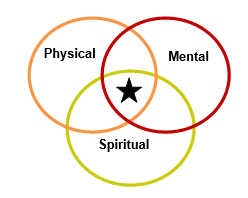
We, humans, have 3 fundamental aspects of wellness –
Physically
Mentally, and
Spiritually
All three are equally important in achieving and maintaining complete well-being.
But do we really give them equal importance?
It’s an interesting question, isn’t it?
Consider this, when people have physical problems, most are likely to go to a doctor for a medical check-up. But when it comes to mental and spiritual most people just brush that off and think its not a big deal. How many of us actually even consider the need to visit a specialist instead of just talking to our friends, family members and colleagues?
One of the problems that people face when it comes to seeking help for mental health is that they don’t know when they need to seek help. The lack of awareness is so prominent that most people don’t even understand the difference between mental health and mental illness. The two terms are incorrectly used interchangeably at most a times.
So what is the difference between mental health and mental illness.
To answer that, first we’ll have to define mental health. im going to ask this question again
What is mental Health?
You have probably heard the term ‘Mental health’ yet not many actually know what it means. Give this a thought and think of what this term actually means for you. Define it in your own words.
According to the World Health Organisation (WHO):
Mental health is “a state of well-being in which every individual realises his or her own potential, can cope with the normal stresses of life, can work productively and fruitfully, and is able to make a contribution to her or his community.”
So rather than being about ‘what’s the problem?’ it’s really about ‘what’s going well?’
It is about wellness than illness.
Mental Health vs Mental Illness
When do you think mental health is more important, when one is having some mental illness or when one is already living a healthy life?
Ideally, mental health is equally important. It goes without saying that when one is already suffering from some mental illness, one needs to visit a Mental Health Practitioner.
But for people who are already living with good mental health, it becomes equally important to develop and sustain habits that would help one to continue living a healthy life.
Both, mental wellness or health, and mental illness lie on a continuum.
Mental health is at one end of the spectrum – represented by feeling good and functioning well – while mental health conditions (or mental illness) are at the other – represented by symptoms that affect people’s thoughts, feelings or behavior.
Not everyone will be diagnosed with a mental illness, but everyone certainly has “mental health”.
Researchers have shown that high levels of mental health are associated with:
Increased learning
Creativity and productivity
More pro-social behavior and positive social relationships and
Improved physical health and life expectancy
In contrast, mental health conditions (or mental illness) can cause distress, impact on day-to-day functioning and relationships, and are associated with poor physical health and premature death from suicide.
Now let’s understand what mental illness actually is.
What is Mental Illness?
Mental Illness (MI) refers to a disorder of mood, thought, perception, orientation, and memory which can affect the overall functions of social cognition and behavior causing distress to the individual and his/ her family, this also includes conditions created due to substance abuse and alcohol.
Since we kind of understand, what mental health is let’s start off with my main topic of my project
Ռուբեն Արամի Գալիչյան (Ռուբեն Գալչյան, 1938, Թավրիզ, Իրան), բրիտանա-իրանցի հայ աշխարհագրագետ և քարտեզագետ-քարտեզաբան։ Գրել է բազմաթիվ գրքեր Կովկասի պատմության ու քարտեզագրության մասին, հեղինակել է մի շարք քարտեզագրական հոդվածներ, որոնք տպագրվել են աշխարհի տարբեր ամսագրերում և լայնորեն դասախոսել է Եվրոպայում, ԱՄՆ-ում, Իրանում և Հայաստանում և այլուր։ Գրում է անգլերեն, որոնք թարգմանվում են ինչպես հայերեն, այնպես էլ ռուսերեն, պարսկերեն լեզուներով։
Հայկական պատմական քարտեզագրությանը մատուցած ծառայությունների համար ՀՀ Գիտությունների ազգային ակադեմիայի կողմից ստացել է պատվավոր դոկտորի կոչում։ 2009 թվականին ստացել է «Վազգեն Ա» մշակութային նվաճումների մեդալ[2]։
Կենսագրություն
Ռուբեն Գալիչյանը ծնվել է Թավրիզում (Իրան), հայ ներգաղթյալների ընտանիքում, որոնք 1915 թվականին Մեծ Եղեռնի ժամանակ փախել են Վանից, հաստատվել են` Հայաստան, Վրաստան, Ֆրանսիա, հասել են Իրան։ Սովորել է Թեհրանի հանրակրթական դպրոցում, կրթաթոշակ ստանալով՝ ուսումը շարունակել է Մեծ Բրիտանիայում՝ Բիրմինգհեմի Ասթոն համալսարանում՝ որպես էլեկտրոտեխնիկայի ճարտարագետ, որն ավարտել է 1963 թվականին։
Աշխարհագրությամբ և քարտեզագրությամբ հետաքրքրվել է դեռևս դպրոցական տարիներին, սակայն գիտական ուսումնասիրությունները սկսել է 1970-ական թվականներից։ 1976 թվականին նա ուներ իր քարտեզների առաջին հավաքածուն, որը 2013 թվականին նվիրել է Երևանի Մատենադարանին։ 1981 թվականին ընտանիքի հետ տեղափոխվել է Լոնդոն, որտեղ հնարավորություն է ունեցել տարբեր քարտեզագրական նյութեր ուսումնասիրելու։
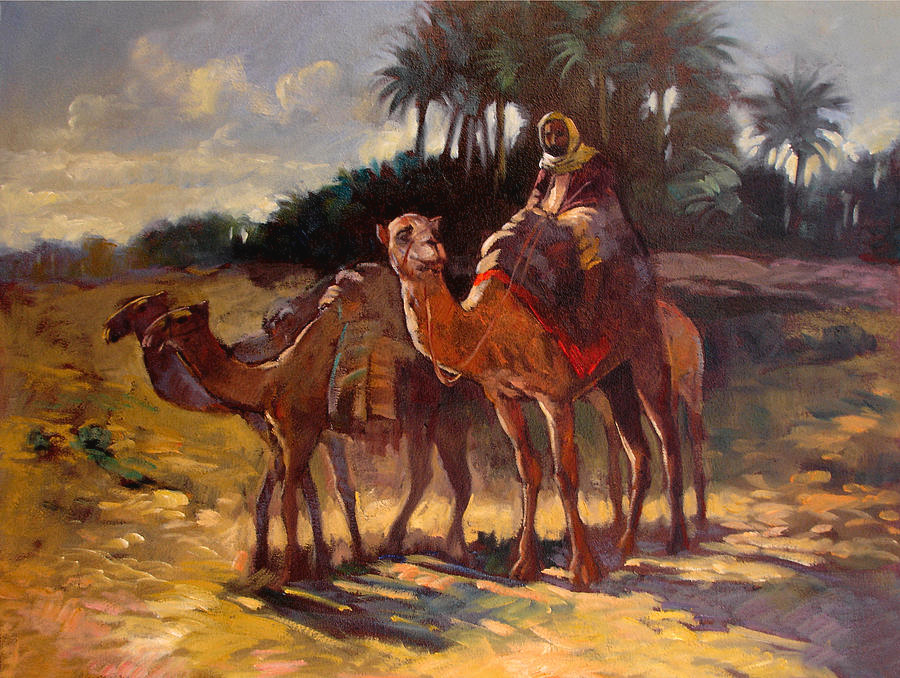
Abu Lala Mahari, the renowned poet of Baghdad, lived for decades in the splendid city of the Caliphs, Enjoying a life of luxury and delight. He sat at banquets with affluent and powerful people, debating both the learned and the wise, He cherished and assessed his companions. He visited the lands of many a nation, He saw and studied the peoples and their laws. And his discerning soul, comprehending people, assessed and hated Profoundly man and his rules. And since he had no wife or children, He gave away his entire fortune to the poor, gathered his caravan of camels, along with provisions and food, and one night, when Baghdad slept on the cypress-covered Banks of the Tigris – He departed from the city in secret…
First Surah
And Abu Lala’s caravan, gurgling softly like a spring,
Proceeded serene in the sleepy night, with bells sweetly tinkling.
That winding caravan appraised the road with measured strides,
And the melodious chiming suffused the tranquil grounds.
With ardent dreams of splendor, Baghdad slept in mellow restfulness,
In the rosebushes, the canary sang tearful songs of love’s distress.
The fountains chuckled with sprays of dazzling diamond cascades,
From the caliphs’ gleaming mansions scents and kisses pervaded the glades.
The jeweled caravans of stars wandered on stellar freeways,
And the boundless skies echoed the harmonium of eternal stars’ rays.
The wind whispered, with violets’ breath, tales of a thousand and one nights,
In sweet sleep, palm tree and cypress swayed on the roadsides.
And rolling along, the caravan rumbled forward with no backward glance,
The unknown path with myriad lures, enticed Abu Lala, stroking his dalliance.
“Go forth! Keep on going, my caravan, and walk till my days’ demise,”
Thus spoke deep in his heart, Abu Mahari, the poet great and wise.
“Go to the forlorn, desolate places, to the emerald vastness, free, pure and forthright;
Soar tireless toward the sun, and sear my heart in the sun’s heart.
“To you, oh, my father’s crypt, my maternal crib, I offer no farewell,
My soul is sore with eternal grief for paternal home and childhood’s pure spell.
“I was too fond of all my peers, and all people hither and there; whereas of late,
My love has turned to venomous viper, and my heart boils with toxic hate.
“Now, I detest that which I loved, since what I discovered in the souls of men; herewith,
In the human soul, nasty and mean, I have counted a thousand outrages and much filth.
“But above all, I hate the thousand-and-first–the spirit’s ribald falsehood,
Which adorns the face of man with the sacred halo of innocent sainthood.
“You, human tongue, who with a veil infused with heavenly scent and radiance
Cover the hell of man’s soul, have you ever spoken an honest sentence?
“Go to the desert, my caravan, to the wild forsaken, flaming borders,
In the company of beasts and rest there, under the bronzed, red boulders.
“Let me set up my tent–let me set it up on nests of scorpions and snakes,
I am a myriad times safer there, than among devious men with smiling faces.
“Or near a comrade, on whose breast I gladly rested my head once,
A comrade’s breast concealing the chasm of a fatal fall beneath a veil of lies.
“As long as the sun keeps searing Sinai’s soaring summits,
And the desert’s yellow layers form whirlpools as do mighty swells:
“I have no wish to break bread at their table, or offer humans my greeting,
I rather share a meal with wild beasts, or receive a hyena’s welcoming.
“And may predators tear me apart, flaming winds roar at me and burn –
And thus, till the end of my days, my caravan, keep going, go beyond return…”
Second Surah
And meandered that caravan through the rows of tall palm trees, Raising dust–a caravan of dust, led quietly by a fire-breathing breeze.
“Move on, caravan, what have we left behind, that nostalgia would call us back?” Thus spoke from his heart Abu Mahari, the distinguished bard.
“Have we, perchance, left back there spouse and friends, laws, rights and justice? March on! Do not stop! We have left behind only chains, restraints, lies and avarice!
“And what is woman, anyway…? An always mean, spiteful spider, devious, faithless, Who covets your bread, lying with kisses, and in your very lap, fondling someone else.
“Better brave stormy seas in a ramshackle boat, than rely on a woman’s oath; She is pimp and harlot, covert inferno–Satan speaks through her lips and tongue, both.
“You have often wished on a far, distant star, the white, angel-winged lily so light, As salve to your wounds–sustained as you reached for your delusions of a gilded life.
“You have longed for the song of the fountain beckoning you as the bright shores’ guest, And you have dreamt of eternity’s dew and sweetly wept on its heavenly chest.
“But a woman’s love offers brine to your parched soul, so that you remain ever thirsty, And in your red-hot craving–forever in thirst–you lick that woman’s victorious body.
“Oh, woman’s body, bacchanalian, serpentine–a truly satanic vessel of inequity, The bitter carnal pleasures of which can forever eclipse a soul’s sun in total obscurity.
“I detest love, cruel as death, burning, covertly maiming and mutilating forever; That poisoned wine, whose consumer is doomed to turn into slave or tyrannical master.
“I detest woman, essence of lusting, ever inseminating unbound slaughter, Inexhaustible fountain of muck and mud, covering the earth with mounds of squalor.
“Once more, I detest love and woman, with her obsequious kisses and false morality– I run away from her quagmire-mattress, cursing both her labor and her delivery.
“That dark, everlasting labor, that inundates venomous vipers’ writhing groupings, Biting each other, tearing one another to bits, desecrating the stars with toxic droppings.
“A vagrant is he, who becomes a father, who from the serene bosom of nothingness Lures the poor atom to sentience and dumps upon its head the inferno of lifelong stress.
“My father did sin against me, but I never, ever sinned against anyone.* Let this, my last testament, be inscribed on my tombstone–if ever I do find a niche!
“As long as the deep blue sea keeps hugging the cerulean shores of the Hejaz, I shall never turn back to woman, ever; I shall never miss her fake charisma and wiles.
“I shall gladly hug the needle sharp thorns of a wild prickly cactus and kiss them deep, And rest my weary head on the warm bosom of burning rocks, and weep.”
And, with a soft murmur, the caravan engaged the road, twisting and weaving with grace, Flowing ever forward, towards the golden distance in a serene, relaxed pace.
The bells seemed to wail as if shedding sonorous tears, note by note, drop by drop, The caravan, as well, seemed to grieve gently, that which Mahari had loved and dropped.
And the flutes of the breezes softly caroled eastern love-songs, so sad and moving, Lamenting the wounds of love, the demise of heartrending dreams, all beyond yearning,
And Abu Lala pondered somber, of his profound sorrow–endless, not unlike eternity, Not unlike his meandering road, twisting and swaying, ever extending into infinity.
Woven into the boundless fabric of his path, night and day he suffered silently, His searching gaze at unseen stars, his suffering soul full of bitter bits of memory.
And he never looked back at the trail he covered, no regrets for things left behind forever; He answered no greeting–neither did he greet caravans encountered on the way, ever.
Third Surah
And Abu Lala’s caravan, gurgling softly like a fountain,
Advanced, slow and at ease, beneath the moon’s retiring reign.
And the moon, like the chest of a young pixie of paradise, spry, dazzling,
At times modest, hid behind clouds, then came out bright, blazing!
Sweet-smelling flowers were asleep, among diamonds, lavish trimmings;
Rainbow-shaped birds fussed over each other with tender cooings.
Winds with violet-scented breath, whispered tales of a thousand and one nights,
Along the road, palm trees and poplars in deep, sweet sleep, swayed like kites.
Listening to the chatter of the wind, Abu-Mahari spoke without making a sound –
“This world could be a crafted miracle, a tall tale with no beginning or end, bright, profound;
“And who has woven this majestic saga, studded with stars and miracles that endure,
And who is telling it in numerous styles, tireless and dauntless, with such charming allure?
“Nations have come, nations have gone, and never understood its significance;
Poets have grasped a bit of it, and keep stammering its timeless refrains.
“No one has heard its beginning, nor shall anyone ever hear its end, and
Each refrain lives endless centuries, each refrain knows no beginning, nor an end!
“But for each newborn, this splendid legend is narrated all over again,
It restarts and comes to an end with the lives of each and all men.
“Life is but a dream, the world a mere tale, nations, generations – caravan in motion,
Which in legend, along with live dreams, rushes unseen towards perdition.
“Deaf and dumb people, bereft of dreams, without hearing this triumphant tale,
You snatch morsels from each other’s throats, turning this world into a horrendous hell!
“Yoke and whip, a web with no exit, woven by a disordered spider, constitute your laws,
With the venom of which you poison the nightingale’s song, the reverie of the rose.
“Pitiful people! Your mean hearts shall turn to dust, along with your malevolent actions,
And the hand of time, indifferent, shall wipe and erase your depraved intimations.
“And the blowhard wind shall smash your bones on rocks and stones, forevermore,
You, ever unable to appreciate this enchanting dream, this golden folklore.”
Bejeweled caravans of stars wandered along boundless heavenly highways,
And the endless firmament pealed with the ever ablaze, regal harmonium of the skies.
The entire creation was filled with an endless, magical performance of heavenly throngs,
Lost in reveries, with all his soul he listened, uplifted, to the sublime songs.
“March on, caravan, weaving your mellow murmurs with the heaven’s luminous hum overhead,
Cast my woes to the winds, walk into the loving lap of nature, and don’t turn your head!
“Take me to a light-garbed, lonely alien shore, on distant, remote, ever-detached shorelines,
Holy loneliness, thou, my oasis, thou, ever-flowing source of invigorating aspirations.
“Skies of silence, converse with me in the language of your stars, and soothe my soul,
Salve my soul, injured by the world – my man-mauled, weary, wounded soul.
“Inside me burns an insatiable yearning, a compassionate heart, forever crying,
And in my soul, there is a resplendent dream, and holy tears, and love everlasting.
“My spirit is free, I can’t ever tolerate over me the rule and decree of any power,
No law, no fate or boundary – whether evil or benign – no judgment and decree, ever.
“There can be no hegemony whatsoever over my head, not a single privilege,
And all that is outside my will or disposition is penitentiary, slavery, and bondage.
“I want to be totally unchained, debt-free, atheistic, anarchistic, unrestricted;
My soul yearns only and only for great freedom, boundless, unlimited.”
And the caravan mended forward, while above it shimmered all ignited
Like jewels, those ever glittering eyes – the stars with youthful smiles, untethered.
And the twinkling sparks of the golden stars summoned him affectionately,
Flooding his spirit with a thousand crystal chimes’ sublime harmony.
The road shimmered with the enchanted glows of the sapphire distance
And the caravan kept pace, swaying to and fro, headed to that sapphire expanse…
Forth Surah
Like an enormous, ominous black bird, the awesome night spreads its two endless wings,
And both descended on the caravan, the road, and the infinite fields, like an awning.
And from horizon to distant horizon, the skies filled with clouds in darkest distress,
The stars and the moon no longer gleamed; it seemed like blackness ensconced darkness.
And the mighty winds wildly raced, like an untamed, unbridled stampede of stallions,
Conjuring currents, raising and mixing with the clouds earth and dust of the scorched environs.
And in deadly distortions they crashed and screamed in a thousand and one sounds,
Like mortally wounded beasts, they growled, hollered with the very wail of the winds’ howls.
Contorting in narrow gorges, twisting and meandering through spacious woods of palm trees,
The wretched winds emitted moans and groans, sounding like a lamenting heart’s entreaties.
“Go, caravan, advance undaunted against all winds towards the very edge of the earth!”
Thus spoke to himself, Abu Mahari, the renowned poet, from the depths of his heart.
“Crackle over my head, heedless gales, conflagrate and detonate around my head!
Here I stand tall before you, with my head high, I do not kowtow to fear—smite my forehead!
“I shall not return to debauched cities, where the deafening din of sins rises high and spills over,
Those capitals of blood and gore, where ferocious man fells his fellowman asunder.
“My homeless head, you will never return home, since you disowned your own ancestral house.
Woe onto him, who owns home and hearth, shackled at the gate of his house like a hound.
“Assail, mighty winds! Sack my father’s house and bring it down to dust to its foundations broad,
And scatter its dirt to the four winds—for henceforth, my only home is the endless road…
“Hereafter, loneliness is my love, the stargazed firmament—my lone paternal tent;
Now, the caravan is my companion, and my comfort, my solitary route, unbroken by intent.
“You, conjurer of a road, my new homeland—forever concealed, eternally enchanting,
Abduct me, take my ever-wailing heart there, where no human has ever set foot, wandering.
“You must ever be alert in the presence of men, always on your feet and sword in hand,
Lest they violate you, and tear your friends—and foes alike—to bits, before you can take a stand.
“Lead me far, far away from friends, who, like a blood-thirsty swarm of insatiable mosquitoes,
Keep you company when your veins are full, but disdain you the moment the blood no longer flows.
“Who would have inflicted my deepest wounds, if it were not for so called friends, cohorts all?
They wormed their way into my heart with tender embrace, and with toxic kisses stung my very soul!
“Ten thousand lies and fibs contaminate the very core of each human kiss, the kiss of companions,
With which are ensnared the secrets of your heart, turning you into a prisoner for endless eons.
“What is a friend, or a companion, if not deceitful, covetous, greedy, cowardly, and craven?
A firmament of love died in my soul, a blazing sun of ardent faith, hope, and charity even.
“What, really, is a friend? Envious of your success, spying on your steps, an avaricious gossipmonger!
Familiar dogs do not bark at you; only people who know you well, growl and howl at you louder.”
Wanton winds mocked and laughed like malevolent banshees at Abu Lala’s downcast demeanor.
They cackled and chortled, clapping loud in mock cheer and pulling and tugging at his cape in ardor.
Hanging from the flapping folds of his robe they raised clouds of sand around Abu Lala’s face,
Picking up and blowing handfuls of dust into his eyes, they severed the thread of his thoughts…
Fifth Surah
And the caravan, confidently breaking through the jinns’ ferocious twister-dance’s spells,
Straight and fearless, kept forging onwards in rhythm with the tinkling of its disturbed bells.
“What really is a companion…?” continued deriding Abu Mahari, with wrath and ill intent,
“I fed vile snakes in my gracious lap; spread your wings my caravan, my most intimate friend!
“And wherever you go, go the same way and keep going, heed no road marks—none at all!
My upright road, lead me onward, misplace me, let me snap and agonize unbeknownst to all.
“And what have we left behind? What is back there, to lure us back again with an illusion?
Glory? Treasure? Privileges and power…? Fly! Fly farther and farther away from all intrusion!
“And what, pray, is glory? Today, men may raise you way, way above all the highest roofs,
Tomorrow, the same men will drag you down to the ground, to be trampled under hoofs.
“And what are honors bestowed by men—the mere result of lure of gold, or fear of disdain.
The minute you slip, dust under your sandals becomes a big man, treating you as a villain!
“And what is a treasure, with which the buffoon retains men—even genius, and affection?
None other, than the drained blood of multitudes, flesh of the dead, tears of the orphan.
“I despise the vulgar rabble, it is the great witless, and the very element of wickedness,
Oppressor of spirit, anchor of oppression, and a monumental monster of mindlessness.
“What is society? An enemy army, and the person therein, a slave with chains beyond sight!
When—if ever—has it tolerated a soaring soul, or a majestic thought’s unfettered flight?
“A ghastly gathering, a strangling noose; for all that it’s worth—a horrendous, stinging crop,
A pair of enormous shears that shear one and all in the very same manner, swift, non-stop!
“What is law? Ordained by humans, that merciless sword of uncouth wielders of power
Hanging over powerless heads, beheading the humble, guarding the potent now and ever.
“I say, seven times seven, I detest, abhor authority—that devouring ogre of generations,
Greedy usurer, insatiable scrounger, ever concocting wars and promoting destruction.
“And I curse the powers that be, with their thousand claws of a horrid pack of hyenas,
Each step—a blood-thirsty scythe mowing down, in blind fury, both young and hoary.
“Stupid people, slavish, spineless—who in hell gave to the likes of them swords and spears?
Who gave them the right to mete out vengeance, to rule, to slay and slaughter their peers?
“Take me hence, caravan, and hand me to vipers, bury my shattered heart beneath the sands.
Take me! Save me from authority; set me free from under its hideous canopy’s strands.”
Frenzied bolts of flashing lightning were tearing apart dark, menacing clouds’ columns,
And, in stunning speed, smashed to smithereens against the slopes of distant mountains.
And the mighty gales rumbled; trembling, palm tree and cypress clattered, cracking
As the caravan in a hurry, ran at great speed, galloping, sprinting in a mad dash, flying…
It tried to sprint and soar in its flight, rushing and raising vast clouds of dust on its path,
As if it ran away from the frightful fist of the powers, from their rancorous wrath…
Sixth Surah
“And in the angry sun of the midday there was a strong smell of my napkin and storm, and the caravan was lost in the dust, walking slowly, tired, sweaty.
Fly, caravan, storm, and storm, enter into the bosom of the sand; – So Abu Mahari, the great poet, spoke in his angry heart.
“Let the flame of the wilderness come against me, and erase my traces from the sand, that man may never find my place, that the air which I breathe shall not breathe.
Behold, the shack lions look into my eyes from the yellow straws, and I see them whose wind strips lightning from their golden skins.
Come, I call, I am not the fugitive. Come, wash my heart wounded; I will never go back to man; I will not knock on the door of man.
What are men? masked devils, teeth, neglected sticks, hooves, and catchers, and their tongue is poisonous swords.
And who are the people? The flock of foxes, the selfish innocent, the denialist, the betrayer, the joy of the fallen, the bloodshed, the beast of the infant, and the skull, and the skull.
In poverty, sucking, selling, misery, cowardly, treacherous, in riches, filthy, evil, and vengeful, and arrogant.
The good is sacrificed for the bad, and the bad and evil swallow, torment a handful of good in this bad world, and the weeds grow in the field of life.
I curse you, distant men, your evil and your good, your religions, who fight only chains, and hammers of slavery.
A living world where mighty gold makes a thief honestly hopeful, Apushi is a genius, a coward, a cute, ugly, beautiful, and a prostitute, a virgin.
The human world, the bathroom of blood, where the weak and mighty are righteous, wherever man is sad, something in this disgusting world is merely for matter.
Only for profit, always captive to profit, a godlike paw, behold, man always—an image of God, but indeed an abortion.
Having taken one to one countless steps in my caravan, my innocent journey, countless steps do not reach the size of a man’s crime in one day.
I say, behold, to the east, to the north, to the south, and to the west, whose winds are heard in conjunction with each other, my righteous word.
Take away my words, that they may hear the sea worlds from the seas, O worse, be abhorrent than man is cruel—that man is new.
For as long as the stars blink unquenchably in the silent wilderness, and the sand, breathing, and screaming to such serpents—
Flee, caravan, feasts of this fornication, from falsehoods, oppression squares, and filthy markets of sale.
Flee from the community, escape vengeance, bloody justice of men, flee from the woman, love, friend, breathless flee from the shadow of man.
Go, caravan, thou shalt strike under thy abbeys, trample thy law, right, and cover evil and good, or authority with the dust of thy ways.
“And let the tiger and the lion tear me down, and the flaming winds shall crush me—And thus, to the end of my days, my caravan, go and go…
Their bow’s necks, like strained arrows, Zill ran, and left an unbroken caravan of dust from their footsteps.
Zil ran through the jealous fields toward the unknown, to the distance, and scattered the fields, and the valley, and the vineyard.
It was as if he were fleeing in fear quickly without a haven, Abu Mahari, as if the law, the woman and the community were following him.
And the caravan passed under the pyramids, filled with bread and passion.
He ran hastily, near villages that had been stuck for centuries in ignorance, ran, sank into the distance with the uncontrollable thirst of the golden star.
The caravan poured out the path of twisted and lost days and nights, and in a tumultuous spirit Abu Mahari pondered a wrathful, orchid forehead.
The cholesterol caravan, covered like his arms, swept away with the devil of finding a light—a haven.
“And he wept without tears, and his sorrow was as unfailing as his way, which rolls like an unbroken serpent, and hath no end.
And he did not look back on the past journey, and he did not regret the past. He didn’t greet the caravans coming and passing.
Seventh Surah
And the caravan kneeled down near the Darbas of the great Arabian desert of Abu Lala.
The horizons were set on fire on their deserted, free shores, and darkness gathered the skirt in velvet, and the flames blew into the sky.
“And Abu-Lala sat alone, leaning upon the anti-inflammatory rock, sinking his eyes into the temporal distance, and peaceful and bright, peaceful, soul peaceful.
– Oh, how free I am, invincible free. Can this great slide be encircled, embrace my freedom in its purple, infinite?
No human eye will see me, no human arm will reach me. O liberty, thou art the fragrance of the beautiful roses of Paradise.
Thou hast crowned me with thy roses, and light thy torches in my soul. O freedom, thou art a paradise light—the immortal Al-Cora of the bubbles.
Beautiful, thou art a golden world of wisdom, a thousand greetings unto thee, a pure duck, where man hath not been swallowed up, blessed be thou blessed.
Spread out the yellow seas of thy sand upon the nations, and cover all men, and shoes and shelters, and villages and profits, and markets, and swallow.
Let freedom with thy dragonfly wind take away the world of thy throne, and the golden sun, the freedom of the world.
With thousands and thousands of miracles and volcanic seductions, the sun came out with splendid, luminous, rosary, and myriads of mercury.
“And in the torch of the noble sun spread, and the purple spread into the wilderness, and the bright and bright sword, like the golden fur of the great Titanic lion.
– Salam, sun, shadow crystal, thou art mighty of God, thou art the source of life, thou art my immortal mother, thou art the only good, thou art the only holy, holy.
Thou art a glass of gold drunkenness and happiness; thou art the fiery ocean of delight, the fire of the seductive wine.
A thousand cosmic exhibitions thou art a great feast, a good sun, behold, my soul—a thirsty bud, pour out thy wine in it.
In thy happiness, in thy wisdom, drunk me with thy eternity, give me the unfathomable forgetfulness of the past, light from thy fragrance in the bridges.
Drink me, drunk me, drunk me with thy immortal wine, forget man, lies and darkness, forget eternal evil and sorrow.
Drink me with thy majesty, drink me with light—admiration, an invincible adversary against the darkness, the mother of the spring, a sea of joy.
Thou art the only good, thou art my only love, thou art only holy, holy, motherly, thou art eternally merciful, sinking death, thou art the only beautiful.
I love thee, I love thee, kiss me with fire, stab me, and thou shalt spread thy golden hair upon me, and cherish me.
“And bloody my lips with thy kiss thy fire, happy thy light—open thy bosom, I fly in love unto thee.
“And let my ears be swallowed up, I will not hear the noise of the world forever; I will be blind to the world forever; I will not look back to see men.
Fly to the sun for centuries and centuries, and slide, an honest caravan, His lights, his flames, that I may sun and eternity.
Oh, my mother—the sun, stretch thy golden purple upon thy shoulders, that I may sword in thy glory, swallowed up in thy glory.
Thou art mighty of God, thou art my only mother, thou art thou kind, thou only holy, holy, thou art miraculous, only beautiful.
Last Surah
“And the camels, as golden canoes, swept into the sea,” quickly sliding into the flaming, bright distance.
“And in no sam could reach their campaign with a magnificent wing; their flight could not reach the wild Bedouin of the arrow.
The cool pillars of the Wahadi’s brought thirst for bright Cassidie’s, and the milk springs dreamed of their virgin heart.
Ռուբէն Սեւակ (Ռուբէն Չիլինկիրեան, փետրվարի 15, 1885) հայ բանաստեղծ, արձակագիր, բժիշկ։
Կրթություն
1901-1905 թվականներին սովորել է Կ. Պոլսի Պերպերյան վարժարանում։ Դպրոցական տարիներից զբաղվել է գրական գործունեությամբ 1905-1911/1912 թթ. սովորել է Եվրոպայի բժշկական խոշորագույն կենտրոններից մեկում՝ Լոզանի համալսարանի բժշկական ֆակուլտետում։ Լավ տիրապետել է ֆրանսերենին։
1908-1914 թթ. եղել են նրա ստեղծագործական բեղուն տարիները։ Նրա բանաստեղծությունները և մյուս գրությունները լույս են տեսել Կ. Պոլսի «Սուրհանդակ», «Ազդակ», «Շանթ», «Հայ գրականութիւն», «Ազատամարտ», Վենետիկի Մխիթարյանների «Գեղունի», «Բազմավեպ», ինչպես նաև այլ պարբերականներում։
1915 թ. դասախոսություններով հանդես է եկել Կ. Պոլսում՝ հայ բժիշկների կազմակերպած հիվանդապահության դասընթացում։ Երազել է Կ. Պոլսում բժշկական գիտահանրամատչելի պարբերական հիմնել։
Բազմաթիվ հոդվածների, պատմվածքների, հանրամատչելի զրույցների, քնարական խորհրդածությունների, բանաստեղծությունների և այլ ժանրերի ստեղծագործությունների հեղինակ է։
Ռուբեն Սևակը և Հայոց Ցեղասպանությունը
Ռուբեն Սևակը իր շատ նշանավոր ժամանակակիցներից ավելի շուտ զգաց ու նկատեց արևմտահայությանը սպառնացող ողբերգության հեռանկարը։ Սևակը իրեն դրսևորեց որպես հասուն ազգային ու քաղաքական գործիչ և իր ստեղծագործություններով զգոնության կոչ էր անում` ընդգծելով համազգային միասնության կարևորությունը։
1909 թ. գարնանը, երբ Ադանա քաղաքում երիտթուրքական իշխանությունների կազմակերպած արյունահեղությանը զոհ դարձավ 30 հազար հայ, Ռուբեն Սևակը եղավ այն ազգային գործիչներից մեկը, որը երիտթուրքական հեղափոխությունից «գինովցածներին» Արշակ Չոպանյանի, Անդրանիկ Օզանյանի, Փարամազի և մյուսների նման զգուշացնում էր ահագնացող վտանգի մասին։
Եվ այդ զգուշացումը Ռուբեն Սևակը ոչ միայն արտահայտում էր իր բանաստեղծությունների մեջ, ինչպես օրինակ «Գիւղական եկեղեցիին մէջ», «Գիւղական գերեզմանին մէջ», «Վրէժին սերմնացանը», «Վերջին օրօր», «Վերջին հայերը» ստեղծագործություններում, այլև նամակներում ու հրապարակախոսական ելույթներում։ Այնուհետև Ռուբեն Սևակը զգուշացնում էր. «Ներսի գաւառներու մէջ կոտորածի վախ կայ, կը լսէ՞ք ԿՈՏՈՐԱԾԻ ՎԱԽԸ» ու պահանջում էր «մարդկօրէն կատղիլ», այսինքն` զինված ազատագրական պայքար մղել։
1915 թ., երբ արդեն սկսվել էր Առաջին համաշխարհային պատերազմը, զորակոչվել է օսմանյան բանակ և զինվորական բժիշկ ծառայել Մաքրիգյուղի (Մագրիքեոյ) զորամասում։
Մահը
Բայց 1915 թ. թուրքական յաթաղանի զոհ դարձած Ռուբեն Սևակը ոչ միայն խոսքով ու գրչով էր պաշտպանում իր գաղափարները, այլև կյանքի գնով ապացուցեց ժողովրդին անմնացորդ նվիրվածությունը։
Տիպիկ հայկական ավանդական հավաքույթի մասին էր Սիրադեղյանի այս պատմվածքը։ Ընթերցելիս մեծ ջերմություն, սեր և մտերմություն զգացի, որը այսօր շատ քիչ է հանդիպումը։ Նկարագրությունները, հավաքույթը պատմելիս՝ հետաքրքիր, զվարճալի ու անչափ գեղեցիկ էին։ Սիրեցի այս պատմվածքը, իր խոսքով, իմաստով, արտահայտություններով, նկարագրություններով… Հին ավանդական հայկական իրականությանը վերադառնալու և հասկանալու համար՝ պարտադիր ընթրեցանության նյութերից։
Դժվար է այսօր հանդիպել նման ընտանեկան կամ «գերդաստանյան» հավաքույթների, քանի որ շատերս ենք փոխվել… ժամանակներն են փոխվել… մեր պատկերացումներն են փոխվել:
Այն զգացումներն ու ապրումները, որ տղան էր զգում՝ ինձ փոխանցվեց մինչև վերջին կաթիլը, կարծես իր հետ ապրումակցում էի։ Իսկ գաղափարն իրականում շատ կարևոր և բաղկացուցիչ մասն է, քանի որ նա այդ ամենին դիմում էր առանց ցանկության՝ հարկադռված կերպով։ Այսօրվա պատանիներն ու երիտասարդությունն իրենից ներկայացնում են երկու ծայրահեղական կերպարները։ Ոմանց համար անունը, պատիվը, արժեքներն ամենակարևորն են, և դրանց համար պատրաստ են ամբողջ աշխարհն էլ շուռ տալ։ Իսկ մի զգալի զանգվածի համար էլ դրանք ընդհանրապես կարևոր ու էական երևույթներ չեն՝ մի բան, որ կարելի է զուտ անտեսել։ Կարծում եմ պետք է այս երկուսի միջև սահմանագիծը գտնել, քանի որ միշտ չէ, որ պետք է դիմել նմանատիպ քայլերի պատվի համար՝ այն էլ առանց ցանկության։ Եվ ոչ էլ անտեսել այն։




 ԱՐԱՔՍ ՔԱԼԻՋՅԱՆ
